For 2025, carbon fiber tripods stand as the superior choice for hunters. They offer lighter weight and better vibration absorption compared to aluminum, which is crucial for precision shots. This material also boasts exceptional durability and corrosion resistance, outperforming aluminum in harsh outdoor conditions. Hunters often seek a carbon tubes tripod gun clamp saddle stick for its robust yet lightweight nature. This design perfectly balances critical stability with essential portability in the field, allowing hunters to maintain stealth and readiness.
Key Takeaways
- Carbon fiber tripods are light and strong. They help hunters take steady shots. They also last a long time in bad weather.
- A good tripod helps hunters in many ways. It holds rifles, spotting scopes, and cameras. This makes it a useful tool for many tasks.
- Hunters need tripods that set up fast. Quick-release plates and easy leg adjustments help hunters get ready quickly. This is important for fast hunting situations.
- Choosing a carbon fiber tripod is a good investment. It costs more at first. But it lasts longer and works better than other types.
The Carbon Fiber Advantage for Hunters
Unmatched Stability-to-Weight Ratio
Carbon fiber tripods offer hunters an exceptional balance of strength and lightness. This material provides robust support for precision shots without adding unnecessary bulk to a hunter’s pack. For instance, comparing tripods with identical specifications and stability, carbon fiber models consistently weigh less than their aluminum counterparts.
| Tripod Type | Weight (kg) |
|---|---|
| Aluminum Alloy | 1.56 |
| Carbon Fiber | 1.29 |
The Peak Design Travel Tripod exemplifies this. Its aluminum alloy and carbon fiber versions share identical specifications, including collapsed height, maximum height, and a 9.1 kg (20 lbs) load capacity. This demonstrates similar stability, allowing for a direct weight comparison. Hunters benefit significantly from this weight reduction, especially during long treks into remote hunting grounds.
Superior Vibration Dampening
Carbon fiber inherently possesses vibration-dampening characteristics. This quality is crucial for reducing shake and enhancing stability in tripods, leading to clearer views and more accurate shots. Manufacturers like Athlon utilize advanced construction methods, such as 10-layer vibration-dampening carbon fiber, to provide rock-solid stability for supporting rifles. The material’s composition effectively absorbs kinetic energy, preventing tremors from affecting the optic or firearm. For example, the Versa-24L tripod uses compact series 2 carbon-fiber leg sections. Combined with a low center of gravity and the SureGrip™ Apex system, this design minimizes joint flex. It significantly improves vibration damping, effectively countering torque and environmental impacts. This ensures blur-free long exposures and stable recoil for competition shooters and hunters alike.
Durability in Harsh Environments
Hunters often face challenging outdoor conditions. Carbon fiber tripods excel in these environments due to their inherent durability. The material resists corrosion, a common issue with metal tripods exposed to moisture and varying temperatures. Carbon fiber also withstands extreme temperature fluctuations better than aluminum, maintaining its structural integrity in both freezing cold and intense heat. This resilience ensures the tripod performs reliably season after season, making it a long-lasting investment for serious hunters.
Weight and Portability: Essential for the Field
Ultralight Models for Mountain Hunting
Hunters prioritize minimal weight, especially during demanding mountain expeditions. Carbon fiber tripods excel in this area, offering robust support without excessive bulk. Many hunters define the “ultralight” category for tripods as those weighing under two pounds. For instance, the Slik 624 Pro CF Professional Carbon Fiber Tripod weighs approximately 29 ounces (1.81 pounds). Another notable option, the Tricer BC, weighs 33 ounces (just over two pounds), with its accompanying Tricer LP head adding only 4.5 ounces. Manufacturers actively design fluid head tripod systems for hunters, aiming for stable and usable models under two pounds. These ultralight designs significantly reduce fatigue, allowing hunters to cover more ground and maintain peak performance in rugged terrain.
Collapsed Length and Packability
A tripod’s collapsed length directly impacts its packability, a critical factor for hunters navigating dense brush or tight spaces. A compact tripod easily attaches to a backpack or stows inside, preventing snagging and maintaining a low profile. Many carbon fiber models offer impressive collapsed lengths, making them ideal for backpacking. For example, the Teton Tripod has a collapsed length of 22.25 inches. Other models provide even more compact solutions; one popular option collapses to under 24 inches, while another folds down to 24.4 inches. The TFCX-13 model achieves a compact 19.5 inches. Furthermore, the MTN SS tripod boasts a collapsed length of 20.5 inches (excluding the head), and another highly regarded tripod measures just 19 inches when folded. These short collapsed lengths ensure hunters can transport their essential gear efficiently and discreetly.
Size and Adjustment Range for Every Shot
Hunters require a tripod that adapts to various shooting positions. The right size and adjustment range ensure stability and comfort for every shot, whether standing, kneeling, or prone.
Maximum Height for Standing Shots
A tripod’s maximum height is crucial for comfortable standing shots and effective glassing. Taller tripods allow hunters to maintain an upright posture, reducing fatigue during long observation periods. Several carbon fiber models offer impressive maximum heights, catering to different user needs.
| Tripod Model | Material | Max Height | Use Case |
|---|---|---|---|
| High Country™ II | N/A | 62.5 inches | Comfortable stand-up glassing |
| Ridgeview™ Carbon | Carbon Fiber | 73.8 inches | Stand-up glassing, stability at extended heights |
| The General | Carbon Fiber | 64 inches | |
| Laupold Mark 5 CF-455 | Carbon Fiber | 74 inches |
The chart below illustrates the maximum heights of popular carbon fiber tripods, highlighting options for various hunter heights.
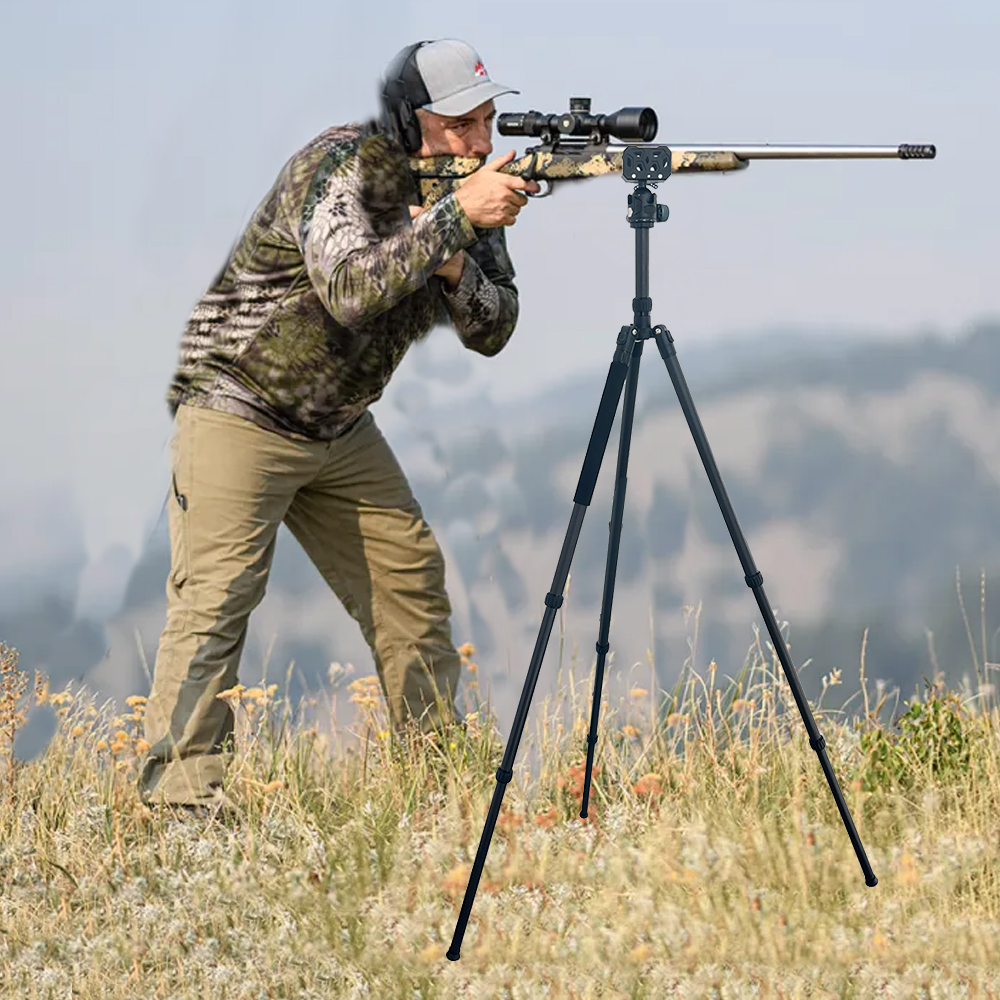
The PRO GUIDE CF-436, at 67 inches, suits most users, while the MARK 5 CF-455, reaching 74 inches, accommodates taller hunters or shooters.
Minimum Height for Prone Positions
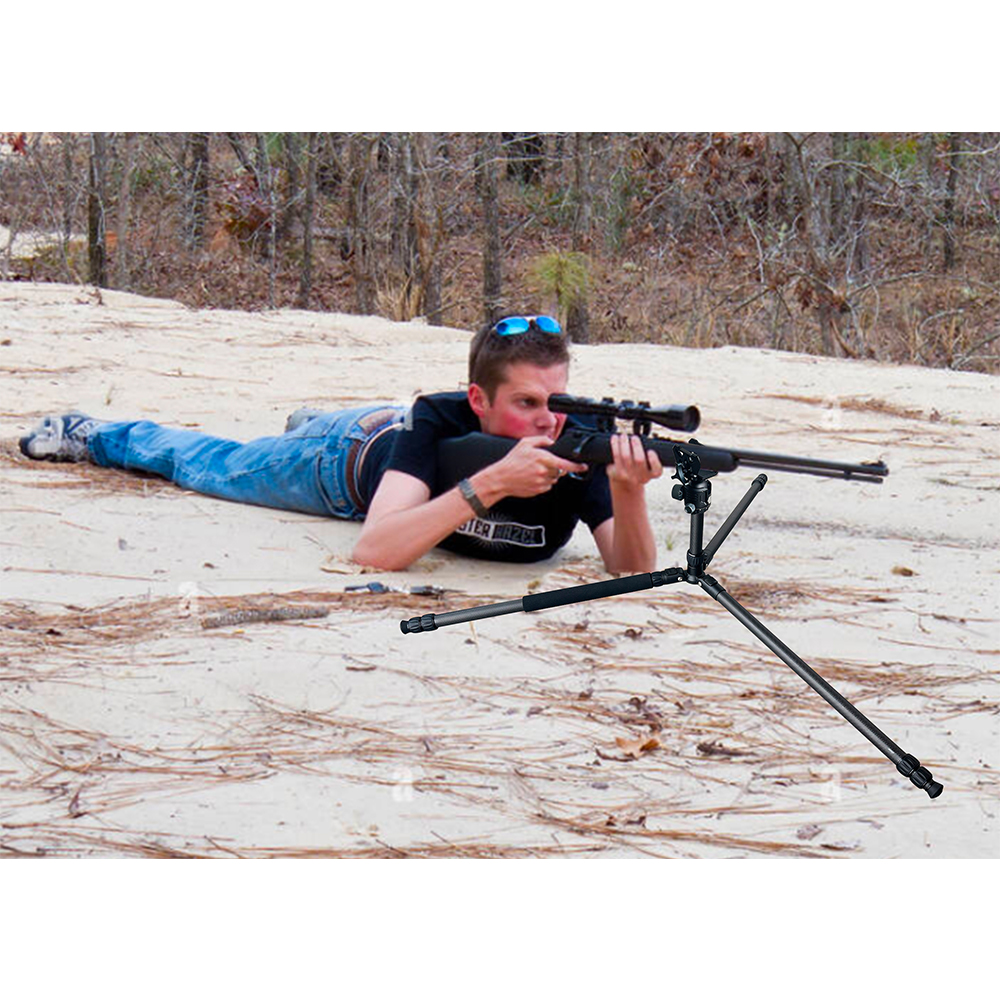
Prone shooting demands a tripod that can get very low to the ground. A low minimum height provides maximum stability for precise shots from a prone position. The Vortex Radian Carbon Fiber Tripod, for example, offers a minimum height of 7.8 inches, which works well for prone shooting. Generally, tripods between 10 and 20 inches in minimum height meet the requirements for stable prone shooting positions.
Leg Section Design and Locking Mechanisms
The design of a tripod’s leg sections and its locking mechanisms directly impacts its stability and ease of use. Most carbon fiber tripods feature multiple leg sections, allowing for compact storage and extended height. Twist locks and lever locks are the two primary types of locking mechanisms. Twist locks often provide a more compact profile and are less prone to snagging. Lever locks, however, offer quicker deployment and visual confirmation of engagement. Hunters should consider the trade-offs between speed, security, and durability when selecting a tripod for field use. Robust locking mechanisms ensure the tripod remains stable under load, even in challenging terrain.
Attachment Methods and Head Types
Hunters need reliable methods to attach their rifles and optics to tripods. The chosen attachment system directly impacts stability and deployment speed in the field.
ARCA-Swiss Compatibility
The ARCA-Swiss system has become a standard for many precision shooting and hunting tripods. Its design offers significant advantages for hunters.
ARCA Swiss rails feature a rectangular, dovetail design. This shape allows for a sliding action, providing variable mounting positions. This offers flexibility and versatility for users needing to balance their gear or optimize weight distribution. ARCA Swiss systems typically use a clamp mechanism for quick attachment or detachment of accessories without needing tools. The ARCA system’s adjustability allows shooters to quickly reposition their rifle along the rail for optimal balance and stability, a significant advantage for precision shooting.
This system’s ease of use and robust nature make it highly popular.
The easy attachment and quick-release mechanism of Arca rails make them ideal for quickly attaching support systems to rifles. The rugged design and ease of use of the Arca-Swiss system offer mobility and stability in one convenient package. What sets the Arca rail apart from other mounting systems is that the design allows for toolless attachment. Everything securely clamps or screws into place. The durable nature of the design allows users to attach and remove accessories repeatedly without the fear of latches or clamps breaking or wearing out. The accessories are firmly in place, giving unmatched stability compared to traditional mounts.
Rifle Clamp Systems and Saddle Sticks
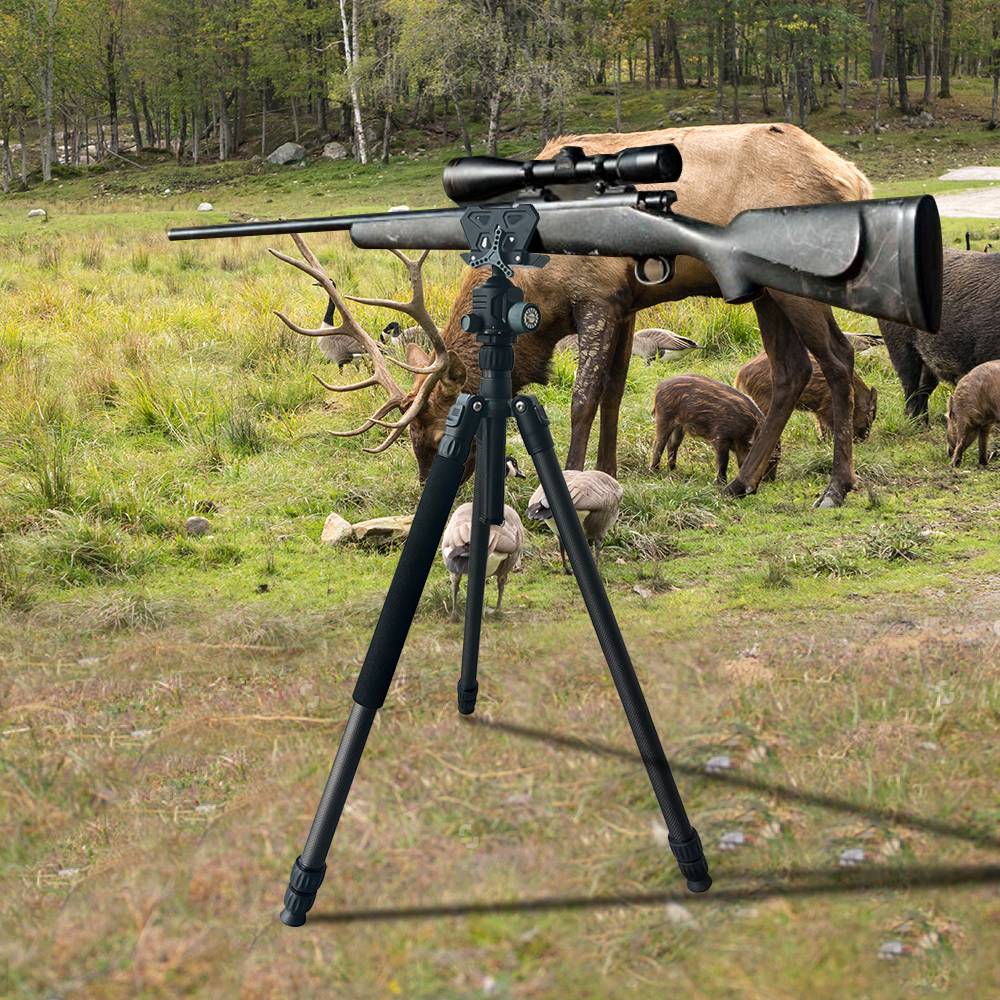
Beyond direct ARCA-Swiss rail attachment, various rifle clamp systems provide secure firearm support. These clamps often attach to a tripod head, creating a stable platform. Many hunters prefer a carbon tubes tripod gun clamp saddle stick for its secure grip and adaptability.
Common rifle clamp systems include:
- Picatinny / Arca Swiss Adapter Clamp
- Shooting Saddle with Direct Arca Mount
- Reaper Grip with Direct Mount Adapter
- M-LOK Rail Arca-Swiss Ball Head / Tripod Adapter Mount
- Picatinny Rail to Arca-Swiss Mount
- KeyMOD Rail Mount Arca-Swiss / 1/4 – 20 Plate
These options allow hunters to choose the best fit for their rifle’s rail system. A robust carbon tubes tripod gun clamp saddle stick ensures the rifle remains steady for precise shots.
Proprietary Attachment Solutions
Some tripod and rifle manufacturers develop their own unique attachment systems. These proprietary solutions often integrate seamlessly with their specific product lines. They can offer enhanced stability or specialized features tailored to their ecosystem. However, these systems may limit cross-compatibility with other brands. Hunters should consider their existing gear and future needs when evaluating proprietary attachment methods. A versatile carbon tubes tripod gun clamp saddle stick often provides broader compatibility.
Ball Heads vs. Pan-Tilt Heads
Hunters often face a critical decision when selecting a tripod head: choosing between a ball head and a pan-tilt head. Each type offers distinct advantages for different hunting scenarios. Understanding these differences helps hunters optimize their setup for stability and quick target acquisition.
Ball heads provide fluid, multi-directional movement. They allow for faster adjustments, which is crucial for quick target acquisition in dynamic hunting situations. A single locking knob typically controls all movement, making operation simpler. Ball heads are generally lighter and more compact. This makes them a preferred choice for hunters prioritizing portability and speed, especially on uneven terrain. However, they offer less precision for single-axis adjustments.
Pan-tilt heads, conversely, provide precise, independent axis control. They feature separate levers or knobs for horizontal (pan) and vertical (tilt) movements. This design allows for highly precise adjustments, making them ideal for tracking moving targets or for video applications where smooth, controlled movements are essential. While pan-tilt heads are slower for adjustments and can be heavier and bulkier, their controlled movement offers superior precision.
The table below summarizes the key differences between these two head types:
| Feature | Ball Head | Pan-Tilt Head |
|---|---|---|
| Adjustability | Offers fluid, multi-directional movement | Provides precise, independent axis control |
| Speed | Faster for quick adjustments | Slower for adjustments, but more controlled |
| Precision | Less precise for single-axis adjustments | Highly precise for horizontal/vertical pans |
| Complexity | Simpler operation, single locking knob | More complex, multiple levers/knobs |
| Weight/Bulk | Generally lighter and more compact | Can be heavier and bulkier |
| Hunting Use | Good for fast target acquisition, uneven terrain | Ideal for tracking moving targets, video |
Hunters should consider their primary use case. A ball head suits those needing rapid adjustments and a lightweight setup. A pan-tilt head benefits hunters requiring meticulous control for tracking or filming.
Ease of Adjustment and Deployment
Hunters require tripods that adjust quickly and deploy effortlessly. These features ensure they can adapt to changing field conditions and secure a shot without delay.
Quick-Release Plate Systems
Quick-release plate systems significantly enhance a tripod’s deployment speed. These systems allow hunters to rapidly attach or detach their rifles or optics from the tripod. This saves critical time when a target appears unexpectedly. Hunters simply slide the plate into the tripod head, and a locking mechanism secures it instantly. This efficient design minimizes fumbling with screws or clamps, ensuring readiness in fast-paced hunting scenarios.
Intuitive Leg Angle Adjustments
Tripods must adapt to varied terrain. Intuitive leg angle adjustments allow hunters to quickly position the tripod on uneven ground or for different shooting stances. Many carbon fiber tripods offer multiple fixed leg angle settings.
| Tripod Model | Leg Angle Adjustments (degrees) |
|---|---|
| Really Right Stuff Ascent Series | 23, 55, 85 |
| Leofoto LS-324C | 23, 55, 85 |
| Feisol CT-3442 | 25, 50, 75 |
| Feisol CT-3472LV | 22, 55, 80 |
These distinct angles provide stability for low prone shots or high standing positions. Hunters can quickly select the appropriate angle, ensuring a stable platform for their equipment. This versatility is crucial for successful hunting in diverse environments.
Smooth Head Operation
Smooth head operation is vital for precise aiming and tracking. Hunters need to make fine adjustments without jerky movements. Carbon fiber tripods often incorporate features that ensure fluid control. These include separate head tension adjustments and pan locks. They allow for perfect settings. A unique heavy recoil-resistant precision aluminum alloy transition assembly also reinforces critical stress areas. This design enhances stability. Furthermore, a stability-enhancing column hook, located at the bottom of the center axis shaft, allows hunters to hang additional weight. This increases stability by lowering the tripod’s center of gravity. These elements combine to provide hunters with unparalleled control and accuracy.
Versatility Beyond Rifle Support
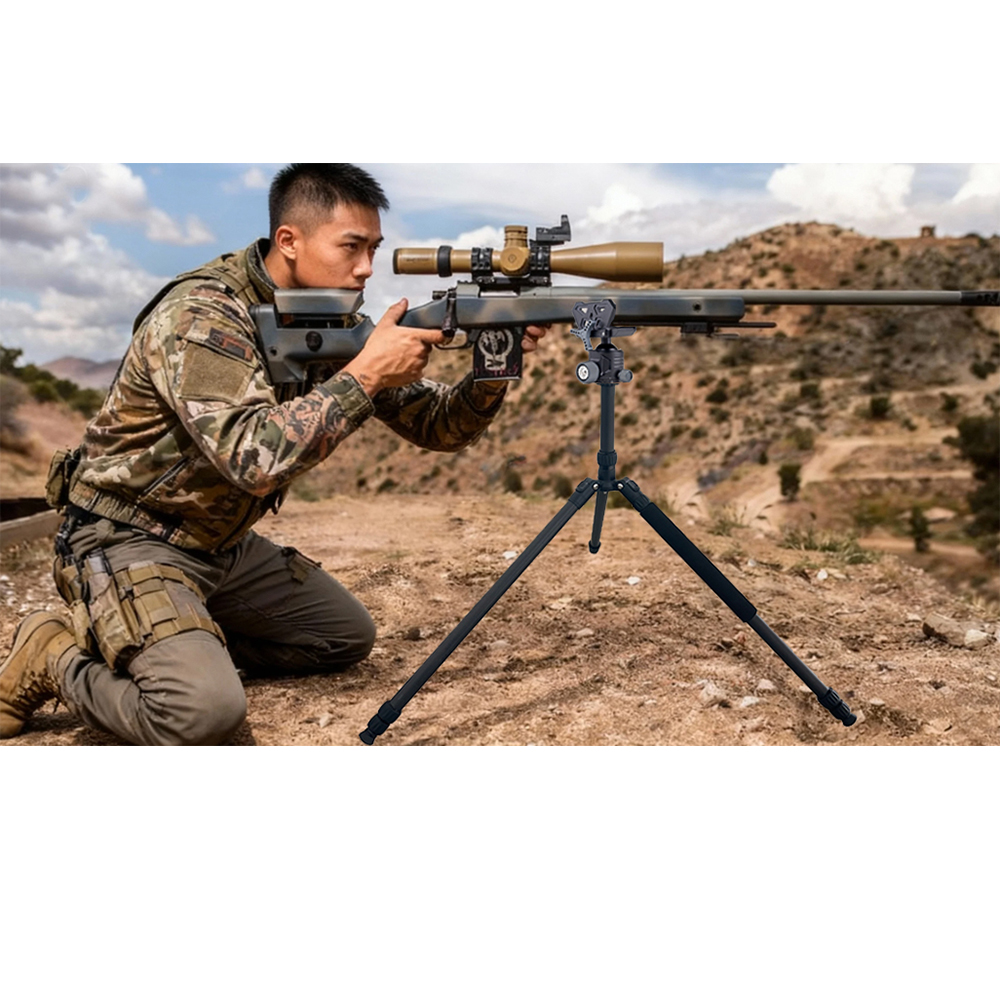
Carbon fiber tripods offer hunters more than just stable rifle support. Their robust design and adaptability extend their utility to various other essential field applications. This versatility makes them a valuable investment for any outdoor enthusiast.
Spotting Scope and Binocular Use
Hunters frequently use carbon fiber tripods to support spotting scopes and binoculars. This provides a steady platform for extended glassing sessions. It reduces arm fatigue and allows for clearer, more detailed observation of distant game. Specific adapters facilitate this use. Hunters can utilize a Binocular Tripod Adapter, a Heavy Duty Optics Adapter, or a Light Duty Optics Adapter. These accessories ensure a secure mount for various optical devices. Spotting scope tripods are purpose-built to hold spotting scopes, binoculars, and rifles. Compatible adapters for these tripods include the Classic Arca Adapter, Classic Guide Adapter, Classic Gunsmith Adapters, and Classic KeyMod Adapter.
Camera and Filming Applications
Modern hunting often involves documenting the experience. Carbon fiber tripods excel in camera and filming applications. Their inherent stability and vibration-dampening properties ensure crisp photos and smooth video footage. Hunters can mount cameras to capture wildlife, record hunts, or document their outdoor adventures. The tripod’s sturdy construction minimizes camera shake, even in windy conditions. This allows for professional-quality media creation in the field.
Multi-Purpose Accessories
The utility of carbon fiber tripods further expands with multi-purpose accessories. Many tripods feature universal mounting points or modular designs. These allow hunters to attach various tools. Examples include phone mounts for navigation or quick photo opportunities. Hunters can also add small lighting units for low-light situations. Some systems even support specialized tools for field dressing or gear maintenance. This adaptability transforms a simple rifle support into a comprehensive field workstation.
Choosing the Best Carbon Tubes Tripod
Selecting the ideal carbon fiber hunting tripod requires careful consideration of specific models and their features. Hunters need a tool that performs reliably in demanding conditions. The best tripods combine advanced materials with thoughtful design, ensuring stability and ease of use in the field.
Top Models for 2025
Several carbon fiber tripods stand out for their performance and suitability for hunting in 2025. These models offer a range of features catering to different hunting styles and preferences.
| Tripod | Material | Weight (lbs) | Supported Shooting Height(s) (in) | Length (Fully Compact) (in) |
|---|---|---|---|---|
| BOG DeathGrip | Carbon Fiber | 9 | 7-59 | 31 |
| Vortex Summit Carbon II | Carbon Fiber | 2.5 | 6.3-53.3 | 18.1 |
| Leupold Pro Guide CF-436 | Carbon Fiber | 4 | 6.7-67 | 18.5 |
| Leofoto Tripod | Carbon Fiber | 2.47 | 7.09-43.3 | 14.56 |
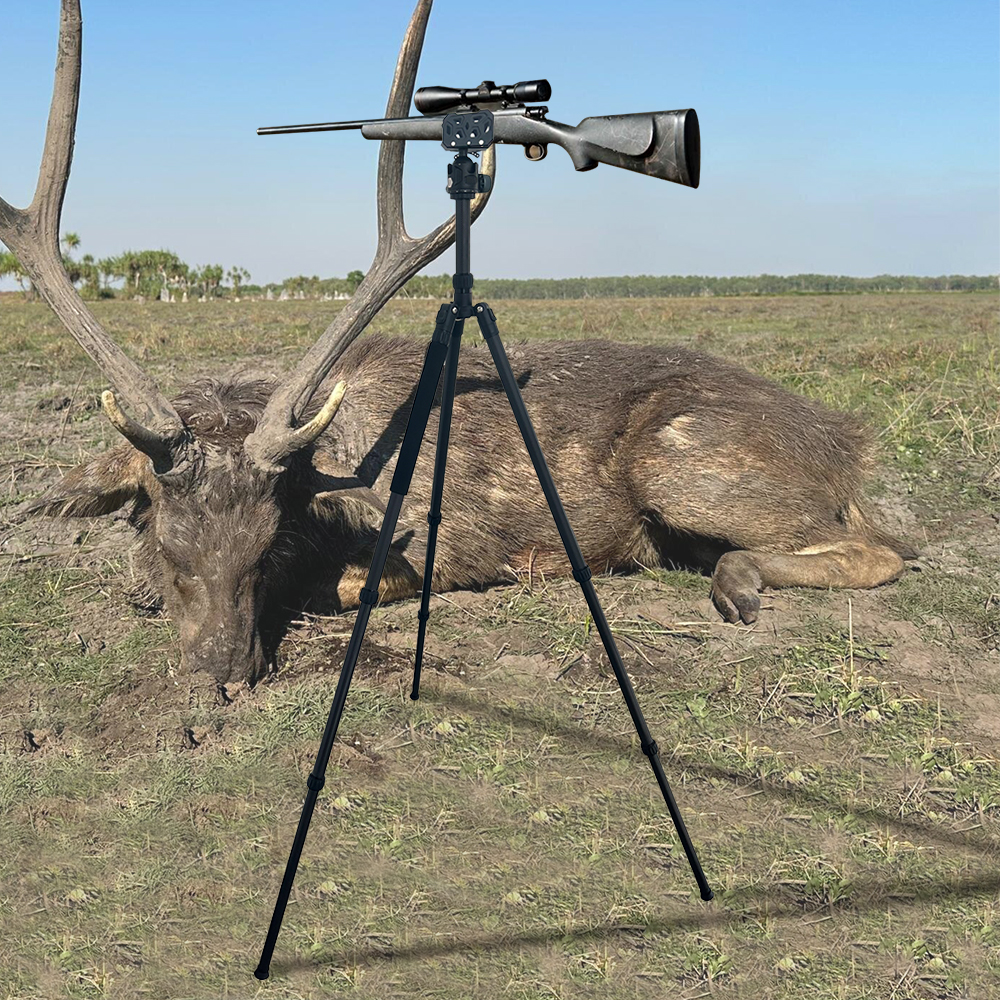
Among the top contenders, the BOG DeathGrip is recognized for its overall performance. It offers superior stability, adjustability, and convenience. This tripod features robust carbon legs and a clamping base for secure weapon holding. The Vortex Summit Carbon II earns praise for its lightweight design, weighing only 2.5 pounds. Its carbon fiber twist-lock legs and Arca-Swiss compatibility make it ideal for backpackers and backcountry hunters. The Leupold Pro Guide CF-436 is a top choice for hunting due to its rugged yet nimble carbon fiber legs. It supports up to 40 pounds, providing excellent stability for optics. The Leofoto Tripod, also made of carbon fiber, is known for its high quality. It originates from the video and photography industry and is highly suitable for rifle shooting. Many of these top models integrate a robust carbon tubes tripod gun clamp saddle stick, ensuring a secure and stable platform for precision shots.
Key Features of Recommended Tripods
High-performance carbon fiber hunting tripods differentiate themselves from standard models through several key features. These attributes contribute to optimal performance in demanding hunting and competition scenarios.
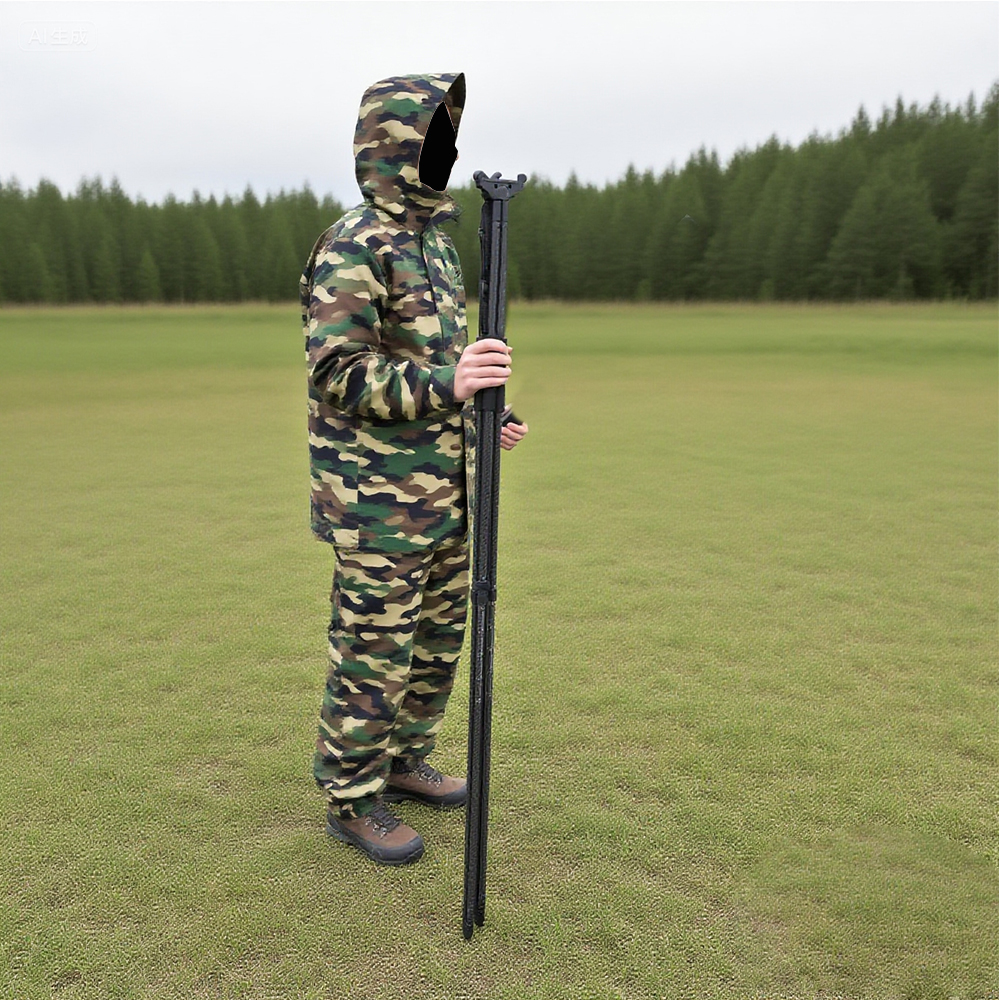
First, lightweight portability is paramount. Carbon fiber tripods are significantly easier to transport, especially during extended outdoor activities. This is achieved through 3-section carbon fiber legs, making them easy to carry for long periods. An ultra-compact carry footprint allows use in tight spaces while offering versatile shooting positions. For example, a tripod might extend up to 58 inches but collapse to 27.5 inches for easy transport.
Second, rock-solid stability and superior vibration dampening are crucial. These features reduce camera shake, leading to more stable and clearer shots. They ensure steady shots even with heavy rifles and optics, and in rough terrain. The lightweight, rugged carbon fiber construction provides maximum strength and vibration reduction without adding weight. An ultra-smooth ball head mount offers 360-degree rotation and unlimited tilt for precise aiming. Integrated bubble levels aid in setting up a perfectly level shot.
Third, reliability, speed, and strength are essential. Lightning-fast deployment is enabled by quick-deploy twist locks, crucial for fast-moving situations. Non-slip lever locks offer easy and secure height adjustment. A clamp-on design provides compatibility with both crossbows and firearms. Many hunters prefer a versatile carbon tubes tripod gun clamp saddle stick for its quick and secure attachment.
Finally, weather resistance and versatile performance enhance a tripod’s utility. Carbon fiber resists corrosion and rust, making it suitable for various environmental conditions. This adaptability allows for diverse uses like hunting coyotes, using thermal optics, or long-range shooting. A built-in rubber snubber keeps legs cinched for compact and quiet carry. These features collectively define a high-quality carbon tubes tripod gun clamp saddle stick, making it an indispensable tool for serious hunters.
Price, Value, and Warranty
Budgeting for Quality
Hunters often consider the initial cost of a carbon fiber tripod. These tripods typically carry a higher price tag than aluminum models. However, hunters should view this as an investment in quality gear. The superior performance, durability, and lighter weight of carbon fiber justify the expense. A higher upfront cost often translates into better stability, easier portability, and a more reliable tool in the field. Hunters prioritize precision and stealth; a quality tripod directly contributes to both.
Long-Term Investment
A carbon fiber tripod represents a significant long-term investment for hunters. These tripods are the gold standard for professionals due to their lightweight yet sturdy nature. They also resist corrosion effectively. With proper maintenance, a carbon fiber tripod can last for many years without showing significant wear. It can potentially last a lifetime. A well-maintained carbon fiber tripod will significantly outlast an aluminum tripod. This longevity means hunters avoid frequent replacements, saving money over time.
Manufacturer Support and Warranty
Reputable manufacturers stand behind their carbon fiber tripods with strong support and warranties. Really Right Stuff (RRS) provides a standard five-year warranty for its Field Grade items, including the Versa-33 Heavy Duty Carbon Fiber Tripod. This warranty protects the investment and ensures long-term reliability and customer satisfaction. FEISOL offers a three-year warranty. During this period, if damage occurs due to manufacturing or parts defects, the user is responsible only for return shipping costs. Top brands also provide comprehensive customer support services. These services often include contact options, repair parts, service and repair information, shipping details, user manuals, warranty specifics, and return policies. This robust support system gives hunters confidence in their purchase.
Carbon fiber tripods offer hunters superior stability, portability, and durability. Key factors for selection include the tripod’s weight, adjustment range, and attachment compatibility. Hunters should prioritize models with robust locking mechanisms and versatile head types. An informed purchase in 2025 means considering long-term value and manufacturer support. These tripods provide a critical advantage in the field. They ensure precision and reliability for every shot.
FAQ
Why should hunters choose a carbon fiber tripod over an aluminum one?
Hunters choose carbon fiber tripods for their superior stability-to-weight ratio. Carbon fiber models weigh less, reducing fatigue during long treks. They also offer better vibration dampening, which leads to more accurate shots. Carbon fiber resists corrosion, ensuring durability in harsh outdoor conditions.
What does ARCA-Swiss compatibility mean for a hunting tripod?
ARCA-Swiss compatibility provides a standardized, tool-less attachment system. This allows hunters to quickly and securely mount or detach rifles and optics. The system’s design offers flexibility, letting users slide gear for optimal balance. It ensures robust stability for precision shooting.
Which tripod head type is better for hunting: ball head or pan-tilt head?
The better head type depends on the hunting scenario.
- Ball heads offer faster, multi-directional adjustments, ideal for quick target acquisition.
- Pan-tilt heads provide precise, independent axis control, suitable for tracking moving targets or filming.
Hunters prioritize speed often choose ball heads.
Are carbon fiber hunting tripods a good long-term investment?
Yes, carbon fiber tripods represent an excellent long-term investment. Their exceptional durability and corrosion resistance mean they last for many years. This longevity reduces the need for frequent replacements. Quality carbon fiber tripods provide reliable performance season after season, justifying their initial cost.
Post time: Dec-24-2025