## Introduction

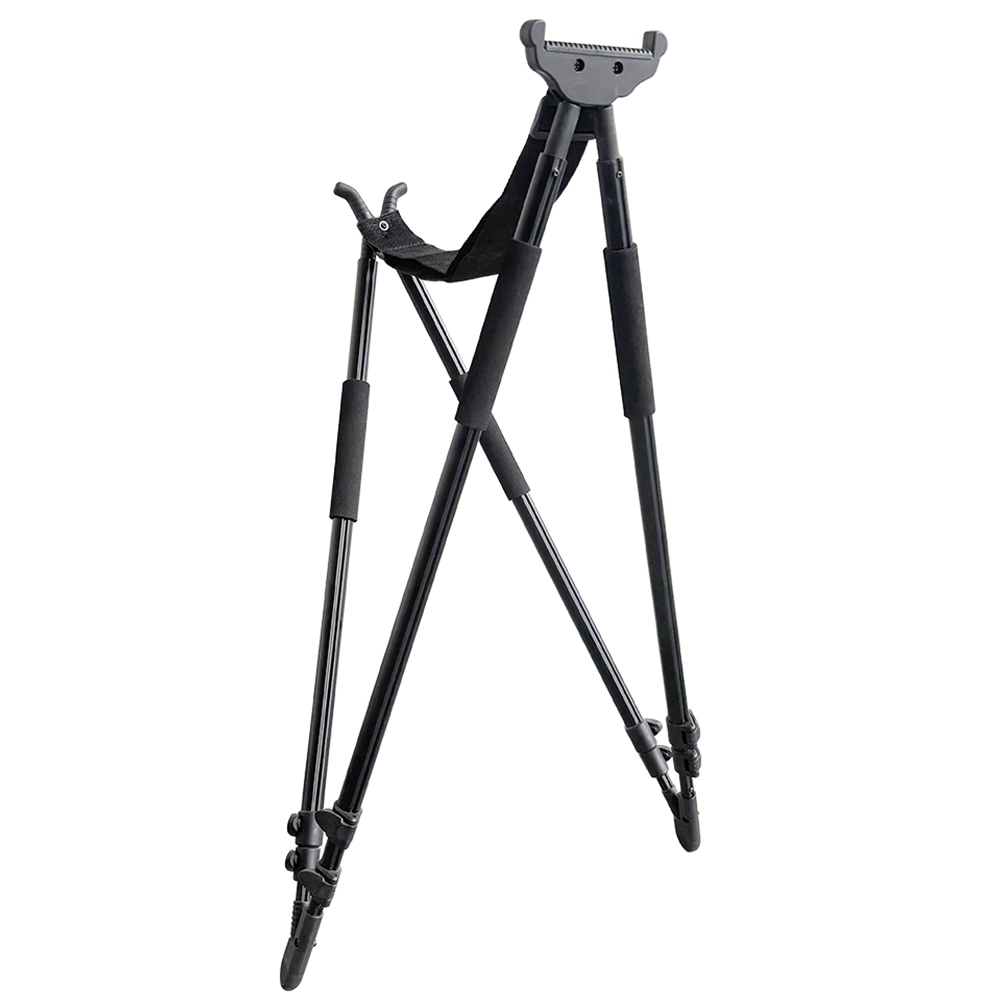
Aluminum hunting shooting 4 legged sticks offer hunters maximum stability, versatility across varied terrains, and a lightweight, durable support system. They present an excellent choice for improving shot accuracy. This comprehensive guide assists hunters in determining if these sticks align with their specific hunting style. It also provides essential information for selecting the best model.
Key Takeaways
- Aluminum 4-legged shooting sticks give hunters great stability. They help hunters shoot more accurately.
- These sticks work well on many types of land. Hunters can adjust them for hills or flat ground.
- The sticks are light and strong. Hunters can carry them easily and they last a long time.
- Hunters can set up these sticks very fast. They can also change the height quickly for different shooting positions.
Why Consider Aluminum Hunting Shooting 4 Legged Sticks for Your Style?
Unmatched Stability for Precision Shots
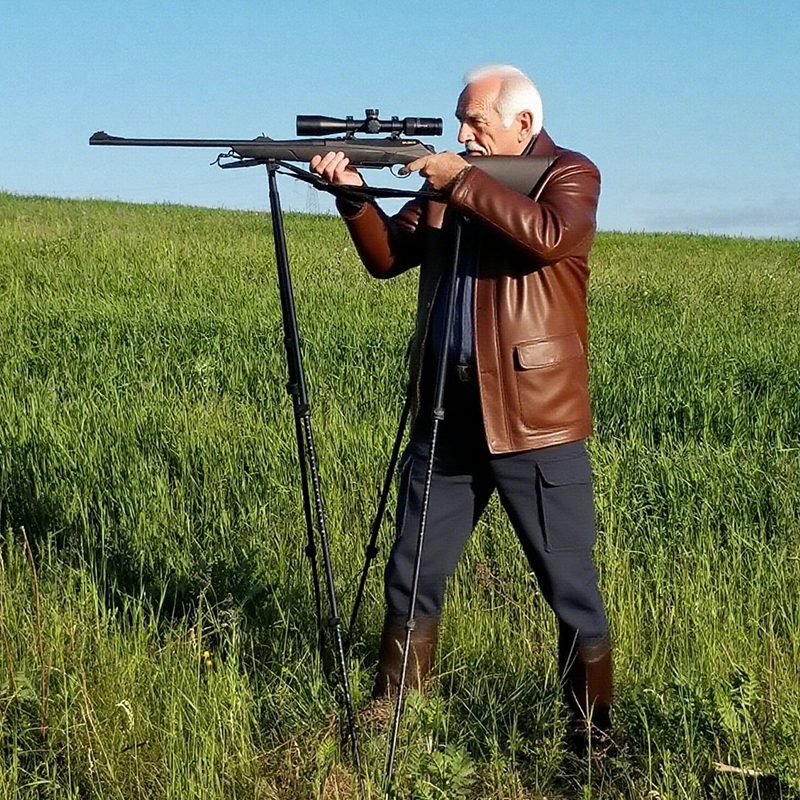
Hunters prioritize shot accuracy. Aluminum hunting shooting 4 legged sticks offer a significant advantage in achieving this goal. Their unique quad-leg design provides four points of contact with the ground. This configuration inherently creates a very steady support for a rifle’s forearm and stock. It delivers bench-rest-like accuracy in field conditions. Furthermore, manufacturers build these sticks with strong, fluted aluminum rods. This construction resists bending or breaking under normal use, further enhancing their stability. Hunters can trust these sticks to provide a solid platform for critical shots.
Versatility Across Diverse Hunting Terrains
Hunting often takes individuals into varied and challenging environments. Aluminum hunting shooting 4 legged sticks excel in these diverse terrains. They adapt seamlessly to uneven ground, steep inclines, and rocky surfaces. Hunters can adjust each leg independently, ensuring a level and stable shooting position regardless of the landscape. This adaptability allows hunters to maintain a consistent and reliable shooting platform, whether they are in dense forests, open plains, or mountainous regions.
Lightweight Durability for Mobile Hunters
Mobile hunters require gear that is both robust and easy to transport. Aluminum hunting shooting 4 legged sticks meet this demand perfectly. Aluminum is a lightweight material, making these sticks easy to carry over long distances without adding significant bulk to a hunter’s pack. Despite their light weight, they boast exceptional durability. They withstand the rigors of outdoor use, including impacts, abrasions, and exposure to various weather conditions. This combination of lightness and strength makes them an ideal choice for hunters who frequently move through their hunting grounds.
Quick Deployment and Adjustability
Hunters often encounter fleeting shot opportunities. Rapid deployment of shooting support becomes critical in these moments. Aluminum hunting shooting 4 legged sticks excel in this regard. Their design allows for swift setup. Hunters can quickly extend the legs and lock them into position. This speed ensures they do not miss a chance at their target.
The adjustability of these sticks further enhances their utility. Each leg typically features independent locking mechanisms. This allows hunters to fine-tune the height of the shooting platform. They can adapt the stick to various shooting positions:
- Prone: Low to the ground for maximum stability.
- Kneeling: A mid-range height for cover.
- Sitting: Comfortable for longer waits.
- Standing: Ideal for clearing brush or seeing over terrain.
Hunters adjust the height with simple, intuitive actions. Many models use quick-release levers or twist locks. These mechanisms provide secure locking. They also permit silent adjustments in the field. This quiet operation prevents spooking game. The ability to quickly change height and angle makes these sticks highly adaptable. Hunters maintain a stable shooting platform regardless of their body position or the terrain’s demands. This combination of speed and flexibility makes them an invaluable tool for dynamic hunting scenarios.
Matching Aluminum Hunting Shooting 4 Legged Sticks to Your Hunting Style
Hunters possess diverse methods and preferences. Selecting the right gear often depends on individual hunting styles. Aluminum hunting shooting 4 legged sticks offer specific advantages for various approaches. Understanding these benefits helps hunters choose the most suitable model.
For the Stalking Hunter: Portability and Silent Operation
Stalking hunters prioritize stealth and mobility. They need equipment that does not impede their movement or create noise. Aluminum hunting shooting 4 legged sticks offer significant advantages for this hunting style. These sticks are remarkably light. Some models weigh only 2.4 lbs. This minimal weight ensures hunters can carry them for extended periods without fatigue. Their compact design also aids portability. Many models measure just over 30 inches when closed. This allows for easy attachment to a pack or comfortable carrying by hand. Hunters can also utilize various carrying options. These include a strap that doubles as a carry sling. A nylon carry bag with backpack straps provides another convenient transport method. These features ensure silent movement through the woods. They prevent snagging on brush. The quick deployment mechanism also allows for rapid setup when a shot opportunity arises.
For the Stand/Blind Hunter: Maximum Stability and Height Adjustment
Hunters operating from a stand or blind require unwavering stability. They also need precise height adjustment. Aluminum hunting shooting 4 legged sticks provide an ideal solution. The four-leg design creates an exceptionally stable platform. This stability is crucial for accurate shots from a fixed position. Hunters can adjust the stick to match their specific shooting height. This includes sitting comfortably in a blind or standing in a tree stand. The independent leg adjustments allow for leveling on uneven platforms. This ensures a consistent and steady aim. This adaptability maximizes comfort and accuracy during long waits.
For the Mountain/Backcountry Hunter: Durability and All-Weather Performance
Mountain and backcountry hunters face extreme conditions. They demand gear that withstands rugged environments. Aluminum hunting shooting 4 legged sticks excel in durability and all-weather performance. Aluminum construction resists corrosion and impact. This makes the sticks reliable in harsh mountain terrains. They perform consistently in rain, snow, or extreme temperatures. Their robust build ensures they endure rough handling. Hunters can depend on these sticks for support on steep inclines. They also provide a stable shooting platform in high winds. This resilience makes them an essential tool for challenging expeditions.
For the Long-Range Shooter: Precision and Micro-Adjustments
Long-range shooting demands unparalleled precision. Every millimeter of movement at the shooting platform translates to significant deviation downrange. Four-legged shooting sticks provide the stability necessary for these demanding shots. Their design minimizes wobble and movement. This allows shooters to maintain a steady aim on distant targets.
Shooters benefit from the fine-tuning capabilities of these sticks. Many models feature independent leg adjustments. This allows for precise leveling on uneven terrain. Some advanced sticks incorporate micro-adjustment mechanisms. These systems enable minute changes in elevation and traverse. Shooters can make small, controlled adjustments to their point of aim. This capability is crucial for compensating for wind, bullet drop, and target movement.
The robust construction of these sticks further enhances precision. They resist flexing under the weight of heavy rifles. This rigidity ensures a consistent shooting platform. Shooters can confidently hold their aim for extended periods. This stability is vital when waiting for the perfect shot opportunity. The solid support reduces shooter fatigue. It also improves focus on breath control and trigger squeeze.
Many long-range shooters also appreciate the integrated features. Some sticks include bubble levels. These levels help ensure a perfectly horizontal shooting platform. A level platform prevents canting errors. Canting errors can cause significant bullet impact shifts at long distances. The adaptable yoke design also allows for smooth rifle rotation. Shooters can track moving targets without disturbing their stable base. This combination of stability, micro-adjustments, and integrated features makes four-legged sticks an invaluable tool for long-range accuracy.
Key Features to Evaluate When Choosing Your Aluminum Hunting Shooting 4 Legged Sticks
Hunters must carefully consider several key features when selecting aluminum hunting shooting 4 legged sticks. These features directly impact performance, stability, and user experience in the field. Evaluating each aspect ensures the chosen stick meets specific hunting demands.
Height Range and Adjustability
The height range of shooting sticks dictates their versatility across various shooting positions. Hunters need a stick that adjusts from a low prone position to a full standing height. A wide height range allows adaptation to different terrains and cover. For instance, a stick that extends from 20 inches to 65 inches accommodates most scenarios.
Adjustability refers to the ease and speed of changing the stick’s height. Quick-release levers or twist-lock mechanisms offer rapid adjustments. Hunters often encounter fleeting shot opportunities. Fast height changes become crucial for success. Consider how smoothly the legs extend and retract. Also, evaluate if the adjustments are silent. Noisy adjustments can spook game.
Leg Locking Mechanisms
The leg locking mechanism secures the stick at the desired height. Different types offer varying levels of security, speed, and durability.
- Flip Locks (Lever Locks): These mechanisms use a lever to clamp down on the leg sections. They offer quick adjustments. Hunters can operate them easily, even with gloves. They generally provide a secure lock. However, some models may loosen over time.
- Twist Locks: Shooters twist the leg sections to tighten or loosen them. These locks create a sleek profile. They often resist snagging on brush. Twist locks can be very secure. They may require more effort to operate quickly, especially in cold weather.
- Lever-Cam Locks: These combine aspects of flip locks with a camming action. They offer a very strong lock. They are often found on higher-end models. They provide reliable performance in demanding conditions.
Hunters should test the locking mechanism for ease of use and security. A reliable lock prevents accidental collapse during a critical shot.
Foot Design and Terrain Adaptability
The design of the stick’s feet significantly impacts stability on different surfaces. Effective foot design ensures a solid grip, preventing slippage.
- Rubber Feet: These are common and work well on hard, smooth surfaces like rock or concrete. They offer good grip and prevent scratching.
- Spiked Feet: Spikes provide excellent traction on soft ground, mud, snow, or ice. They dig in for a secure hold. Some sticks feature retractable spikes, offering versatility.
- Pivoting or Articulating Feet: These feet can pivot to conform to uneven terrain. They maintain full contact with the ground, enhancing stability. This design is particularly useful in rugged environments.
Consider the primary hunting terrain. A versatile foot design, such as rubber feet with retractable spikes, offers the best all-around performance. The feet should also be durable. They must withstand repeated contact with abrasive surfaces.
Yoke Type and Rotation
The yoke is the top component of the shooting stick. It cradles the firearm. Its design significantly impacts how hunters position and stabilize their rifle. Most yokes feature a U-shaped or V-shaped design. These shapes securely hold the rifle’s forend or stock. Many yokes come with a rubber or silicone coating. This coating protects the firearm’s finish. It also prevents slippage.
A crucial feature of the yoke is its ability to rotate. A rotating yoke allows hunters to track moving targets without repositioning the entire stick. This smooth rotation is essential for dynamic hunting scenarios. Some yokes offer a full 360-degree rotation. Others provide a more limited range of motion. Hunters should consider their typical shooting situations. They can then choose a yoke with appropriate rotational capabilities. Some models also feature an interchangeable yoke system. This allows hunters to swap out the standard yoke for a camera mount or spotting scope adapter. This versatility adds to the stick’s overall utility.
Weight and Folded Length
The weight and folded length of shooting sticks directly influence their portability. Hunters often carry their gear over long distances. Therefore, minimizing weight is a significant consideration. Aluminum construction inherently offers a lightweight solution. Most aluminum shooting sticks weigh between 1.5 and 3 pounds. This light weight reduces fatigue during extended treks. It also makes the stick easy to handle quickly.
The folded length determines how easily hunters can transport and store the stick. A shorter folded length allows the stick to attach more compactly to a backpack. It also fits better inside a vehicle or gear bag. Some models feature multiple leg sections. These sections collapse into a very compact size. Hunters who prioritize stealth and mobility often prefer a shorter folded length. They can carry the stick without it snagging on brush or becoming cumbersome. A balance between stability when extended and compactness when folded is key. Hunters must assess their specific carrying needs. They can then select a stick that offers optimal portability for their hunting style.
Advanced Considerations for Optimal Performance with Aluminum Hunting Shooting 4 Legged Sticks
Integrated Accessories and Attachments
Hunters often seek versatility from their gear. Many shooting sticks offer integrated accessories or attachment points. These features expand the stick’s utility beyond just rifle support. Some models include a 1/4″ threaded mount. This mount allows hunters to attach a camera. They can also use it for a spotting scope. For example, the Fiery Deer DX-004-GEN3 hunting tripod features a 1/4″ threaded mount. This enables its use for outdoor photography. Such adaptability means hunters carry less specialized equipment. They can quickly switch between supporting a firearm and capturing images or glassing distant terrain. Hunters should consider these additional functionalities. They add significant value to the shooting stick.
Material Quality and Finish
The quality of materials directly impacts a shooting stick’s longevity and performance. High-grade aluminum alloys offer an excellent strength-to-weight ratio. This ensures durability without excessive bulk. Manufacturers often apply a protective finish to the aluminum. An anodized finish resists corrosion and abrasion. It also reduces glare, which is crucial for stealth. A matte finish prevents reflections that could spook game. Hunters should inspect the quality of all components. This includes the leg sections, locking mechanisms, and yoke. Superior material quality ensures the stick withstands harsh outdoor conditions. It also provides reliable service for many hunting seasons.
Ergonomics and User Comfort
Comfort and ease of use are vital for effective field performance. An ergonomically designed shooting stick reduces fatigue. It also enhances a hunter’s ability to make precise shots. Grips should offer a secure and comfortable hold. Many sticks feature foam or rubber grips. These materials provide insulation in cold weather. They also absorb shock. The overall design should allow for natural body positioning. This minimizes strain during extended use. Hunters should evaluate how easily they can deploy and adjust the stick. Smooth operation contributes to a more enjoyable and successful hunting experience.
Brand Reputation and Warranty
A brand’s reputation often reflects the quality and reliability of its products. Established manufacturers typically invest more in research, development, and rigorous testing. They build a reputation for producing durable and effective hunting gear. Hunters benefit from choosing brands with a proven track record. These companies often provide superior customer service and stand behind their products. A strong brand reputation gives buyers confidence in their purchase. It suggests the product will perform as expected in the field.
A comprehensive warranty offers crucial protection for your investment. Manufacturers who offer generous warranties demonstrate confidence in their product’s construction and materials. A good warranty covers defects in materials and workmanship. It ensures the company will repair or replace the item if it fails under normal use. Hunters should carefully review the warranty terms before purchasing. Understand the duration of coverage and what the warranty specifically includes. Some warranties cover the product for a lifetime. Others offer coverage for a specific number of years.
Researching brand reviews and customer feedback provides valuable insights. Other hunters’ experiences can highlight a product’s strengths and weaknesses. This research helps identify brands known for reliability and excellent post-purchase support. Choosing a reputable brand with a solid warranty minimizes potential issues. It ensures hunters receive a high-quality product that performs reliably for many seasons. This careful consideration leads to a more satisfying and secure hunting experience.
Setting Up and Using Your Aluminum Hunting Shooting 4 Legged Sticks Effectively
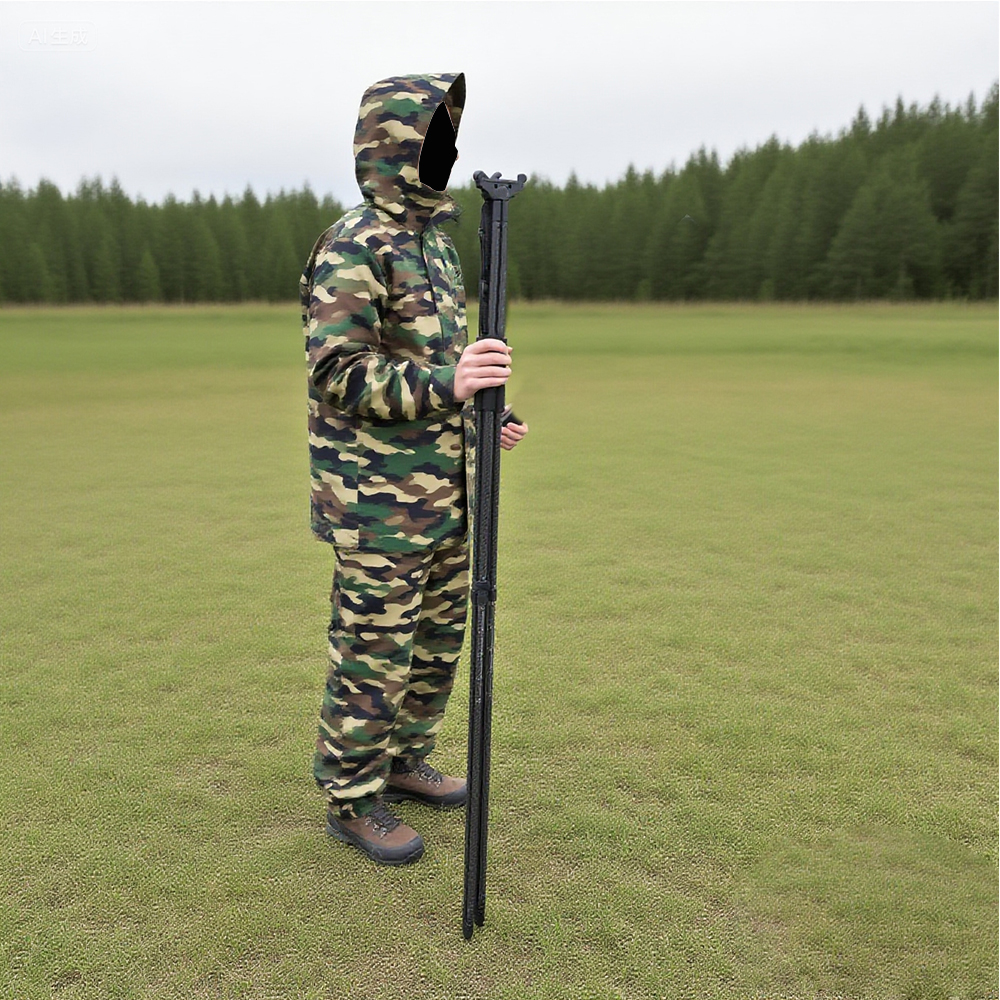
Hunters maximize the benefits of their shooting sticks through proper setup and usage. Effective techniques enhance stability and shot accuracy. Regular maintenance also ensures the stick’s longevity.
Mastering Quick Deployment Techniques
Hunters often face time-sensitive shot opportunities. Mastering quick deployment of a shooting stick is crucial. Practice deploying the stick from its folded position. Many sticks feature quick-release leg locks. Hunters can pre-set the leg lengths for common shooting positions. This allows for rapid extension to a standing, kneeling, or sitting height. They should practice extending all four legs simultaneously. This creates a stable base quickly. Silent operation is also important. Hunters must ensure all adjustments occur without unnecessary noise. This prevents spooking game.
Achieving Stable Shooting Positions
A stable shooting platform is essential for accuracy. Hunters achieve this by correctly positioning their shooting stick and body. They should spread the legs of the stick wide enough. This creates a broad, stable footprint. Each leg should have firm contact with the ground. On uneven terrain, hunters adjust individual leg lengths. This levels the shooting platform. They place the rifle’s forend securely in the yoke. Hunters apply slight forward pressure on the rifle. This “loads” the bipod or stick. This technique minimizes recoil jump and improves consistency. They also maintain a relaxed, natural body position behind the rifle.
Maintenance and Care for Longevity
Proper maintenance extends the life of any hunting gear. Hunters should clean their shooting stick after each use. They wipe down the legs to remove dirt, mud, and moisture. Pay special attention to the locking mechanisms. Dirt or debris can impair their function. Hunters should inspect all screws and joints periodically. They tighten any loose components. Lubricate moving parts, such as leg locks, with a dry lubricant if necessary. Store the stick in a dry environment. This prevents corrosion. Regular care ensures the stick remains reliable for many hunting seasons.
Practice Drills for Field Proficiency
Hunters must regularly practice with their shooting sticks to achieve true field proficiency. Consistent drills build muscle memory and confidence. These exercises prepare hunters for real-world scenarios. They ensure quick, accurate shots when opportunities arise.
One effective drill involves timed deployment. Hunters start with the stick folded. They then quickly deploy it and assume a stable shooting position. They aim at a target. This drill improves speed and efficiency. Hunters can vary the starting position, such as from a backpack or carried in hand.
Another crucial drill focuses on positional shooting. Hunters practice shooting from prone, kneeling, sitting, and standing positions. They adjust the stick’s height for each stance. This drill ensures adaptability to different terrain and cover. It also helps hunters find their most stable shooting posture for each position.
Hunters should also practice on uneven terrain. They set up the stick on slopes, rocky ground, or through brush. This forces them to adjust individual leg lengths. It teaches them to find stability in challenging environments. This drill mimics actual hunting conditions.
A target transition drill enhances readiness. Hunters set up multiple targets at varying distances or angles. They quickly acquire each target. They then adjust their aim and take a shot. This drill improves target acquisition speed and smooth transitions.
Finally, hunters can practice in low-light conditions. They simulate dawn or dusk scenarios. This prepares them for common hunting times. It helps them manage their gear effectively when visibility is reduced. Regular practice with these drills makes the shooting stick an intuitive extension of the hunter’s gear.
Comparing Aluminum Hunting Shooting 4 Legged Sticks to Other Supports
Hunters have various support options for their firearms. Each type offers distinct advantages. Understanding these differences helps hunters choose the best tool for their specific needs.
4-Legged Sticks vs. Bipods
Bipods attach directly to a rifle. They provide two points of contact with the ground. This offers good stability for prone or bench shooting. However, bipods limit height adjustment. They often struggle on uneven terrain. Hunters must frequently adjust their body position to match the bipod’s fixed height. In contrast, 4-legged sticks offer four points of ground contact. This creates superior stability across diverse landscapes. They provide a wider range of height adjustments. Hunters can easily transition from prone to standing positions. This versatility makes 4-legged sticks more adaptable in dynamic hunting scenarios.
4-Legged Sticks vs. Tripods
Tripods offer exceptional stability. They typically feature three legs and a robust head. Many tripods support heavy optics or cameras in addition to rifles. However, tripods are often heavier and bulkier than 4-legged sticks. Their deployment can also take more time. This makes them less ideal for fast-paced hunting. Four-legged sticks provide a strong balance. They offer stability comparable to many tripods. Yet, they remain lighter and deploy more quickly. This makes them a practical choice for mobile hunters needing reliable support.
When a 4-Legged Stick Excels
An aluminum hunting shooting 4 legged stick excels in situations demanding both stability and versatility. They are ideal for hunters who navigate varied terrain. These sticks provide a rock-solid platform for precision shots from any position. Their quick deployment benefits hunters facing fleeting shot opportunities. Mobile hunters appreciate their lightweight design. Long-range shooters gain from the enhanced stability for critical accuracy. When hunters need a reliable, adaptable, and relatively portable shooting rest, 4-legged sticks often prove superior.
Top Tips for Maximizing Your Aluminum Hunting Shooting 4 Legged Sticks
Proper Carrying Techniques
Hunters optimize their mobility and readiness by employing effective carrying methods for their shooting sticks. They can utilize a strap that functions as a carry sling over the shoulder. This keeps the stick accessible yet out of the way, allowing for unhindered movement through brush or dense cover. Alternatively, hunters store their sticks in a nylon carry bag equipped with backpack straps. This method distributes weight evenly across the back, freeing their hands for other gear or for navigating difficult terrain. Proper carrying ensures quick access when a shot opportunity arises, minimizing the time spent fumbling with equipment. It also prevents the stick from snagging on vegetation, which could alert game.
Adjusting for Different Shooting Positions
Hunters quickly adapt their shooting sticks to various positions, including prone, kneeling, sitting, or standing. This adaptability is crucial for responding to dynamic field conditions. Many sticks feature 8 lever-style clamps. Hunters quickly flick these open and closed to adjust height within seconds, allowing for rapid transitions between shooting stances. Some models also include height markings in half-inch increments on each leg. These markings help users note and quickly recall preferred heights for future setups, ensuring consistent performance. Other sticks use a twist-lock system for easy height adjustment. This system requires only a small turn to lock or unlock the desired length, providing a secure hold. Blue metal locks often allow for adjusting leg angles (23, 55, and 85 degrees). The first spread position is typically the default, with subsequent ones requiring unlocking, offering greater flexibility on uneven ground.
Enhancing Stability on Uneven Ground
Hunters improve stability on challenging terrain by utilizing specific features and techniques. Many sticks come with interchangeable rubber feet and metal spikes. Hunters screw these into the bottom of the tripod legs, adapting the support to the ground conditions. Spikes are recommended for soft ground, such as mud, snow, or loose soil, to achieve better stabilization. Tests show rubber feet result in noticeably greater tripod and rifle movement during shooting compared to spikes on soft ground, highlighting the importance of selecting the correct foot type. Hunters should always select the appropriate foot type for the prevailing ground conditions to ensure a rock-solid shooting platform. Some advanced users might also consider adding a counterweight, like a backpack suspended under the tripod head, to further reduce unwanted movement, though not all sticks offer this attachment point.
Cold Weather Considerations
Hunters operating in cold weather face unique challenges. Aluminum hunting shooting 4 legged sticks perform reliably in low temperatures. However, hunters must consider specific factors. Extreme cold can affect material properties. Aluminum itself remains strong. Yet, plastic components, like those in locking mechanisms, can become brittle. Hunters should choose sticks with robust, cold-resistant plastics. They should also test the locking mechanisms before a hunt. This ensures smooth operation in freezing conditions.
Gloves are essential for cold weather hunting. They can make operating small levers or twist locks difficult. Hunters should practice deploying and adjusting their stick while wearing their typical hunting gloves. This practice helps them identify any operational issues. Some sticks feature oversized controls. These larger controls are easier to manipulate with gloved hands.
Ice and snow also impact stability. The foot design becomes critical. Rubber feet can lose traction on icy surfaces. Spiked feet offer superior grip in snow and on ice. Hunters should ensure their stick has interchangeable or retractable spikes. This allows them to adapt to frozen ground conditions. They can then maintain a secure shooting platform.
Condensation and freezing rain can cause mechanisms to seize. Hunters should clean and dry their stick thoroughly after each use. They should also apply a water-displacing lubricant to moving parts. This prevents ice buildup. Proper maintenance ensures the stick functions flawlessly when temperatures drop. Hunters who prepare their gear for cold weather enhance their safety and success.
An aluminum hunting shooting 4 legged sticks significantly enhances stability and shot accuracy for many hunting styles. Hunters must align specific features with individual hunting needs. This ensures the chosen stick becomes the right tool for success. Investing in the correct 4-legged aluminum shooting stick elevates the hunting experience. It also improves shot placement.
FAQ
Can aluminum 4-legged sticks replace a traditional bipod?
Aluminum 4-legged sticks offer greater versatility than traditional bipods. They provide a wider range of height adjustments. Hunters can use them from prone to standing positions. Bipods typically limit shooting to lower positions.
Are these sticks suitable for left-handed shooters?
Yes, aluminum 4-legged sticks are ambidextrous. Their design allows both left-handed and right-handed shooters to use them comfortably. The yoke cradles the rifle regardless of the shooter’s dominant hand.
How do hunters clean and maintain their aluminum shooting sticks?
Hunters should wipe down the sticks after each use. They remove dirt and moisture. They inspect locking mechanisms for debris. Lubricate moving parts with a dry lubricant. Store the stick in a dry environment to prevent corrosion.
What is the typical weight range for aluminum 4-legged shooting sticks?
Most aluminum 4-legged shooting sticks weigh between 1.5 and 3 pounds. This lightweight design ensures easy portability. It minimizes fatigue during long hunts. The material offers excellent strength-to-weight ratio.
Can hunters attach other accessories to these sticks?
Many aluminum 4-legged sticks feature integrated attachment points. These often include a 1/4″ threaded mount. Hunters can attach cameras or spotting scopes. This expands the stick’s utility beyond rifle support.
Post time: Nov-27-2025