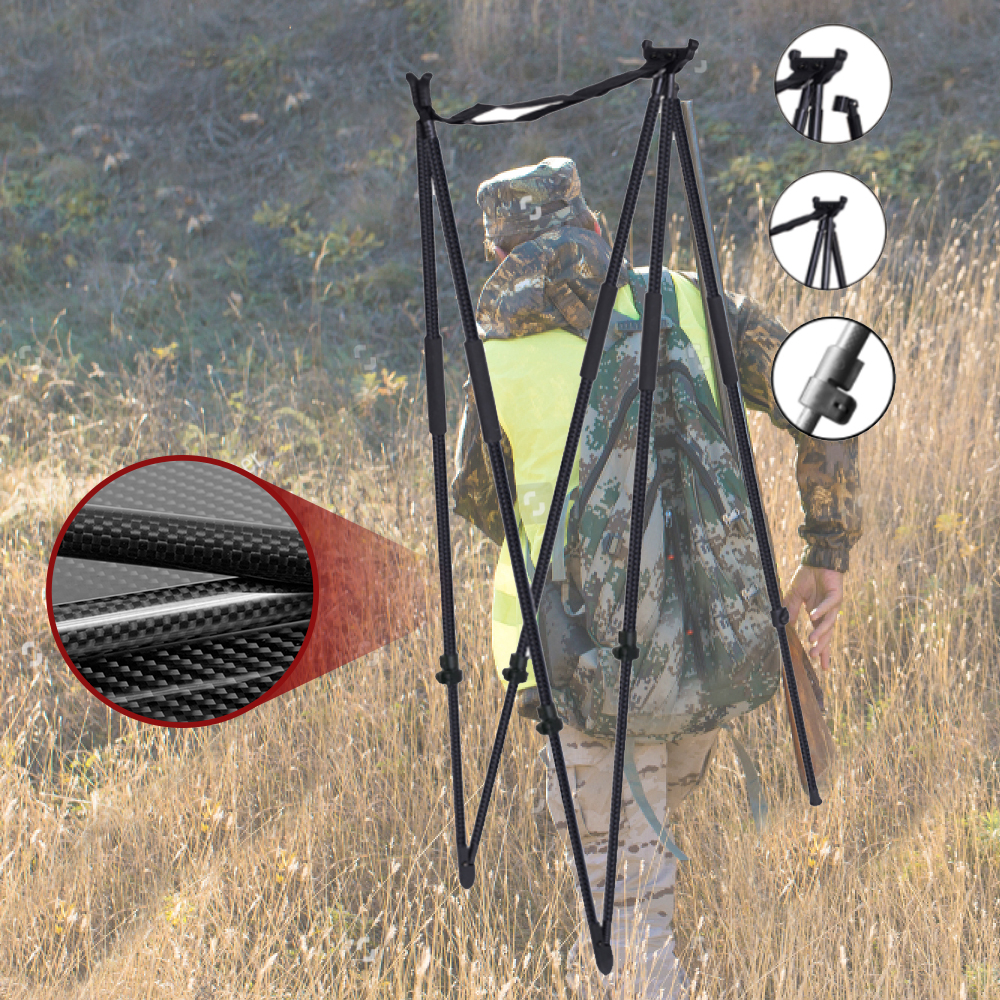
Carbon fiber tubes are very popular. But are they truly the best material for shooting sticks? Or is it simply marketing hype? This is a common question among enthusiasts. We will examine if the investment in these shooting sticks is worthwhile. We consider their real-world performance. We also look at their durability and cost. For example, a Carbon fiber tubes 5 legged shooting stick promises many advantages. We will determine if these advantages justify the higher price.
Key Takeaways
- Carbon fiber shooting sticks are light. They are strong. They reduce vibrations. This helps you shoot better.
- Carbon fiber costs more than aluminum. It can break from sharp hits. Aluminum dents but often still works.
- Carbon fiber works well in all weather. It does not rust. Its size stays the same in heat or cold.
- Think about your budget. Think about how you will use the stick. This helps you choose between carbon fiber and aluminum.
- Hunters and competitive shooters often like carbon fiber. It helps them with long distances and tough conditions.
The Allure of Carbon Fiber: Key Advantages

Carbon fiber tubes offer several compelling benefits. These advantages make them a popular choice for high-performance gear. For shooting sticks, these features can greatly improve a shooter’s experience.
Lightweight Portability
One major benefit of carbon fiber is its low weight. Shooting sticks often travel long distances. Hunters carry them through forests. Competitive shooters move them between stages. A lighter stick reduces fatigue. This allows shooters to stay focused longer. Carbon fiber is much lighter than aluminum or steel. This difference is noticeable during long treks. It makes the gear easier to handle. Quick adjustments become simpler.
Tip: Lighter gear means less energy spent carrying it. This leaves more energy for precise shooting.
Exceptional Strength-to-Weight Ratio
Carbon fiber boasts an impressive strength-to-weight ratio. This means it is very strong for how little it weighs. Imagine a material that is incredibly tough but also very light. Carbon fiber fits this description. It can support heavy rifles without bending. It resists breaking under pressure. This strength ensures stability for your firearm. A stable platform is crucial for accurate shots. This material provides the necessary rigidity. It does so without adding bulk.
Vibration Dampening Properties
Vibrations can ruin a perfect shot. They cause the scope to wobble. The reticle might move slightly. Carbon fiber naturally absorbs these vibrations. It does this better than many metals. When you fire a rifle, energy travels through the shooting stick. Carbon fiber helps to dissipate this energy. This reduces movement in your sight picture. A steady reticle means better accuracy. This property is especially valuable for long-range shooting. It helps maintain precision.
- Benefit 1: Reduces scope wobble.
- Benefit 2: Improves shot consistency.
- Benefit 3: Enhances overall shooting stability.
Corrosion Resistance
Metals can rust or corrode. This happens when they react with water or air. Rust weakens the material. It can also make parts stick. Carbon fiber does not rust. It does not corrode like metals. This is a big advantage for outdoor gear. Shooting sticks often get wet. They are used in rain or snow. They can be exposed to salty air near the coast.
Carbon fiber tubes stay strong in these conditions. They do not degrade from moisture. They do not react with chemicals. This means your shooting sticks will last longer. They will keep their strength. You will not see ugly rust spots. This makes carbon fiber a reliable choice.
- Benefit 1: No rust formation.
- Benefit 2: Resists saltwater damage.
- Benefit 3: Maintains structural integrity over time.
Tip: Carbon fiber’s resistance to corrosion means less maintenance. You spend more time shooting, less time cleaning.
Thermal Stability
Temperature changes can affect materials. Some materials expand when hot. They shrink when cold. This is called thermal expansion. Metals like aluminum expand more than carbon fiber. This expansion can cause problems. It can change the length of your shooting stick. It can affect the fit of parts.
Carbon fiber has very low thermal expansion. Its size changes very little with temperature. This means your shooting stick stays consistent. Its length remains stable. The joints stay tight. This stability is important for accuracy. A consistent setup helps with consistent shots. You can trust your gear in any weather. Hot summer days or cold winter mornings will not change its performance.
- Impact of Temperature on Materials:
- Metals: Expand and contract more.
- Carbon Fiber: Changes very little.
Note: Consistent dimensions mean your shooting stick provides a stable platform. This helps maintain shot accuracy in varying climates.
The Practical Realities: Disadvantages to Consider
While carbon fiber offers many benefits, it also has some drawbacks. These disadvantages are important to understand. They can affect your decision to buy carbon fiber shooting sticks.
Higher Cost
Carbon fiber products usually cost more. This is true when compared to items made from aluminum. The raw materials for carbon fiber are expensive. The manufacturing process is also complex. It requires specialized equipment and skilled labor. This higher production cost passes on to the buyer.
For example, a carbon fiber shooting stick can be twice the price of an aluminum one. This difference in price is significant. It can be a major factor for many shooters. You must decide if the benefits outweigh the extra expense.
Note: The initial investment for carbon fiber gear is often higher. This is a key consideration for your budget.
Brittleness and Impact Vulnerability
Carbon fiber is very strong. However, it can be brittle. This means it does not bend or dent like metal. Instead, it can crack or shatter under certain impacts. A sharp blow to a specific point can cause damage. Dropping a carbon fiber tube onto a hard, sharp rock might cause it to break.
Metals, like aluminum, often deform. They might get a dent or bend. But they usually do not break completely. Carbon fiber’s strength comes from its fibers. If these fibers break, the material loses its integrity. This makes carbon fiber more vulnerable to sudden, focused impacts.
- Carbon Fiber: Can crack or shatter from sharp impacts.
- Aluminum: Tends to dent or bend, often remaining functional.
Repair Difficulty
Repairing damaged carbon fiber is challenging. Once a carbon fiber tube cracks or breaks, it is hard to fix. You cannot simply bend it back into shape. You cannot weld it like metal. Repairs often need special tools and materials. They also require specific skills.
Many times, a damaged carbon fiber component needs full replacement. This can be costly. It can also be inconvenient. If a part of your shooting stick breaks, you might need to buy a whole new section. This is different from metal. A metal part might be repaired by a local shop.
Tip: Consider the availability of replacement parts. Also, think about the cost of professional repair before buying. Damage to carbon fiber often means a complete part replacement.
UV Degradation Concerns
Carbon fiber is strong. However, it faces a challenge from ultraviolet (UV) light. Sunlight contains UV rays. These rays can harm the resin that holds carbon fibers together. Over time, UV exposure can weaken the material. This is a concern for outdoor equipment like shooting sticks.
The resin matrix is the glue of carbon fiber. It protects the fibers. UV radiation breaks down this resin. The resin can become brittle. It might also change color. This process is called UV degradation. It reduces the overall strength of the carbon fiber composite.
- What happens during UV degradation?
- The resin becomes less flexible.
- Small cracks can form on the surface.
- The material might look dull or faded.
- Its ability to protect the carbon fibers decreases.
This weakening is usually slow. It takes many hours of direct sunlight. A shooting stick left outside for weeks will show more damage. A stick used occasionally and stored indoors will last longer. The extent of damage depends on exposure time and UV intensity.
Manufacturers often apply protective coatings. These coatings act as a shield. They block UV rays from reaching the resin. Paint or clear coats are common examples. These layers help extend the life of carbon fiber products. They maintain the material’s strength and appearance.
Tip: Look for carbon fiber shooting sticks with a durable finish. A good coating protects against UV damage. This helps your gear last longer.
Without proper protection, carbon fiber can lose its integrity. This means it might not perform as expected. It could become less stable. It might even fail under stress. This is why UV protection is important for any outdoor carbon fiber gear. It ensures the shooting stick remains reliable for many years.
Carbon Fiber Tubes: Manufacturing and Durability Insights
Understanding how carbon fiber tubes are made helps explain their performance. Different manufacturing methods create different properties. The materials used also play a big role in durability.
Wrapped vs. Uniaxial Tubes
Carbon fiber tubes are made in different ways. Two common types are wrapped and uniaxial.
- Wrapped Tubes: These tubes are made by wrapping layers of carbon fiber fabric around a mold. Each layer can be oriented in a different direction. This layering creates strength in multiple directions. It makes the tube very strong against twisting and bending. This method is common for many high-performance parts.
- Uniaxial Tubes: These tubes have most of their carbon fibers running in one main direction. This makes them extremely strong along that specific axis. They are very stiff when pushed or pulled in that direction. However, they might be weaker against forces from other angles. For shooting sticks, a balance of strength is often best.
Tip: Wrapped tubes often offer better all-around strength for varied stresses.
Impact of Resin Matrix
Carbon fibers themselves are strong. But they need a resin to hold them together. This resin is like glue. It binds the fibers into a solid tube. The type of resin used greatly affects the tube’s properties.
- Epoxy Resins: These are very common. They offer good strength and stiffness. They also resist chemicals well.
- Vinyl Ester Resins: These resins provide good toughness. They can handle impacts better than some other resins.
- Polyester Resins: These are often less expensive. They might not offer the same high performance as epoxy or vinyl ester.
A good resin matrix protects the fibers. It transfers stress evenly between them. This makes the tube durable. A poor resin can lead to cracks or weakness.
Protective Coatings and Treatments
Carbon fiber tubes often have coatings. These coatings add an extra layer of protection. They help the tubes last longer.
- UV Protection: As mentioned, UV light can damage the resin. Clear coats or paints often contain UV inhibitors. These block harmful rays. This prevents the resin from breaking down.
- Scratch Resistance: Coatings can make the surface harder. This helps prevent scratches and scuffs. Shooting sticks often get bumped. A tough coating keeps them looking good.
- Water Repellency: Some coatings can make the surface shed water. This helps prevent water from getting into tiny cracks. It also keeps the stick cleaner.
These treatments are important. They ensure the carbon fiber tube maintains its strength and appearance over time.
Carbon Fiber Tubes 5 Legged Shooting Stick vs. Aluminum: A Head-to-Head Comparison
Weight and Portability Showdown
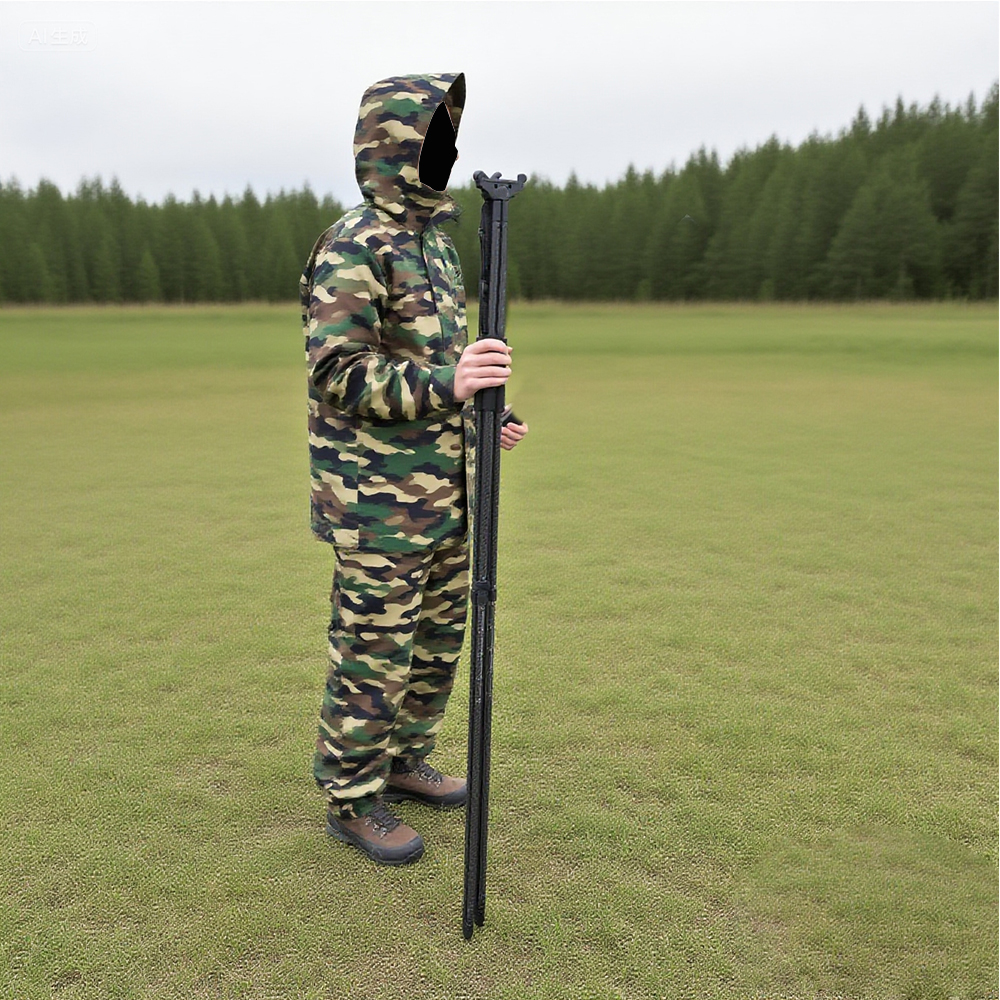
Weight is a very important factor for shooting sticks. Carbon fiber tubes are significantly lighter than aluminum. This difference becomes clear when you carry your equipment. A lighter stick means less fatigue during long trips. You can hike for many miles. You can also move quickly between different shooting positions. For example, a Carbon fiber tubes 5 legged shooting stick offers superior portability. It greatly reduces the overall weight of your hunting or shooting setup. This makes long treks into the field much easier. You save energy for the shot itself.
Durability and Impact Resistance
Both materials offer good strength. However, they handle impacts in different ways. Aluminum can bend or dent from strong impacts. It often remains functional even with some visible damage. Carbon fiber is very stiff. It resists bending extremely well. But, a sharp, focused impact can cause it to crack or even shatter. Imagine dropping a carbon fiber stick onto a jagged rock. It might break. An aluminum stick in the same situation might only get a dent. You need to consider your typical use. Think about the kind of impacts your gear might experience.
Note: Aluminum tends to deform, while carbon fiber tends to fail catastrophically under specific impact types.
Cost-Benefit Analysis
Cost is a significant difference between these materials. Carbon fiber shooting sticks are generally more expensive. Aluminum options cost less. You pay a higher price for carbon fiber’s advanced benefits. These include its lighter weight, excellent vibration dampening, and corrosion resistance. A Carbon fiber tubes 5 legged shooting stick provides these high-performance features. It gives you an edge in certain situations. An aluminum stick is a solid choice for those on a tighter budget. It still offers good stability and reliability. You must decide if the extra performance and features justify the higher price for your specific shooting needs.
Performance in Extreme Conditions
Extreme weather tests gear. Both carbon fiber and aluminum react differently to harsh conditions. Understanding these differences is important.
Carbon fiber shows excellent thermal stability. It does not expand or contract much with temperature changes. This means a carbon fiber tubes 5 legged shooting stick maintains its length. It keeps its rigidity in very hot deserts or freezing mountains. This consistency is vital for accuracy. Shooters can trust their setup. The material also resists moisture. It does not rust or corrode. This makes it ideal for wet environments. Rain, snow, or humidity do not degrade its structure. This is a significant benefit for outdoor use.
Aluminum, however, expands and contracts more. This can cause slight changes in length. Such changes might affect precision over long distances. Aluminum can also oxidize. This forms a protective layer. But it can still be affected by saltwater or certain chemicals. Its performance might degrade over time in very corrosive environments. For example, prolonged exposure to salty air can lead to pitting. This can weaken the material over many years.
Consider a hunter in Alaska. A carbon fiber tubes 5 legged shooting stick will perform reliably. Its low thermal expansion means consistent height. Its resistance to moisture prevents freezing issues. The material does not absorb water. This avoids ice formation within the structure. An aluminum stick might become colder to the touch. It could also show more dimensional changes. This might require minor adjustments to maintain stability.
Tip: For consistent performance in all climates, carbon fiber offers an advantage. Its material properties are less affected by temperature swings. This ensures reliability when you need it most.
In very cold weather, carbon fiber remains strong. It does not become brittle like some plastics. Its strength-to-weight ratio holds up. In extreme heat, it keeps its structural integrity. It does not soften or warp. This makes it a dependable choice for any climate. The material’s inherent properties provide a robust solution. This means less worry about your gear failing. You can focus on your shot.
Is Carbon Fiber Right for Your Shooting Stick?
Deciding on a carbon fiber shooting stick involves understanding your own needs. It is not the perfect choice for everyone. However, it offers clear advantages for specific users.
Who Benefits Most?
Certain shooters gain the most from carbon fiber.
- Long-Distance Hunters: They often trek far into rugged terrain. The lighter weight of carbon fiber reduces fatigue. This helps them stay focused for the shot. Its vibration dampening also aids accuracy at extended ranges.
- Competitive Shooters: Precision is key in competitions. Carbon fiber’s stability and consistent performance are valuable. It helps maintain accuracy across different stages and conditions.
- Backcountry Enthusiasts: These users prioritize minimal weight. Every ounce matters on long expeditions. Carbon fiber provides strength without adding bulk.
- Shooters in Harsh Climates: Carbon fiber resists corrosion. It also maintains stability in extreme temperatures. This makes it reliable in rain, snow, or intense heat.
Tip: If you demand top performance and portability, carbon fiber is a strong contender.
Factors to Weigh Before Purchase
Consider these points before buying a carbon fiber shooting stick.
- Budget: Carbon fiber costs more. Decide if the performance benefits justify the higher price for you.
- Typical Use: Will you use it gently or in very rough environments? Carbon fiber is strong but can be brittle with sharp impacts.
- Weight Priority: How important is weight savings to you? If you rarely carry your stick far, aluminum might be sufficient.
- Durability Concerns: Are you prone to dropping gear? Aluminum might withstand dents better than carbon fiber handles sharp blows.
- Maintenance: Carbon fiber requires less corrosion maintenance. However, repairs are harder if it breaks.
Note: Your personal shooting style and environment should guide your decision.
Carbon fiber tubes offer great benefits. They are light and strong. They also dampen vibrations. However, they cost more. They can also be vulnerable to sharp impacts. Aluminum is a good alternative. It is more affordable. It handles dents better. The best shooting stick depends on your needs. Consider your budget. Think about your typical use. Your personal priorities will guide your decision.
FAQ
Is carbon fiber always the best choice for shooting sticks?
No, it depends on your needs. Carbon fiber offers light weight and great stability. It costs more. Aluminum is a good, cheaper option. It handles dents better. Your budget and how you use the stick matter most.
How do I care for my carbon fiber shooting stick?
Protect it from sharp impacts. Store it out of direct sunlight. UV rays can harm the resin over time. Look for sticks with protective coatings. These coatings help extend its life.
What makes carbon fiber so light yet strong?
Carbon fiber has an excellent strength-to-weight ratio. It uses thin, strong fibers. These fibers are bound together by resin. This creates a very stiff and light material. It supports heavy rifles without adding much bulk.
Can carbon fiber shooting sticks be used in all weather?
Yes, carbon fiber performs well in all weather. It resists corrosion from water. It also does not change much with temperature. This means your stick stays stable in hot or cold conditions. It is a reliable choice for outdoor use.
Post time: Jan-21-2026