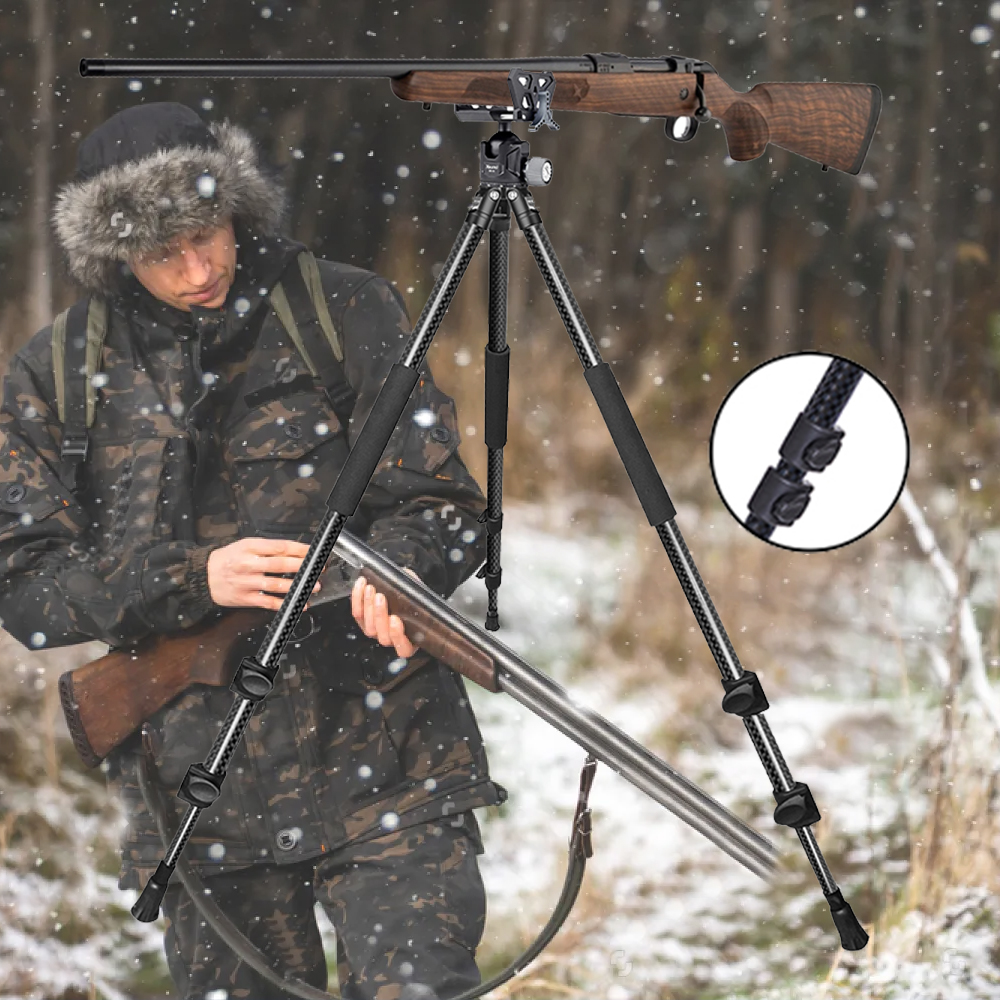
Choosing the right hunting shooting stick can make a big difference in your shooting experience. A solid aluminum tubes tripod gun clamp saddle stick helps you steady your aim, especially when you’re out in the field. When selecting one, consider factors like material, height, and stability. For instance, if you’re looking for something lightweight yet sturdy, an aluminum tubes tripod gun clamp saddle stick might be a great option. Remember, the right shooting stick enhances your performance and keeps you comfortable while you hunt.
Key Takeaways
- Choose the right type of shooting stick based on your needs: monopods for mobility, bipods for stability, and tripods for maximum support.
- Consider your hunting environment. Open fields may require a tripod, while dense woods might benefit from a lightweight monopod.
- Evaluate personal preferences like weight and ease of use. Lightweight materials like aluminum or carbon fiber are ideal for long hikes.
- Adjustability is key. Look for shooting sticks that can easily change height to match your shooting position for better accuracy.
- Assess the type of game you hunt. Small game may need a monopod, while larger game benefits from the stability of bipods or tripods.
Types of Shooting Sticks
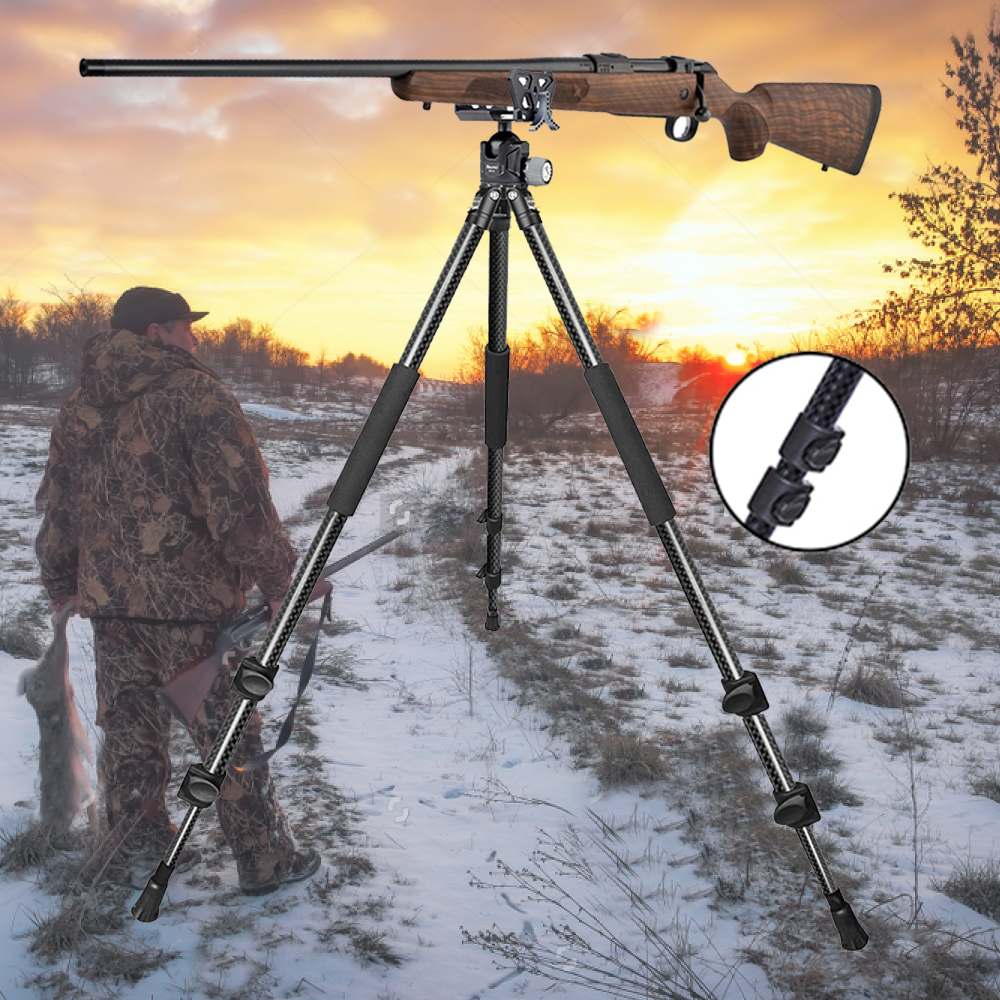
When it comes to shooting sticks, you have three main types to choose from: monopods, bipods, and tripods. Each type has its own strengths, so let’s break them down.
Monopods
Monopods are the simplest option. They consist of a single pole that supports your firearm. Here are some key points about monopods:
- Lightweight: They’re easy to carry, making them great for long hikes.
- Quick Setup: You can set them up in seconds, which is perfect for fast-paced hunting.
- Versatile: Use them for various shooting positions, whether standing or kneeling.
However, they do have limitations. You might find them less stable than other options, especially in windy conditions.
Bipods
Bipods offer more stability than monopods. They have two legs, which provide a solid base for your rifle. Here’s what you should know:
- Stability: The two legs give you a steady aim, especially on uneven terrain.
- Adjustable Height: Many bipods allow you to adjust the height, so you can find the perfect position.
- Easy to Use: They’re simple to deploy and can be attached to your rifle quickly.
On the downside, bipods can be bulkier than monopods, which might be a concern if you’re trying to travel light.
Tripods
Tripods are the most stable option available. With three legs, they provide excellent support for your firearm. Consider these benefits:
- Maximum Stability: They’re great for long-range shooting, where precision is key.
- Versatile Use: You can use them for photography or spotting scopes too.
- Height Adjustability: Most tripods offer a wide range of height adjustments.
The trade-off? Tripods can be heavier and take longer to set up compared to monopods and bipods.
Choosing the right type depends on your specific needs and shooting style. Think about where you’ll be hunting and what you value most in a shooting stick!
Advantages and Disadvantages
Pros of Monopods
Monopods come with several benefits that make them appealing for many shooters. Here are some key advantages:
- Lightweight and Portable: You can easily carry a monopod on long hikes without feeling weighed down.
- Quick Setup: You can get ready to shoot in seconds. Just extend it, and you’re good to go!
- Versatile Shooting Positions: Whether you’re standing, kneeling, or sitting, a monopod adapts to your needs.
Tip: If you often find yourself moving around a lot while hunting, a monopod might be your best friend!
Cons of Monopods
While monopods have their perks, they also come with some drawbacks:
- Less Stability: Compared to bipods and tripods, monopods can feel wobbly, especially in windy conditions.
- Limited Support: You might struggle to keep your aim steady during longer shots. This can be a dealbreaker for precision shooting.
Pros of Bipods
Bipods offer a nice balance between stability and portability. Here’s what makes them a great choice:
- Enhanced Stability: With two legs, bipods provide a solid base for your rifle, making it easier to aim accurately.
- Adjustable Height: You can customize the height to fit your shooting position, which is super handy.
- Quick Deployment: Just like monopods, bipods are easy to set up, allowing you to focus on your target.
Note: If you often shoot from uneven terrain, a bipod can help you maintain your aim better than a monopod.
By weighing these pros and cons, you can better decide which shooting stick fits your style and needs!
Cons of Bipods
While bipods have their advantages, they also come with some downsides. Here are a few things to consider:
- Weight: Bipods can be heavier than monopods. If you’re hiking long distances, that extra weight might become a burden.
- Limited Mobility: Once you set up a bipod, you’re somewhat anchored. This can make it tricky to adjust your position quickly if your target moves.
- Terrain Dependency: Bipods work best on flat ground. If you’re hunting in rocky or uneven areas, you might struggle to find a stable shooting position.
Tip: If you often hunt in varied terrains, think about how a bipod might affect your mobility.
Pros of Tripods
Tripods are the heavyweight champions of shooting sticks. They offer several benefits that can enhance your shooting experience:
- Unmatched Stability: With three legs, tripods provide excellent support. This stability is crucial for long-range shots where precision matters.
- Versatile Use: You can use tripods for more than just shooting. They’re great for photography or spotting scopes too, making them a multi-purpose tool.
- Height Adjustability: Most tripods allow for significant height adjustments. This feature helps you find the perfect shooting position, whether you’re standing or sitting.
Note: If you value stability and versatility, a tripod might be the right choice for you.
Cons of Tripods
Despite their many advantages, tripods have some drawbacks:
- Heavier and Bulkier: Tripods can be cumbersome to carry. If you’re trekking through the woods, that extra weight can slow you down.
- Longer Setup Time: Setting up a tripod takes more time than a monopod or bipod. If you need to act quickly, this could be a disadvantage.
- Complexity: Some tripods come with various features that can be overwhelming. If you prefer simplicity, this might not be the best option for you.
Reminder: Consider your hunting style and environment when deciding if a tripod is worth the extra effort.
Factors to Consider
When you’re on the hunt for the perfect shooting stick, several factors can make a big difference in your choice. Let’s dive into the key elements you should consider: material, height, and stability.
Material
The material of your shooting stick plays a crucial role in its performance and durability. Here are some common materials and their benefits:
- Aluminum: Lightweight and strong, aluminum is a popular choice. An aluminum tubes tripod gun clamp saddle stick offers excellent portability without sacrificing stability. It’s resistant to rust, making it ideal for outdoor use.
- Carbon Fiber: This material is even lighter than aluminum and provides great strength. However, it can be more expensive. If you want to invest in a high-end option, consider a carbon fiber shooting stick.
- Steel: While heavier, steel offers unmatched durability. If you’re hunting in rugged conditions, a steel shooting stick might be the right choice for you.
Tip: Think about how much weight you’re willing to carry. If you plan to hike long distances, lightweight materials like aluminum or carbon fiber are your best bets.
Height
Height is another critical factor. You want a shooting stick that fits your shooting style and body type. Here’s what to keep in mind:
- Adjustability: Look for a shooting stick that allows you to adjust the height easily. This feature helps you find the perfect position, whether you’re standing or sitting.
- Fixed Height: Some sticks come with a fixed height. If you choose this option, make sure it matches your height. A stick that’s too short or too tall can throw off your aim.
Note: When testing a shooting stick, stand in your shooting position and see if it aligns with your eye level. This alignment is crucial for accurate shooting.
Stability
Stability is vital for maintaining your aim, especially during long shots. Here’s how to assess stability:
- Base Design: A wider base generally offers better stability. Tripods tend to be the most stable option, but some bipods can also provide solid support.
- Weight Distribution: Consider how the weight is distributed. A well-balanced shooting stick will help you stay steady, even in windy conditions.
Reminder: If you often shoot in challenging environments, prioritize stability in your choice. A sturdy aluminum tubes tripod gun clamp saddle stick can make a significant difference in your shooting accuracy.
By considering these factors—material, height, and stability—you can choose a shooting stick that enhances your shooting experience and meets your specific needs.
Aluminum Tubes Tripod Gun Clamp Saddle Stick
When it comes to shooting sticks, the aluminum tubes tripod gun clamp saddle stick stands out as a top choice for many hunters. This type of shooting stick combines lightweight design with impressive stability, making it perfect for various shooting scenarios. Let’s explore why this option might be the right fit for you.
Lightweight and Portable
One of the biggest advantages of an aluminum tubes tripod gun clamp saddle stick is its lightweight nature. You can easily carry it on long hikes without feeling weighed down. This feature is especially important if you plan to trek through rugged terrain or cover large distances while hunting.
- Easy to Transport: You can strap it to your backpack or carry it in one hand without hassle.
- Quick Setup: Setting up this shooting stick takes just a few seconds. You can extend the legs and get ready to shoot in no time.
Stability for Accurate Shots
Stability is crucial when you’re aiming for precision. The aluminum tubes tripod design provides a solid base that helps you maintain your aim, even in windy conditions. Here’s how it enhances your shooting experience:
- Three-Legged Design: The tripod structure offers maximum stability, which is essential for long-range shots.
- Adjustable Height: Most models allow you to adjust the height easily. This feature helps you find the perfect position, whether you’re standing or sitting.
Tip: When using an aluminum tubes tripod gun clamp saddle stick, make sure to adjust the height to align with your eye level. This alignment can significantly improve your accuracy.
Versatility Beyond Shooting
Another great aspect of the aluminum tubes tripod gun clamp saddle stick is its versatility. You can use it for more than just shooting. It’s also perfect for photography or spotting scopes. If you enjoy capturing wildlife moments or need a stable platform for your binoculars, this shooting stick can do it all.
- Multi-Purpose Use: Whether you’re hunting or birdwatching, this stick adapts to your needs.
- Durable Construction: Made from aluminum, it’s resistant to rust and can withstand various weather conditions.
Personal Experiences and Recommendations
User Testimonials
Hearing from fellow hunters can help you make a better choice. Here are some testimonials from users who have tried different shooting sticks:
- John D.: “I switched to a bipod last season, and it changed my game. The stability it offers is incredible. I can finally take those long shots without worrying about my aim!”
- Sarah L.: “I love my aluminum tripod! It’s lightweight and easy to carry. I can hike for miles without feeling weighed down. Plus, it sets up in seconds!”
- Mike R.: “Monopods are my go-to for quick shots. They’re super portable, and I can adjust them fast. But I do wish they were a bit more stable for longer distances.”
These experiences show how different shooting sticks can fit various hunting styles.
Expert Insights
Experts in the field also have valuable advice. Here’s what some seasoned hunters recommend:
Tip from Expert Hunter, Lisa T.: “Always consider your shooting environment. If you’re in open fields, a tripod might be best. But if you’re in thick woods, a monopod can help you move quickly.”
Advice from Shooting Coach, Tom H.: “Don’t overlook the importance of height adjustability. You want a shooting stick that can adapt to your stance. This flexibility can make a huge difference in your accuracy.”
These insights can guide you in selecting the right shooting stick for your needs. Remember, the best choice depends on your personal preferences and the type of hunting you do!
Assessing Your Needs
Shooting Environment
Your shooting environment plays a big role in choosing the right shooting stick. Think about where you’ll be hunting. Here are some factors to consider:
- Terrain: Are you in open fields, dense woods, or rocky areas?
- Open fields may benefit from a tripod for stability.
- In thick woods, a monopod can help you move quickly.
- Weather Conditions: Windy days can affect your aim. A more stable option, like a bipod or tripod, might be best in these situations.
Tip: Always scout your hunting area beforehand. Knowing the terrain can help you decide which shooting stick will work best.
Type of Game
The type of game you’re hunting also influences your choice. Different animals require different approaches:
- Small Game: If you’re hunting small game like rabbits or birds, a lightweight monopod can help you stay mobile.
- Large Game: For larger animals like deer, a bipod or tripod offers the stability needed for longer shots.
Note: Consider the distance you’ll be shooting. If you expect to take long shots, opt for a more stable shooting stick.
Personal Preferences
Your personal preferences matter too! Here’s what to think about:
- Weight: Do you prefer something lightweight for easy transport? If so, aluminum or carbon fiber options are great.
- Ease of Use: Some sticks are easier to set up than others. If you want quick deployment, look for a monopod or a bipod with a simple mechanism.
- Budget: Determine how much you’re willing to spend. There are options available for every budget, so you can find something that fits your needs without breaking the bank.
Reminder: Take your time to evaluate what you want in a shooting stick. Your comfort and confidence in the field can make all the difference!
Choosing the right shooting stick can truly enhance your hunting experience. Remember these key points:
- Types Matter: Monopods, bipods, and tripods each serve different needs.
- Consider Your Environment: Think about where you’ll be hunting and the type of game you pursue.
- Personal Preferences Count: Your comfort and shooting style should guide your choice.
Before you make a purchase, take a moment to assess your specific needs. The right shooting stick can make all the difference in your accuracy and enjoyment. So, gear up and get ready for your next adventure!
FAQ
What is the best type of shooting stick for beginners?
For beginners, a bipod is often the best choice. It offers stability and is easy to set up. You can adjust the height, making it versatile for different shooting positions.
How do I maintain my shooting stick?
To maintain your shooting stick, clean it regularly. Wipe down the legs and joints to remove dirt and moisture. Store it in a dry place to prevent rust or damage.
Can I use a shooting stick for photography?
Absolutely! Many shooting sticks, especially tripods, work well for photography. They provide stability for your camera, helping you capture clear images without shake.
What should I look for in a shooting stick’s height?
Choose a shooting stick that adjusts to your eye level when standing or sitting. This alignment helps you aim accurately and comfortably during your shots.
Are shooting sticks suitable for all types of hunting?
Yes, shooting sticks can enhance your experience in various hunting scenarios. However, consider the terrain and type of game to select the best stick for your needs.
Post time: Feb-25-2026