Introduction
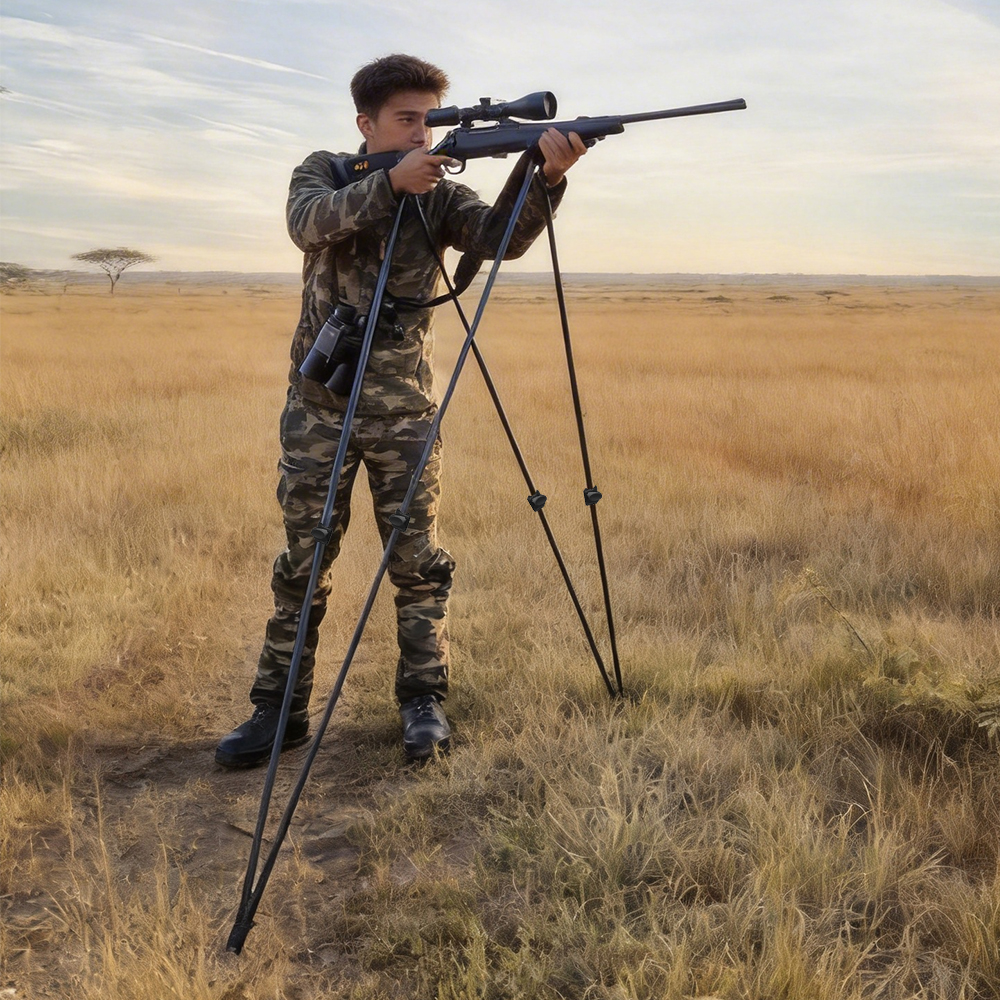
Long-range hunting magnifies every small movement, so the support under your rifle matters as much as your optics or trigger control. A high-strength aluminum shooting stick is built to reduce wobble, resist flex under load, and provide a steadier firing position when terrain, wind, and shot distance leave little room for error. This article explains how material strength, structural design, and deployment speed affect real-world precision, and why a well-made shooting stick can improve consistency, confidence, and shot ethics in the field. From stability at extended ranges to practical handling considerations, the following sections break down what separates a dependable support system from a weak compromise.
Why a High-Strength Aluminum Shooting Stick Matters for Long-Range
When you’re staring down a 600-yard shot across a windy valley, your breathing control and smooth trigger pull don’t mean much if your rifle is swaying in the breeze. I’ve spent years in the field and on the manufacturing floor, and I can tell you firsthand that a reliable heavy-duty shooting stick is often the dividing line between a clean, ethical harvest and a frustrating missed opportunity. Long-range hunting demands perfection, and relying on makeshift rests just doesn’t cut it anymore.
Defining a Shooting Stick for Performance
At our manufacturing facility, where we’ve spent the last 18 years refining outdoor gear and exporting trekking poles, we don’t just see a shooting stick as a simple bipod or tripod. We view it as a highly engineered piece of precision shooting gear designed to manage kinetic energy and stabilize a 10-to-15-pound rifle assembly. A true performance stick integrates rapid-deployment legs, fluid articulating yokes, and rigid joints that absolutely refuse to buckle under lateral pressure. To stay ahead of the curve, our two dedicated designers churn out new prototypes on a monthly basis, constantly chasing that perfect balance of unyielding rigidity and packable weight.
Precision Problems It Solves in Long-Range Hunting
Long-range hunting inherently amplifies microscopic errors. A mere 1-millimeter wobble at the muzzle translates to a point-of-impact shift of over 10 inches at 400 yards. That kind of deviation is a dealbreaker. High-strength aluminum setups solve this by eliminating the dreaded “flex” that plagues cheaper plastics or thin-walled, low-grade metals. By locking your rifle into a solid geometric triangle, these sticks drastically reduce reticle bounce. This stability not only helps you execute the shot but allows you to stay on target through the recoil impulse so you can spot your own impacts and adjust if necessary.
Material, Design, and Field Setup
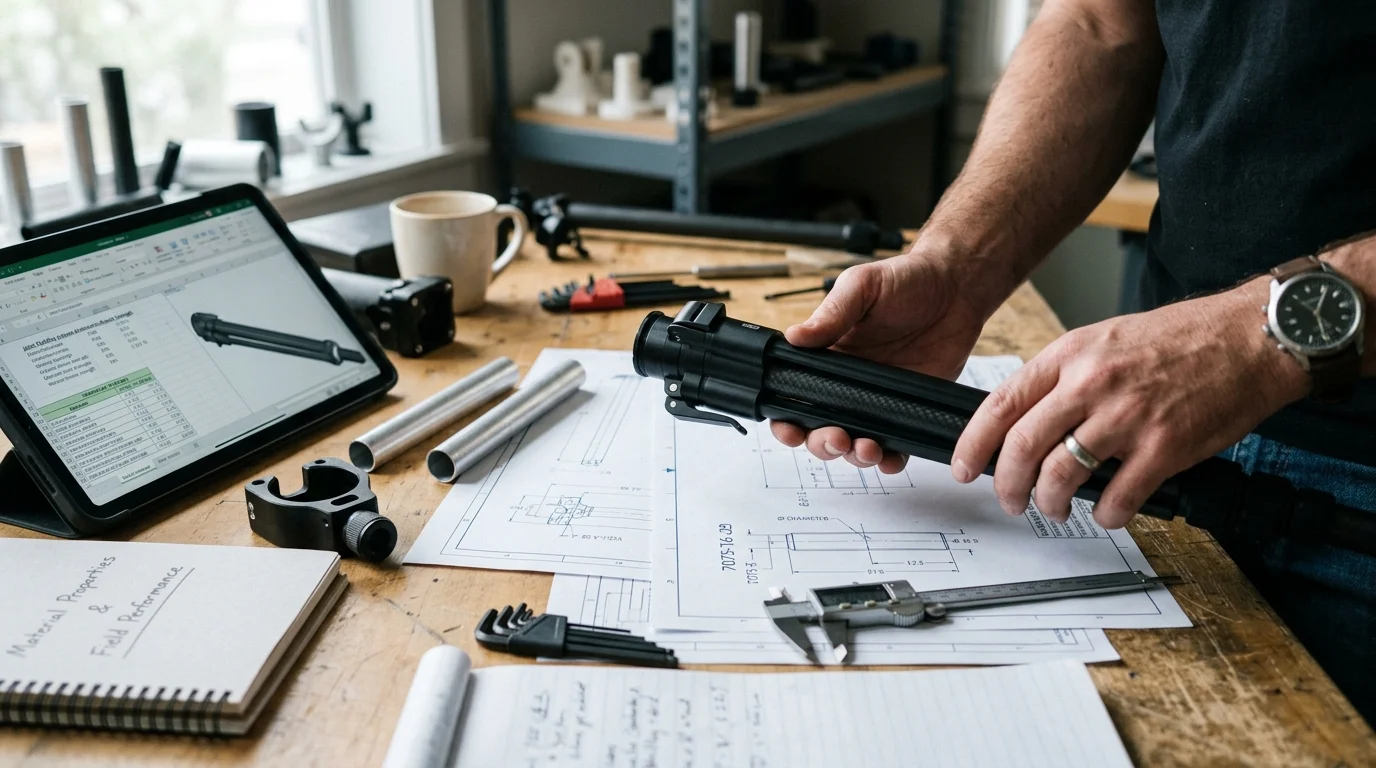
You really can’t talk about field performance without digging deep into the raw materials and mechanical design of the gear. The harsh environments we hunt in—from freezing alpine ridges to sweltering plains—don’t care about flashy marketing hype. They care about yield strength, corrosion resistance, and mechanical reliability under duress.
Key Specs to Compare
When I’m evaluating a durable hunting support, I immediately look at the technical spec sheet. You want to see a minimum static load rating of at least 40 to 50 pounds. This ensures the sticks can handle heavy magnum rifles and the aggressive downward pressure shooters naturally apply when bearing down for a long shot. Leg tube diameters should generally hover in the 18mm to 22mm range; anything thinner gets whippy, and anything thicker starts to feel like you’re carrying construction scaffolding. Additionally, look for hard-coat anodized finishes that measure at least 1 mil in thickness to prevent glare and ward off oxidation in wet weather.
Aluminum vs Other Shooting Stick Materials
Let’s look at how high-grade aluminum stacks up against the competition. We frequently utilize 7075-T6 aluminum—an aerospace-grade alloy boasting a remarkable tensile strength of around 83,000 psi. Carbon fiber is incredibly light and stiff, but it can splinter catastrophically under sharp side impacts if you drop it on jagged rocks. Wood is traditional and quiet, but it’s heavy and prone to warping in fluctuating moisture levels. Here is a quick breakdown of how these popular materials compare in real-world field conditions:
| Material | Tensile Strength (approx) | Impact Resistance | Cost Profile | Best Application |
|---|---|---|---|---|
| 7075-T6 Aluminum | 83,000 psi | High (dents, rarely breaks) | Moderate | Rugged backcountry, heavy use |
| Carbon Fiber | 100,000+ psi | Low (prone to cracking) | High | Ultralight mountain hunts |
| Hardwood | 10,000 psi | Moderate | Low | Blind hunting, static setups |
How to Evaluate and Choose a Shooting Stick
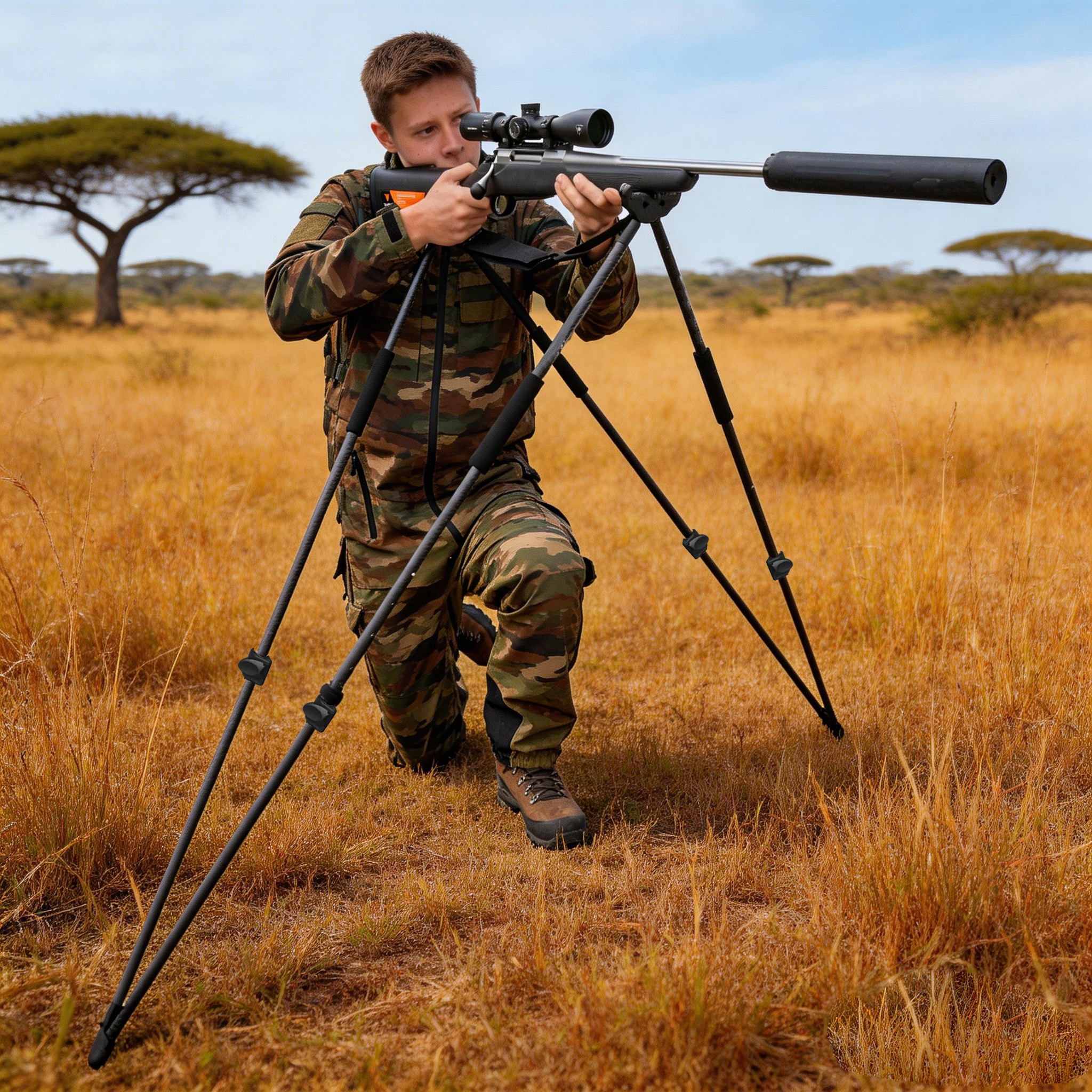 Picking the right gear isn’t just about reading specs on a screen; it’s about how the equipment functions when your heart rate spikes to 140 beats per minute and the temperature drops below freezing. I always recommend putting any aluminum shooting stick through a rigorous dry run before taking it on a serious, high-stakes hunt.
Field Checks Before You Buy
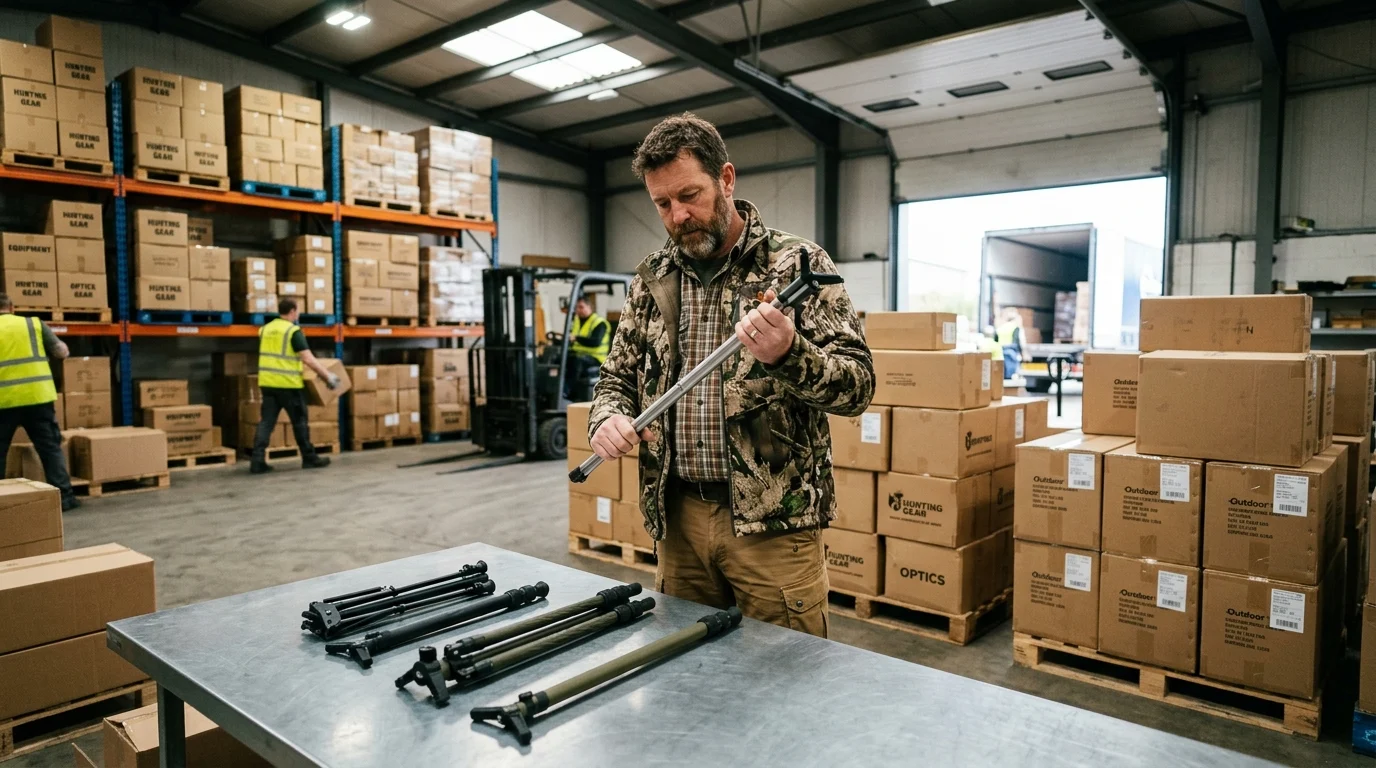
First, rigorously test the deployment speed. A top-tier stick should allow you to go from a collapsed, strapped-to-your-pack state to full shooting height in under 4 seconds. Check the locking mechanisms carefully. Whether they are cam-style flip-locks or rotary twist-locks, they need to hold tight without slipping. In our factory, we test our locking levers to withstand over 10,000 actuation cycles, because a slipped leg at the moment of truth is entirely unacceptable. You should also verify that the resting yoke swivels smoothly—ideally a full 360 degrees—allowing you to pan on moving targets without binding, jerking, or squeaking.
A Practical Selection Guide
Finally, you need to match the stick’s maximum height and geometry to your specific hunting style. If you are doing long-range prairie dog shoots or western big game hunts where you might be shooting over tall sagebrush, a tall tripod configuration provides the absolute best stability. A solid tripod setup can reduce your group sizes by up to 50% compared to standard offhand shooting. If rapid mobility and keeping a low profile are your primary concerns, a quick-adjust bipod long-range shooting rest designed for sitting or kneeling heights (typically adjusting between 25 and 40 inches) might be the better play. Ultimately, investing in a high-strength aluminum system offers the most reliable intersection of durability, weight, and price, ensuring your setup is dead-on whenever that trophy steps into the crosshairs.
Key Takeaways
- The most important conclusions and rationale for Shooting Stick
- Specs, compliance, and risk checks worth validating before you commit
- Practical next steps and caveats readers can apply immediately
Frequently Asked Questions
Why choose a high-strength aluminum shooting stick for long-range hunting?
It reduces flex and muzzle wobble, helping keep your reticle steady at 400–600 yards. Aluminum also handles hard field use better than many lightweight alternatives.
What load rating should a hunting shooting stick have?
Aim for at least a 40–50 lb static load rating. That better supports heavy rifles and the downward pressure common during prone, kneeling, or standing shots.
What aluminum alloy is best for a durable shooting stick?
7075-T6 is a strong choice for hunting sticks because it offers high strength, good impact resistance, and dependable performance in rough backcountry conditions.
How do I compare shooting stick leg sizes?
Look for leg tube diameters around 18–22mm. Thinner tubes can feel whippy, while thicker ones add extra weight without much practical benefit in the field.
Where can I find heavy-duty shooting sticks for hunting?
You can browse heavy-duty models and product specs at huntingstick.com, including aluminum hunting shooting sticks built for stability, portability, and long-range support.
Post time: May-12-2026