Introduction
Wholesale buyers are favoring aluminum four-legged shooting sticks because they solve a clear field problem: delivering near-tripod stability without the weight, bulk, or setup delays that frustrate hunters. Their growing appeal reflects broader market shifts toward precision shooting, mobile gear, and products that serve both experienced hunters and newer buyers seeking easier accuracy. For distributors and retailers, that combination translates into strong demand, broad customer fit, and reliable repeat sales. The discussion ahead explains the product advantages, buyer motivations, and commercial factors that have pushed aluminum quad sticks to the front of the outdoor gear market.
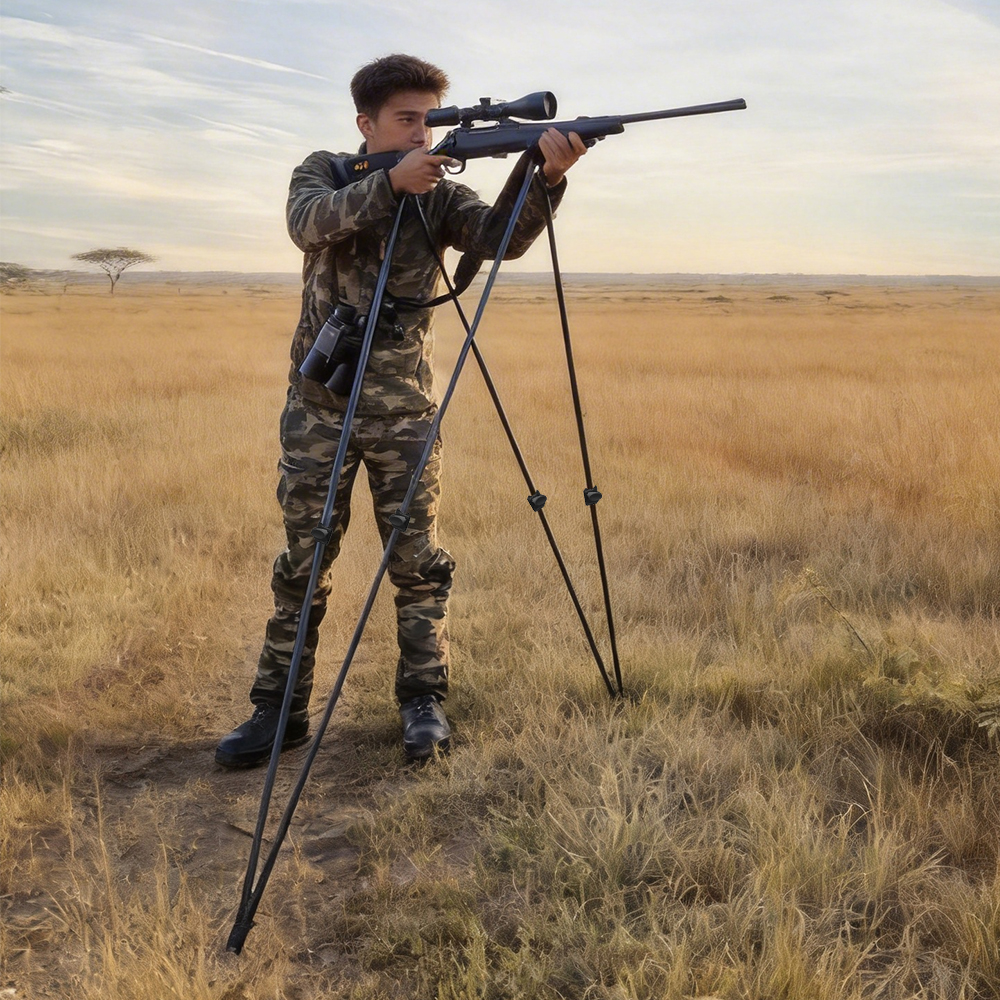
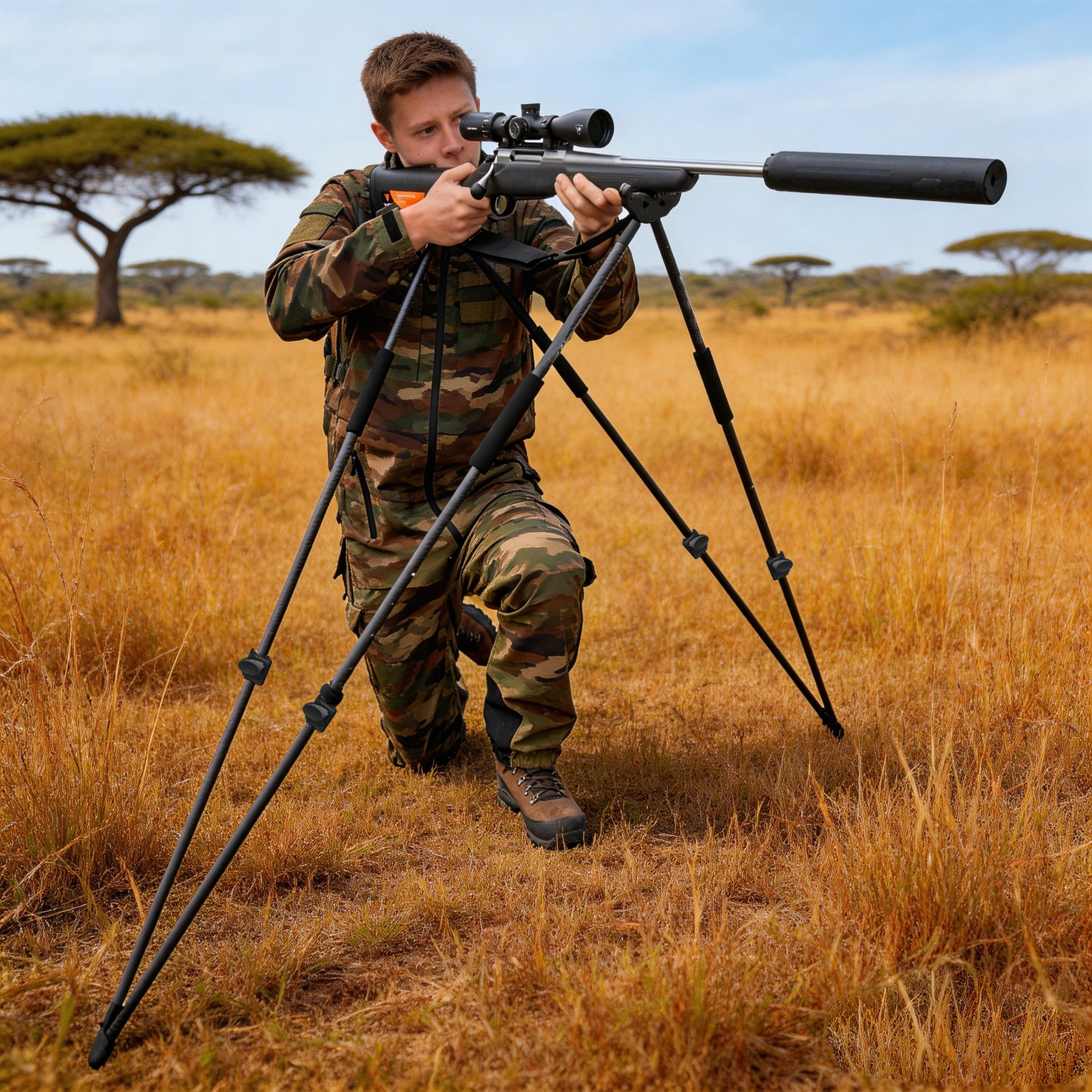
Why Aluminum 4-Legged Shooting Sticks Stand Out
If you’ve spent any time analyzing the Wholesale outdoor gear market recently, you’ve probably noticed a massive shift. The days of relying solely on basic bipods or heavy, cumbersome tripods are fading. Today, the modern marksman and outdoor enthusiast demand extreme stability without sacrificing mobility, and that’s exactly where the four-legged quad stick enters the picture.
I’ve watched this product category evolve from a niche European stalking tool to an absolute staple in North American and global markets. When we look at the data, the transition isn’t just a fad; it’s a calculated move by buyers who understand that field accuracy translates directly to customer satisfaction and repeat business.
Market demand and buyer appeal
I constantly talk to buyers who are moving away from traditional single or double-leg supports. The market demand for Shooting 4 Legged Sticks has surged, showing a solid 25% to 35% year-over-year growth in wholesale orders over the last three seasons. Shooters are realizing that supporting both the forearm and the buttstock of a rifle eliminates almost all human error and sway.
This buyer appeal is heavily driven by the aging demographic of traditional hunters who want maximum support, alongside the booming precision rifle crowd. When a customer walks into a retail store, they are looking for gear that guarantees a rock-solid rest. Quad sticks offer a rifle-vise-like grip in the field, making them an incredibly easy upsell for any retailer catering to serious outdoorsmen.
Key benefits for outdoor use
The primary reason we lean heavily into aluminum for these quad sticks is the sheer stability-to-weight ratio. When you’re out in the brush, you need four points of contact that can adapt to uneven terrain instantly. An aluminum frame provides the necessary rigidity to support a heavy, 15- to 20-pound rifle setup without flexing, which is a common failure point in cheaper plastic or thin-walled fiberglass alternatives.
Beyond just holding the weight, these sticks excel in fast-paced outdoor use because aluminum doesn’t get brittle in freezing temperatures. I’ve tested various setups in sub-zero conditions, and while carbon fiber can occasionally suffer from cold-weather impact fractures, a solid 6061-series aluminum leg will take a beating against rocks and trees and keep functioning perfectly.
Core Features and Material Comparison
When I break down a product line for my catalog, I don’t just look at the glossy photos; I dig into the raw specifications. Understanding the core features of these supports is crucial if you want to dominate the Outdoor Gear market.
You have to know exactly what you’re buying because the difference between a high-margin winner and a high-return nightmare usually comes down to material choices and configuration geometry.
Product specs and configuration options
Let’s talk specs. A standard quad stick needs to cover a massive range of shooting positions, from sitting to fully standing. I always look for a height adjustment range that spans roughly 35 inches collapsed to at least 65 inches fully extended. This accommodates over 90% of adult users in various field scenarios.
Configuration options are where you can really differentiate your SKU. The best setups feature dual yokes—typically a wider V-yoke for the forearm and a narrower U-yoke for the rear stock. Some of the higher-end models I source also include 360-degree panning heads and paracord tension straps between the legs to limit over-extension, which is a massive selling point for end-users.
Aluminum vs carbon fiber, steel, and hybrid models
Here’s where the rubber meets the road. I always get asked why we don’t just push carbon fiber or steel instead of Aluminum. Carbon fiber is incredibly light and stiff, but it pushes the wholesale price into a tier that alienates the average buyer. Steel, on the other hand, is dirt cheap but far too heavy to carry on a five-mile hike.
| Material | Typical FOB Cost (per unit) | Average Weight | Durability Profile |
|---|---|---|---|
| Aluminum (6061-T6) | $18.00 – $25.00 | 2.5 – 3.2 lbs | High (Dents on hard impact) |
| Carbon Fiber | $45.00 – $65.00 | 1.8 – 2.2 lbs | High (Shatters on hard impact) |
| Steel Alloys | $12.00 – $16.00 | 4.5 – 5.5 lbs | Very High (Prone to rust) |
| Hybrid (Alum/Poly) | $15.00 – $20.00 | 3.0 – 3.8 lbs | Medium (Joints can fail) |
As you can see from the breakdown, aluminum hits the absolute sweet spot. It gives retailers a product they can comfortably price in the mid-tier market while still offering professional-grade reliability and aesthetics.
Weight, cost, and corrosion resistance
In the field, an aircraft-grade aluminum quad stick generally weighs in right around 2.5 to 3.2 pounds. This is light enough to strap to a backpack all day but heavy enough to dampen vibration and recoil, providing the shooter with a dead-steady rest.
Cost and corrosion resistance are the final pieces of the puzzle. An anodized aluminum finish provides excellent protection against rain, mud, and snow. Unlike steel, which requires constant oiling to prevent rust, a hard-anodized aluminum stick is virtually maintenance-free. This drastically reduces warranty claims and returns, keeping your wholesale margins intact over the long run.
Performance and Supplier Evaluation
Finding a factory that can bend and assemble metal tubes is easy. Finding one that can build a precision instrument that won’t collapse under pressure is a completely different game.
When I’m evaluating suppliers for Hunting accessories, I strip the product down to its raw components. Performance isn’t just about how it looks in the box; it’s about how it holds up after three seasons of abuse in the wild.
Material grade, tube thickness, and locking systems
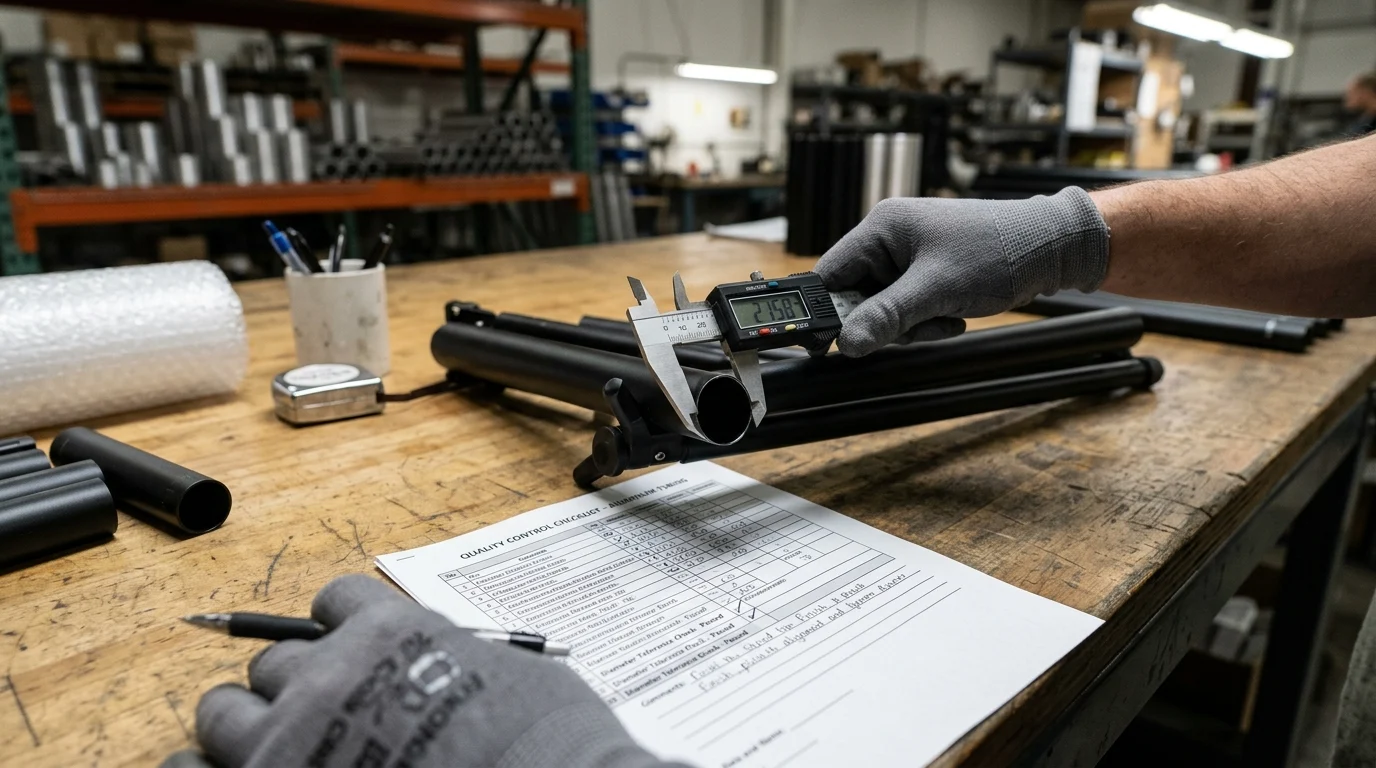
I always check the tube wall thickness first. Anything under 0.8mm is essentially a toy and will buckle under the weight of a heavy magnum rifle. I strictly source sticks with a wall thickness between 1.0mm and 1.2mm using 6061-T6 or 7075 aluminum alloys. This ensures maximum rigidity without adding unnecessary bulk to the overall carry weight.
The locking systems are just as critical. You generally have a choice between twist locks and flip-lever locks. I strongly prefer flip locks reinforced with stainless steel pins. A high-quality flip lock should be able to withstand at least 30 kg (about 66 lbs) of axial force without slipping. If a factory’s locks fail at 15 kg, you’re going to have customers dropping their expensive rifles in the mud.
Supplier qualification and factory audits
When I audit a new factory, I don’t just look at their showroom. I walk the production floor to check their CNC machining tolerances. For the yoke and joint connections, I expect to see tolerances held to ±0.05mm. Anything looser, and the sticks will rattle, which is an absolute dealbreaker for stealthy field use.
I also mandate that my suppliers hold valid ISO 9001 certifications. I want to see their raw material sourcing logs to ensure they aren’t mixing in scrap aluminum, which compromises the temper and strength of the final product. A reliable supplier will gladly provide third-party metallurgical test reports to back up their material claims.
Sourcing steps to reduce MOQ and private-label risk
Let’s face it, nobody wants to drop cash on a 5,000-unit minimum order quantity (MOQ) for an untested market. Standard factory MOQs for custom aluminum sticks usually sit between 500 and 1,000 units. However, I’ve found that by standardizing the tube colors (like matte black or OD green) and only customizing the foam grips and yoke colors, you can often negotiate the MOQ down to 200 or 300 units for a trial run.
Private labeling is also incredibly cost-effective with aluminum. Setting up a laser engraving for your brand logo on the upper tubes usually only carries a one-time setup fee of $300 to $500. This low barrier to entry allows smaller distributors to build brand equity without taking on massive inventory risk.
Logistics, Compliance, and Channel Economics
You can have the best product in the world, but if it ships poorly or gets held up in customs due to compliance issues, your profit margins will vanish before the goods even hit your warehouse.
I’ve learned the hard way that logistics and packaging are just as important as the manufacturing process itself, especially for awkwardly shaped items like quad sticks.
Packaging, carton efficiency, and freight considerations
Quad sticks are notoriously difficult to ship efficiently because of their length. A typical retail box for a collapsed stick measures roughly 40 inches by 4 inches by 3 inches. If your supplier doesn’t optimize the master carton dimensions, you’ll end up shipping a lot of empty air across the ocean.
I work with factories to ensure we can fit at least 10 to 12 retail boxes into a tightly packed master carton. Under this optimized configuration, a standard 40-foot high cube (40HQ) container can hold roughly 12,000 to 14,000 units. When you spread a $6,000 to $8,000 ocean freight bill across 12,000 units, your per-unit shipping cost drops to mere cents, which is crucial for maintaining wholesale viability.
Compliance, labeling, and testing requirements
Don’t sleep on compliance. I’ve seen shipments get flagged at the border because the supplier used cheap, non-compliant plastics or rubber for the grips and yokes. If you are importing into Europe, the rubber components must pass REACH compliance testing, specifically ensuring that Polycyclic Aromatic Hydrocarbons (PAHs) are strictly under the 1 mg/kg limit.
For the US market, especially California, you have to ensure proper Proposition 65 labeling regarding any chemicals used in the foam grips or anodizing dyes. Having your supplier apply these warning labels at the factory level costs fractions of a penny per unit, but failing to do so can result in thousands of dollars in fines and massive supply chain delays.
Margin evaluation for distributors, importers, and retailers
Let’s look at the actual money. The channel economics for aluminum quad sticks are highly favorable compared to high-tech electronics or perishable goods.
| Supply Chain Stage | Estimated Cost/Price per Unit | Margin / Markup |
|---|---|---|
| Factory FOB Price | $18.50 | N/A |
| Fully Landed Cost (US/EU) | $21.50 | N/A |
| Wholesale Price to Retailer | $35.00 – $40.00 | ~60% – 85% Markup |
| Retail MSRP | $69.99 – $89.99 | ~75% – 125% Markup |
As the table illustrates, there is plenty of meat on the bone for everyone in the supply chain. Importers and distributors can easily clear a 60% markup, while the end retailer can double their money, making this a highly attractive SKU to pitch to your B2B accounts.
How Buyers Should Make the Final Decision
So, how do you decide exactly which models to stock? The wholesale market is flooded with options, but throwing everything at the wall to see what sticks is a terrible inventory strategy.
I always advise buyers to take a step back and analyze their specific customer base before issuing a purchase order. Understanding your end-user is the only way to lock in the right specs.
Buyer profiles and sales environments
I segment my buyers into two distinct camps. First, you have the big-box sporting goods retailers. These buyers need a high-volume, visually appealing product that screams durability on the shelf. For them, a classic matte black aluminum stick with aggressive foam grips and a sub-$70 MSRP is the perfect fit.
Then you have the specialty pro shops and tactical outfitters. Their customers are willing to spend a bit more for premium features. For these environments, I source aluminum sticks with fluid panning heads, quick-detach yokes, and premium camouflage anodizing. These buyers are less price-sensitive, allowing you to push the MSRP closer to $100 while keeping your base material costs relatively stable.
Decision framework for price and performance
When I’m building a purchasing framework, I map out a matrix of price versus performance. If a factory offers me a stick for $14 FOB but it uses thin 0.6mm tubes and cheap plastic locks, I pass immediately. The return rate will destroy the initial cost savings and damage the brand’s reputation.
Conversely, if a supplier wants $35 FOB for a heavily over-engineered aluminum stick, I also pass. At that price point, the retail cost pushes into carbon fiber territory, and the customer will just buy carbon instead. The decision framework relies on keeping the FOB price tightly boxed between $18 and $25, ensuring maximum strength while preserving that vital 60% to 75% wholesale-to-retail margin.
When aluminum is the right choice
At the end of the day, if your target retail price sits between $59.99 and $89.99, aluminum is your undisputed champion. It offers a premium feel, handles the physical abuse of the outdoors flawlessly, and provides a stable platform that hunters and shooters can trust with their most expensive firearms.
Carbon fiber will always own the ultra-premium, ultra-lightweight niche, and steel will always cater to the absolute bargain basement. But for the vast majority of the wholesale market, aluminum four-legged sticks deliver the ultimate balance of margin, performance, and durability. That’s exactly why they continue to dominate purchase orders year after year.
Key Takeaways
- The most important conclusions and rationale for Why Aluminum Hunting Shooting 4 Legged Sticks Dominate the Outdoor Gear Wholesale Market
- Specs, compliance, and risk checks worth validating before you commit
- Practical next steps and caveats readers can apply immediately
Frequently Asked Questions
Why are aluminum 4-legged shooting sticks preferred in wholesale?
They balance stability, weight, and cost well. Aluminum models support heavy rifles, handle rough outdoor use, and stay affordable for retailers targeting mainstream hunting and shooting buyers.
What makes 4-legged shooting sticks better than bipods or tripods?
Quad sticks support both the rifle forearm and buttstock, reducing sway and shooter fatigue. This gives steadier aim on uneven ground and makes them easier to sell as a premium field-stability upgrade.
Which aluminum grade is commonly recommended for hunting shooting sticks?
6061-series aluminum is a practical choice. It offers strong rigidity, good corrosion resistance, and dependable cold-weather durability without the higher cost of carbon fiber options.
What specs should buyers check before ordering from this product category?
Focus on height range, weight capacity, dual-yoke design, and terrain stability. A useful target is roughly 35 to 65 inches of adjustment to cover sitting and standing shooting positions.
Are aluminum shooting sticks suitable for cold and rugged outdoor conditions?
Yes. Aluminum resists impact well, stays reliable in freezing weather, and tolerates contact with rocks, brush, and trees better than many cheaper plastic-based alternatives.
Post time: May-29-2026