Introduction
Wholesale buyers in hunting and shooting categories are prioritizing products that protect margin, reduce returns, and stand out in a crowded premium gear market. A carbon fiber tripod shooting stick with an outer clamp locking system and gun clamp saddle meets that demand by combining lightweight transport, field stability, and secure rifle support in one higher-value platform. For distributors and retailers, the appeal goes beyond product features: this setup aligns with customer demand for durable, precision-focused equipment that justifies premium pricing. This article explains why that combination is gaining traction in B2B purchasing, what commercial advantages it offers, and how it supports stronger inventory positioning across outdoor and tactical sales channels.
Introduction
I’ve spent years analyzing inventory turnover in the outdoor and tactical gear sectors, and recently, I’ve noticed a massive shift in B2B buyer behavior. The industry is rapidly moving away from cheap, disposable accessories and pivoting heavily toward premium, high-margin precision gear. If you are a wholesale buyer, distributor, or retail manager, you already know that the race-to-the-bottom pricing model on budget equipment is a losing game. The profit margins are razor-thin, customer loyalty is practically nonexistent, and warranty claims eat into your bottom line. Instead, the modern outdoorsman and precision shooter are willing to invest serious capital into gear that guarantees stability, durability, and flawless field performance.
This brings us to one of the most lucrative inventory upgrades you can make this year: the premium carbon fiber tripod system equipped with a specialized saddle and reliable leg locks. When speaking with top-tier retailers, they aren’t asking for generic, wobbly bipods anymore. They want sophisticated stabilization platforms that can handle heavy magnum rifles and harsh environments. By stocking these advanced setups, you aren’t just selling a resting post for a rifle; you are selling confidence and accuracy. Let’s break down exactly why this specific configuration is dominating purchase orders and how it can transform your gross merchandise value.
Background
Let’s look at how we got here. For decades, the standard Shooting stick was a flimsy piece of tubular aluminum or fiberglass. It was heavy, prone to bending, and inherently unstable when fully extended. Hunters and shooters accepted this because there simply wasn’t a better alternative at a reasonable price point. However, as precision rifle shooting (PRS) gained immense popularity and crossed over into the hunting sector, the expectations for field accuracy skyrocketed. Shooters realized that a $3,000 rifle and a $2,000 optic are practically useless if the stabilization platform wobbles in the wind.
The introduction of the modern Carbon fiber tripod changed the landscape entirely. Carbon fiber offers an incredible strength-to-weight ratio that legacy materials simply cannot match. To put it in perspective, a heavy-duty aluminum tripod might weigh around 3.2 to 3.5 kilograms, making it a nightmare to pack into the backcountry. A comparable 10-layer carbon fiber model weighs in at just 1.8 to 2.2 kilograms while simultaneously increasing the maximum load capacity from a measly 10 kilograms up to a staggering 25 to 30 kilograms. This massive leap in performance metrics created a new baseline for what end-users consider acceptable gear, forcing B2B buyers to adapt their catalogs accordingly.
Purpose
The primary purpose of upgrading your B2B inventory to include these premium systems isn’t just to offer a shiny new toy—it’s a calculated financial strategy. This is a product category that naturally commands a higher retail price, which directly translates to healthier gross margins for your business. When you source high-quality carbon fiber setups, you are targeting a demographic that values “buy-once-cry-once” reliability over bargain-bin savings. These are the same customers who will return to your store to buy premium optics and match-grade ammunition.
Furthermore, these systems reduce your return rates drastically. Budget aluminum sticks are notorious for failing at the joints or bending under the weight of heavy chassis rifles, leading to frustrating warranty claims and damaged brand reputation. By stocking equipment engineered to handle 25+ kilogram payloads, you virtually eliminate structural failure returns. The shift from low-end volume sales to high-end margin sales is a proven strategy for retail longevity. Here is a quick breakdown of why the unit economics make sense for your inventory:
| Metric / Feature | Legacy Aluminum Sticks | Premium Carbon Fiber Systems |
|---|---|---|
| Average Weight | 3.2 kg | 1.8 kg |
| Max Load Capacity | 10 kg | 25 – 30 kg |
| Vibration Dampening | Poor (Rings after firing) | Excellent (Absorbs recoil) |
| Typical Gross Margin | 20% – 25% | 40% – 50% |
| Return Rate (Defects) | 4% – 6% | < 1% |
Market and sourcing context
Understanding the product is only half the battle; understanding the market dynamics and how to source these items efficiently is what separates successful B2B buyers from the rest. The global market for tactical and hunting accessories is currently experiencing a massive premiumization trend. End-users are heavily educated by YouTube reviewers, competitive shooters, and specialized forums. They know exactly what features they want before they even walk into a store or browse your e-commerce site, and they can spot a white-labeled, inferior product from a mile away.
As a buyer, your job is to align your procurement strategy with these educated demands while navigating a complex overseas manufacturing landscape. You can’t just pick the cheapest factory on a B2B portal and expect a world-class product. You need partners who understand tight machining tolerances, advanced composite manufacturing, and the specific ergonomic needs of the shooting community. Let’s dive into the specific features that are driving consumer demand and what the manufacturing landscape looks like when you are ready to place a purchase order.
Demand drivers
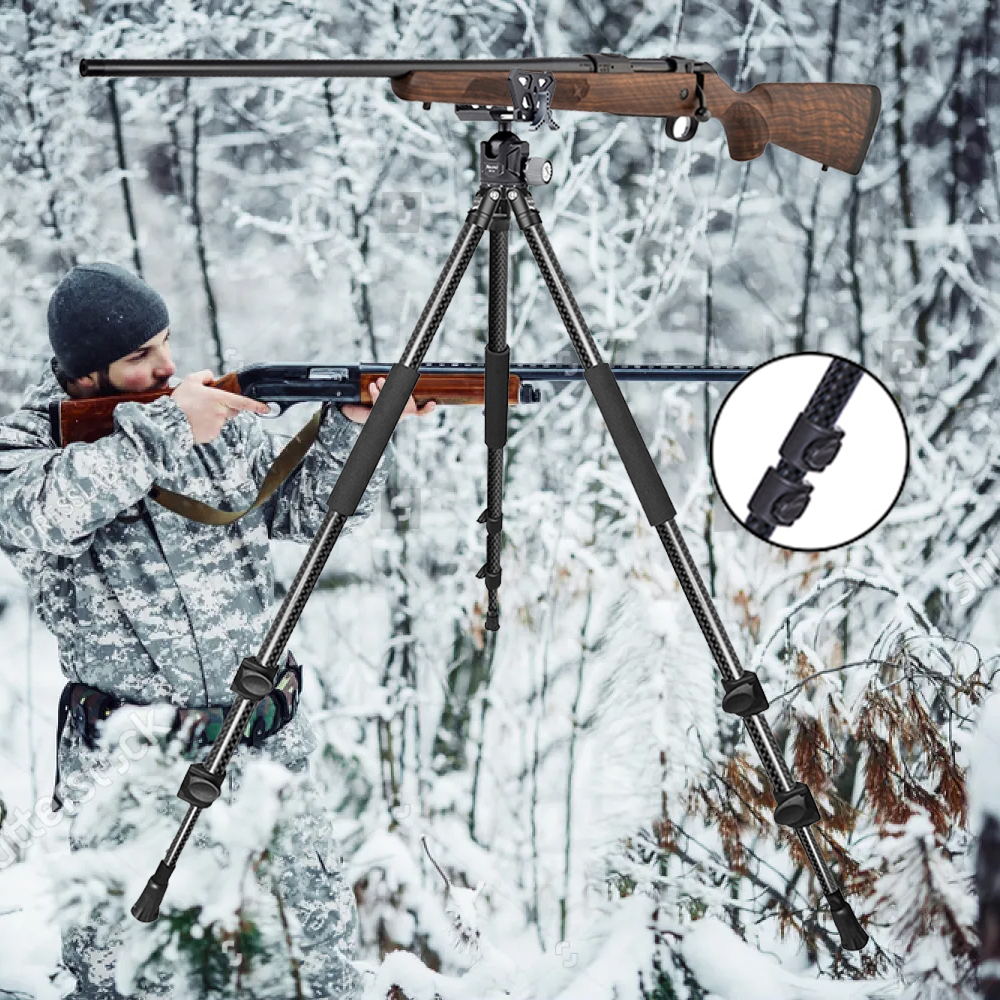
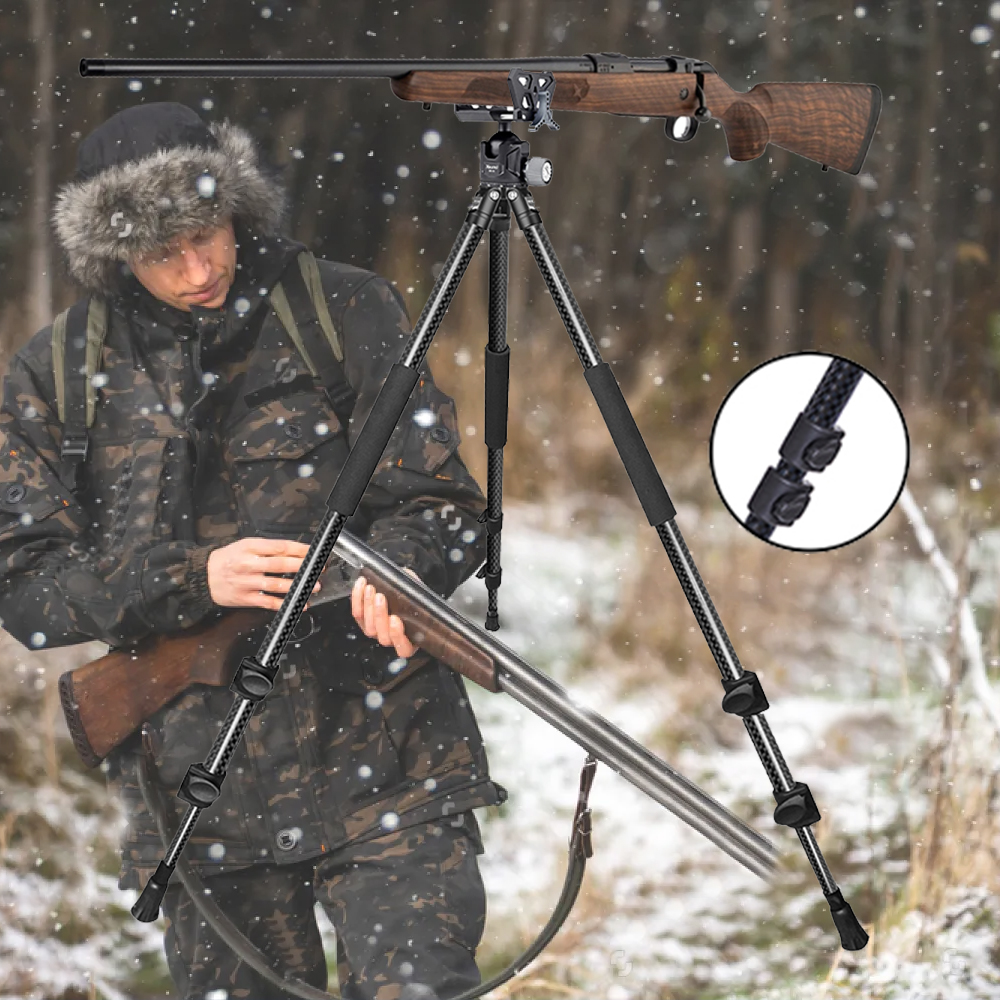
So, what exactly is driving the demand for this specific configuration? First and foremost is the integration of the Gun clamp saddle. Unlike traditional V-yokes that merely support the forend of a rifle, a true saddle actively clamps onto the chassis or stock. This hands-free stability allows a hunter to keep their weapon trained on a target while using binoculars or operating a rangefinder. It’s a game-changer that has transitioned from a niche tactical requirement to an absolute mainstream hunting necessity. Buyers are specifically looking for saddles with Arca-Swiss compatibility and heavy-duty tension knobs.
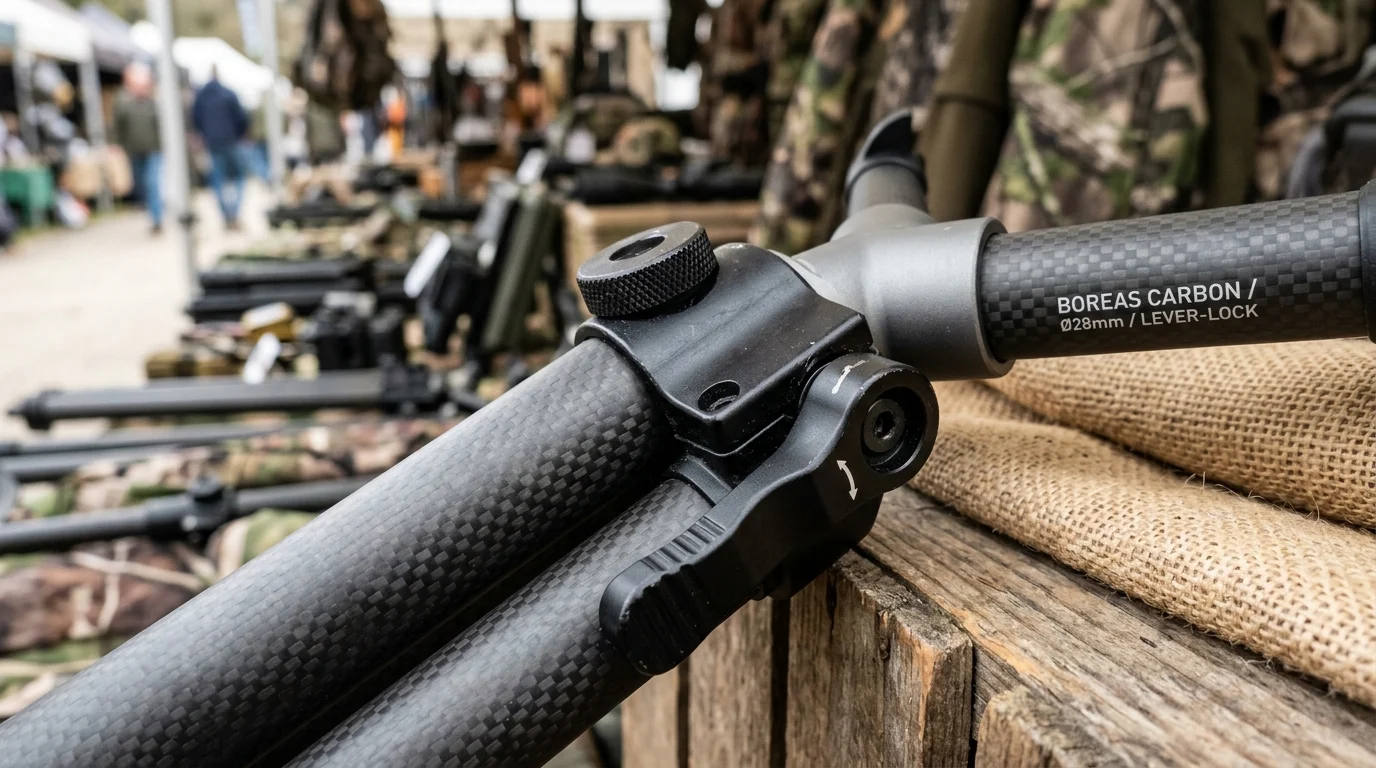
The second massive demand driver is the locking mechanism. End-users have loudly voiced their frustration with traditional twist-lock legs. In muddy, freezing, or wet conditions, twist locks can seize up, slip, or become impossible to operate with thick winter gloves. This is why the market is aggressively pivoting toward the Outer clamp locking system. These flip-lever locks offer visual confirmation that the leg is secure and can be adjusted with a simple flick of the thumb. Field tests consistently show that outer clamp systems allow for deployment that is up to 30% faster than twist locks, which is a critical performance metric when a target is moving quickly through dense brush.
Supplier landscape
When we look at the supplier landscape for these premium tripods, we see a highly concentrated market. The vast majority of top-tier carbon fiber weaving and tripod assembly happens in specialized manufacturing hubs in Asia, particularly those with a long history of producing high-end photography and cinematography equipment. These factories possess the expensive autoclaves and multi-axis CNC machinery required to produce 10-layer carbon tubes and aerospace-grade aluminum saddles without introducing micro-fractures or structural weaknesses.
For B2B buyers, navigating this landscape requires understanding standard procurement metrics to separate the real manufacturers from the trading companies. If you want custom OEM branding and specific anodized colors on these premium units, you should expect Minimum Order Quantities (MOQs) to range between 200 and 500 units per production run. Because the carbon fiber curing process and the CNC machining of the saddle components are highly time-intensive, standard lead times hover around 45 to 60 days, excluding ocean freight. If a supplier promises a 15-day turnaround on a custom 500-unit order, that is a massive red flag—they are likely selling you off-the-shelf, lower-grade stock with 6-layer carbon rather than manufacturing fresh, high-density 10-layer tubes.
Implementation and compliance
Once you’ve identified the right market fit and found potential factory partners, the real work begins: implementation and compliance. Bringing a high-ticket item into your inventory carries inherent risk. If a $300 to $400 tripod fails in the field, the customer isn’t just going to ask for a refund; they are going to blast your brand on social media and across specialized hunting forums. In the premium gear space, reputation is everything, and a single bad batch can burn a bridge with your most lucrative demographic.
To protect your investment and ensure you are actually receiving the premium quality you paid for, you must establish rigorous technical specifications and a strict operational workflow. We cannot rely on supplier promises or glossy catalog photos; we have to rely on quantifiable data, third-party testing, and ironclad purchase agreements that dictate acceptable defect thresholds. Let’s outline the specific technical requirements you need to demand, and the operational checklist you should use to audit every shipment.
Key requirements
The technical requirements for a premium shooting tripod are significantly more demanding than those for a standard photography tripod. First, let’s talk about the carbon fiber itself. Your purchase orders must explicitly specify 10-layer (often referred to as 10X) cross-woven carbon fiber. Anything less, such as 6-layer or 8-layer tubes, will flex under the recoil of heavy calibers like .300 Win Mag or .338 Lapua. The main top-tube diameter should be no less than 32mm to 36mm to guarantee a minimum static load rating of 25 kilograms. You must also insist on Type III hard-coat anodizing for all aluminum parts on the saddle to prevent corrosion from rain and sweat.
Environmental compliance is another critical factor. These tripods will be used in extreme conditions, from the freezing peaks of Alaska to the scorching deserts of Texas. Your supplier contract must stipulate that the internal tension springs and locking levers operate flawlessly across a temperature gradient of -20°C to +60°C. Furthermore, the assembled unit must pass a 1.5-meter drop test onto concrete without the saddle mechanism cracking, the ball head binding, or the carbon tubes splintering. Your target defect rate for incoming shipments must be aggressively negotiated to sub-1%, with clear financial penalty clauses in your PO if a batch exceeds this threshold upon inspection.
Operational checklist
To operationalize this sourcing strategy, I always recommend that my buying teams use a standardized vetting and QA checklist. This removes the emotion from the purchasing decision and ensures every single batch is held to the exact same standard. You should be conducting third-party inspections (like SGS, TUV, or equivalent) before the container ever leaves the port of origin. Do not wait until the goods arrive in your local warehouse to discover a manufacturing flaw.
Here is the operational checklist we use to verify that a supplier’s premium tripods meet our strict B2B inventory standards before authorizing the final balance payment:
| QA Criterion | Target Metric / Standard | Verification Method |
|---|---|---|
| Carbon Fiber Density | 10-layer cross-weave, min 32mm top tube | Cross-section analysis on random sample units |
| Load Bearing Capacity | 25 kg static load for 24 hours | Factory weight-hang test (video documented) |
| Locking Mechanism | Outer clamp style, 30 lbs clamping force | Dynamometer pull test on locked legs |
| Temperature Tolerance | Fully functional from -20°C to +60°C | Environmental chamber cycling (12 hours) |
| Saddle Machining | CNC 6061-T6 Aluminum, Type III hard-coat | Material certs & scratch resistance test |
| Batch Defect Rate | < 1.0% per 500-unit OEM order | Pre-shipment AQL 1.5/4.0 independent inspection |
Conclusion
We’ve covered the evolution of the market, the specific mechanical features that drive consumer demand, and the rigorous quality control required to source these items successfully. Making the leap from stocking basic, entry-level accessories to offering professional-grade stabilization platforms is a significant move for any retail or distribution business. It requires more upfront capital, longer lead times, and a much more sophisticated approach to supply chain management and quality assurance.
However, the financial rewards far outweigh the growing pains. By elevating your product offerings, you elevate your entire brand perception in the marketplace. Customers who buy premium tripods are also the ones buying high-end optics, expensive precision ammunition, and premium technical apparel. They are the high-lifetime-value customers you want walking through your doors or logging into your website. When you provide them with gear that genuinely enhances their success rate in the field, you secure their business for years to come.
Decision takeaway
The ultimate decision to add a premium Hunting shooting stick to your inventory comes down to a simple ROI calculation. Moving away from a $50 aluminum bipod that yields a $10 profit per unit, and transitioning to a $300 to $400 carbon fiber system that yields a $120 to $160 profit per unit, fundamentally changes your business model. You move fewer boxes to make significantly more money, reducing your warehousing footprint, shipping costs, and handling overhead in the process. Because carbon fiber is incredibly lightweight, your inbound freight costs per unit are also optimized compared to importing heavy steel or solid aluminum goods.
Furthermore, because these 10-layer carbon systems boast a functional lifespan of 3 to 5 years even under heavy, abusive field use, you build immense trust with your buyer base. They will remember who sold them the gear that didn’t fail on their once-in-a-lifetime hunt or during a critical PRS match. If you are a B2B buyer looking to secure your margins, lower your return rates, and dominate the premium accessory category this year, prioritizing carbon fiber tripods with robust outer clamp systems and CNC-machined saddles is one of the smartest strategic plays you can make for your inventory.
相关阅读:Shooting stick
Key Takeaways
- The most important conclusions and rationale for Why B2B Buyers Prefer Carbon Fiber Tripod Hunting Shooting Stick with Outer Clamp Locking System and Gun Clamp Saddle for Premium Inventory
- Specs, compliance, and risk checks worth validating before you commit
- Practical next steps and caveats readers can apply immediately
Frequently Asked Questions
Why do B2B buyers choose this carbon fiber tripod over standard aluminum shooting sticks?
It offers lower carry weight, higher load capacity, and better recoil dampening, which supports premium pricing and fewer customer complaints.
How does the outer clamp locking system help retailers and distributors?
It speeds leg adjustment, improves lock reliability in the field, and reduces returns linked to slipping or failed twist-lock joints.
What rifles can the gun clamp saddle support?
It is suited for heavy hunting and precision rifles, including magnum and chassis setups, because the tripod system is built for high payload stability.
Why is this tripod a strong premium inventory item for hunting and shooting dealers?
It fits the buy-once demand, carries higher margins than budget sticks, and attracts serious shooters who also purchase premium optics and accessories.
What should wholesale buyers confirm before ordering this tripod model from the product page?
Check load rating, carbon fiber tube construction, clamp compatibility, MOQ, and packaging details to match your market and reduce after-sales issues.
Post time: Jun-12-2026