Automatic Trigger Quick Monopod Sticks Sourcing Guide
Market Demand and Buyer Segments
 The global procurement landscape for stabilization equipment has seen a significant shift toward rapid-deployment solutions, driving sustained wholesale interest in Automatic trigger quick MONOPOD sticks. These devices, which allow users to instantly adjust height with a single-handed trigger mechanism or remotely activate a camera shutter, bridge a critical gap between traditional tripods and static shooting sticks. For B2B buyers, understanding the multifaceted demand across various verticals is essential for optimizing inventory and maximizing return on investment.
Market analysis indicates that professional and recreational users alike increasingly prioritize speed, portability, and ease of use. Consequently, procurement teams must source versatile models that cater to diverse environmental conditions. Whether the end-use involves rugged outdoor environments or controlled studio settings, the fundamental requirement remains consistent: reliable, instantaneous deployment.
By analyzing specific buyer segments and commercial factors, distributors can better align their product portfolios with market expectations. The commercial viability of these products is heavily influenced by their integration into broader equipment ecosystems, making cross-compatibility a key driver of wholesale demand.
Wholesale demand across photography, outdoor, and promotional channels
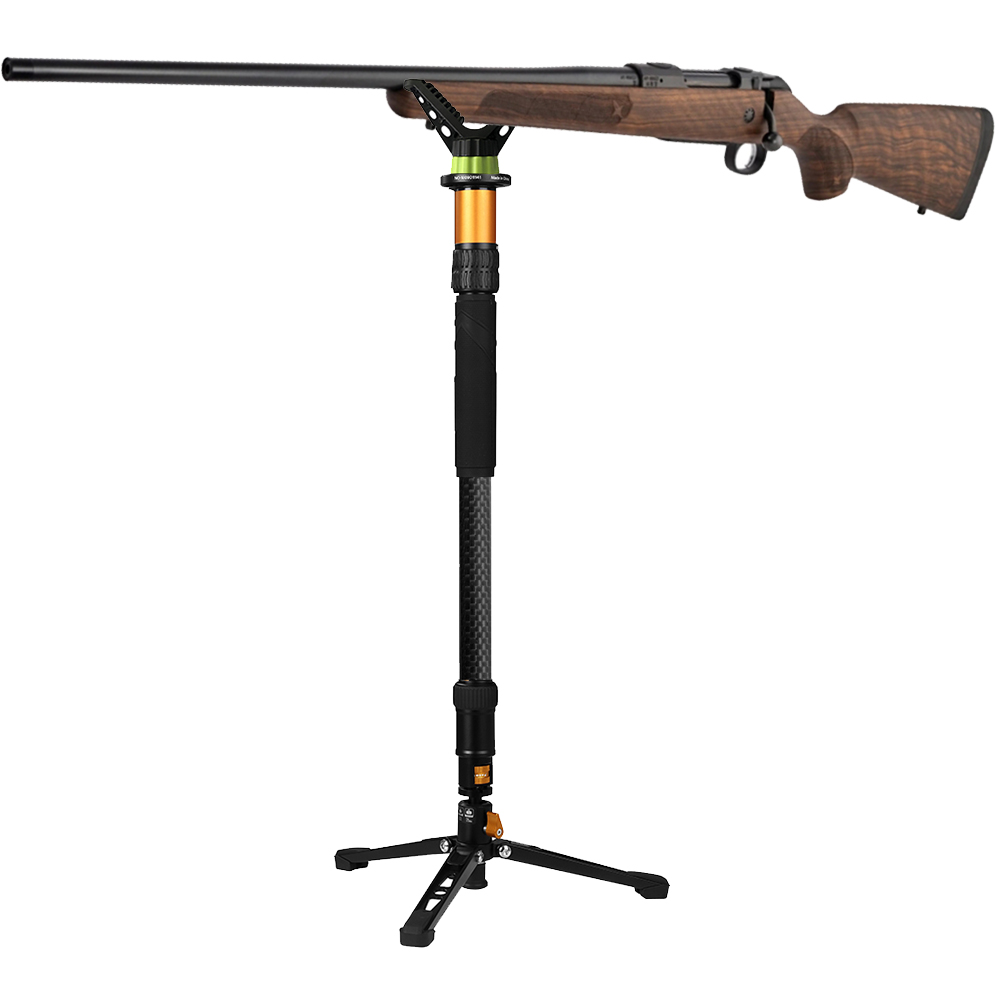
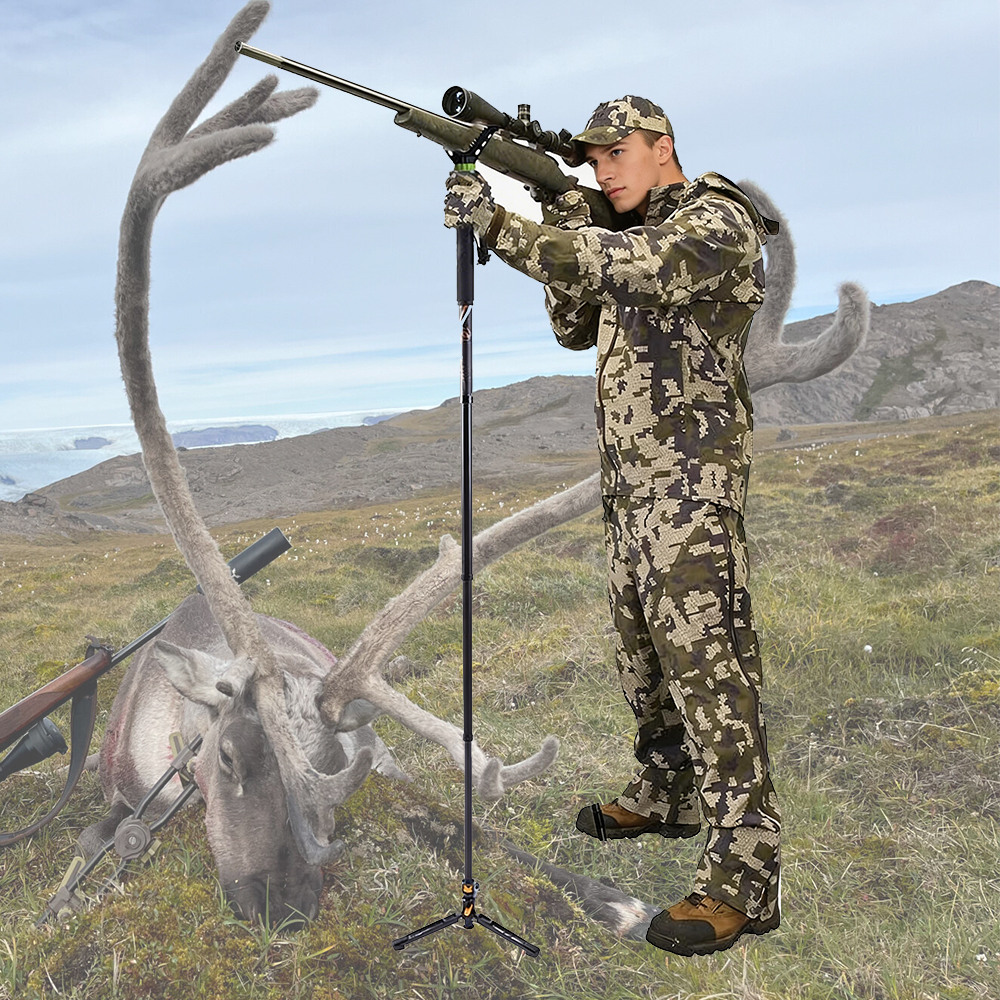
Demand for these specialized monopods is highly segmented. In the outdoor and hunting sectors, mechanical trigger sticks that instantly adjust to uneven terrain are critical for weapon stabilization. Conversely, the photography and videography channels demand electronic trigger integration, allowing content creators to manage shutter controls seamlessly. Furthermore, the promotional channel frequently sources entry-level, lightweight variants for corporate gifting and event giveaways, requiring high-volume, low-cost procurement strategies.
Key buyer segments: distributors, importers, private label brands, and OEM resellers
The B2B ecosystem comprises several distinct buyer profiles. Large-scale distributors and importers typically seek standardized, high-turnover SKUs to supply big-box retailers and regional wholesalers. Private label brands focus on product differentiation, requiring mid-to-high-tier models with customizable grips, bespoke colorways, and branded packaging. OEM resellers, on the other hand, engage directly with manufacturers to develop proprietary trigger mechanisms and structural designs, ensuring exclusivity in highly competitive markets.
Commercial factors: price bands, turnover, margins, and replacement cycle
Procurement strategies must account for distinct price bands and their corresponding commercial metrics. Entry-level promotional models yield lower margins but benefit from high turnover and short replacement cycles (typically 6-12 months). Mid-tier professional models offer healthier margins of 30-50% for distributors, with replacement cycles extending to 2-3 years. High-end carbon fiber variants command premium pricing, delivering the highest per-unit margin, though they experience slower inventory turnover.
| Quality Tier | Target Channel | Estimated Gross Margin | Typical Replacement Cycle |
|---|---|---|---|
| Entry-Level | Promotional / Mass Retail | 15% – 25% | 6 – 12 Months |
| Mid-Tier | Specialty Outdoor / Photography | 30% – 50% | 1 – 3 Years |
| Premium | Professional / OEM Exclusive | 45% – 65% | 3 – 5 Years |
Product Specifications and Configurations
Selecting the appropriate technical specifications is paramount when sourcing Automatic trigger quick MONOPOD sticks. The architecture of these devices varies significantly based on their intended application, ranging from purely mechanical height-adjustment triggers to sophisticated electronic shutter controls. Procurement teams must rigorously evaluate the bill of materials (BOM) to ensure the product meets the stringent durability and performance standards expected by professional end-users.
The handle mechanism is arguably the most critical component, as it houses the trigger system. For mechanical height-adjustment models, the internal friction locks and spring tensions must withstand repeated, forceful use without jamming or slipping under heavy loads. For photography-focused models, the integration of electronic components requires careful consideration of battery life, signal latency, and weatherproofing.
Furthermore, structural integrity cannot be compromised. The choice of tube material directly impacts the product’s weight, rigidity, and cost, thereby dictating its position within the market hierarchy. Buyers must balance these specifications against target price points to achieve optimal commercial outcomes.
Common configurations: Bluetooth, wired trigger, detachable remote, foldable, telescopic
Configurations vary widely to meet specific operational needs. Electronic variants frequently feature Bluetooth connectivity with detachable remotes, allowing for versatile off-camera control, or wired triggers that offer zero-latency reliability without battery dependence. Structurally, telescopic designs with rapid-deployment flip locks or twist locks are standard, while foldable, multi-section models cater to the ultra-compact travel segment, prioritizing portability over maximum load capacity.
Core specifications: materials, length, load capacity, battery type, handle mechanism
Material selection typically revolves around extruded aluminum alloys (cost-effective, durable) and carbon fiber (lightweight, premium). Lengths generally range from a collapsed 18 inches to an extended 65 inches. Load capacity is a vital metric; heavy-duty outdoor models must support upwards of 15 lbs, whereas mobile photography models may only need a 2 lb capacity. Electronic models must specify battery types (e.g., rechargeable lithium-polymer vs. replaceable CR2032 coins), while the handle mechanism must be ergonomically designed with robust internal springs.
Product classification by use case, quality tier, and sales channel
Products are typically classified into three tiers. Consumer-grade models utilize ABS plastics and thin-walled aluminum, suited for e-commerce and mobile photography. Prosumer models incorporate thicker aluminum, weather-sealed electronic triggers, and enhanced grips, targeting specialty camera stores. Professional/Tactical grades employ carbon fiber, heavy-duty mechanical height triggers, and stainless-steel hardware, distributed exclusively through specialized outdoor, hunting, and professional cinema channels.
Supplier Comparison Criteria
Evaluating manufacturers of Automatic trigger quick MONOPOD sticks requires a systematic approach to ensure long-term supply chain stability. B2B buyers must look beyond initial unit costs and assess the holistic capabilities of potential factory partners. A supplier’s ability to consistently meet quality standards while navigating complex customization requests is often the defining factor in a successful procurement program.
It is crucial to distinguish between direct manufacturers and trading companies. While trading companies may offer broader catalogs and lower Minimum Order Quantities (MOQs), direct manufacturers provide greater control over the BOM, superior technical support for OEM projects, and more transparent quality control processes. Buyers should prioritize suppliers with a proven track record in precision engineering and metal fabrication.
Additionally, the supplier’s geographic location and proximity to raw material hubs can significantly impact lead times and freight costs. Comprehensive supplier comparison must integrate these logistical considerations alongside strict quality and commercial metrics.
Supplier evaluation: unit cost, MOQ, lead time, defect rate, customization
Key performance indicators for supplier evaluation include the base unit cost relative to material specifications and the required MOQ, which typically ranges from 500 to 2,000 units. Standard lead times should be benchmarked between 30 to 45 days post-deposit. Procurement teams must demand historical defect rate data (targeting <1.5%) and assess the supplier’s capability for customization, including custom tooling, anodizing colors, and proprietary trigger designs.
Material options: aluminum alloy, stainless steel, and composites
The choice of materials drastically affects the quotation. Aluminum alloy (commonly 6061 or 7075) offers an excellent strength-to-weight ratio for mid-tier markets. Stainless steel is often reserved for internal trigger mechanisms and critical load-bearing joints to prevent corrosion and wear. High-end composites and carbon fiber tubes reduce overall weight by up to 30% but can increase the BOM cost by 40-60%, necessitating careful market positioning.
Packaging and accessory variables that affect quotation value
Quotations are heavily influenced by packaging and included accessories. Standard bulk polybag packaging minimizes costs but offers little retail appeal. Upgrading to full-color retail display boxes, EVA foam inserts, or custom nylon carrying cases adds measurable cost per unit. Additionally, bundling accessories such as interchangeable rubber feet, smartphone clamps, or specialized mounting studs can significantly increase the perceived value and the final factory quotation.
Sourcing and Supplier Verification
Risk mitigation is a cornerstone of global procurement, particularly when sourcing complex mechanical or electronic assemblies like Automatic trigger quick MONOPOD sticks. Effective supplier verification ensures that the chosen partner possesses the actual manufacturing capacity, quality management systems, and financial stability required to fulfill large-scale B2B orders. Relying solely on digital storefronts without rigorous due diligence exposes importers to significant quality and delivery risks.
The verification process should begin with a comprehensive review of the supplier’s business licenses, export certifications, and ISO 9001 compliance. Buyers must identify whether the core manufacturing processes—such as tube extrusion, CNC machining of the trigger components, and final assembly—are handled in-house or subcontracted. High levels of subcontracting can lead to inconsistent quality and intellectual property vulnerabilities.
Furthermore, physical or third-party audits are indispensable. These audits provide verifiable insights into factory floor conditions, workforce stability, and the rigor of inline quality control protocols, establishing a foundation for a reliable, long-term trade relationship.
Screening manufacturers for capability, subcontracting, and specialization
Effective screening involves analyzing a factory’s production lines to verify specialization in stabilization equipment rather than generic metalworking. Buyers should request equipment lists to confirm the presence of precision CNC machines and automated assembly tools. Identifying the extent of subcontracting is vital; suppliers who outsource the critical trigger assembly or electronic PCB manufacturing pose a higher risk of quality fade over successive production runs.
Audit, sampling, and pre-shipment inspection checkpoints
Before committing to mass production, buyers must execute a rigorous sampling phase to test trigger responsiveness, locking strength, and material finish. Factory audits should evaluate incoming raw material inspection, inline QC, and final product testing. Pre-shipment inspections (PSI) must be mandated using standard Acceptable Quality Limit (AQL) parameters (e.g., AQL Level II, Critical 0, Major 1.5, Minor 4.0) to ensure the batch meets approved sample standards.
Negotiating MOQ, sample charges, payment terms, warranty, and after-sales support
Negotiations should aim to balance risk and capital efficiency. Buyers can often negotiate lower initial MOQs for trial orders by absorbing higher sample charges, which are later credited against mass production invoices. Standard payment terms are typically 30% T/T deposit and 70% against the Bill of Lading, though established relationships may yield Letters of Credit (L/C) or Net 30 terms. Clear warranty terms (usually 12-24 months) and procedures for claiming defective unit credits must be codified in the purchasing agreement.
Compliance and Quality Control
Navigating the regulatory landscape is a non-negotiable aspect of importing Automatic trigger quick MONOPOD sticks. Depending on the specific configuration—particularly whether the product incorporates electronic Bluetooth triggers or relies solely on mechanical systems—different international compliance standards will apply. Failure to secure the appropriate certifications can result in customs seizures, delayed shipments, and significant financial losses.
Quality control (QC) extends beyond simple visual inspections; it requires quantifiable testing metrics. For mechanical trigger sticks used in rugged outdoor applications, drop tests, salt-spray tests for corrosion resistance, and load-bearing stress tests are mandatory. For electronic models, battery safety and radio frequency interference become the primary compliance focus.
Procurement departments must require suppliers to provide comprehensive technical files and declarations of conformity before shipment. Maintaining a robust documentation trail not only facilitates smooth customs clearance but also protects the importer against potential liability claims in the destination market.
Market-specific compliance for electronic trigger models
Models featuring Bluetooth or wireless electronic triggers must comply with strict regional regulations. For the European market, CE marking and adherence to the Radio Equipment Directive (RED) are mandatory. In the United States, FCC Part 15 certification is required to regulate radio frequency emissions. Additionally, electronic components must comply with RoHS and REACH directives, ensuring the absence of restricted hazardous substances in the manufacturing process.
Testing and documentation: battery reports, material declarations, labeling, quality records
If the monopods contain lithium batteries, suppliers must provide UN38.3 test reports and Material Safety Data Sheets (MSDS) to authorize air and sea freight. Material declarations are necessary to prove compliance with environmental standards. Proper labeling, including traceability lot codes, WEEE disposal symbols for electronic variants, and origin markings, must be verified on both the product and the retail packaging during the QC process.
Acceptance standards for trigger response, locking strength, finish, and packaging
Acceptance criteria must be explicitly defined in the QC checklist. The trigger response must be instantaneous, with no sticking or delayed retraction of the locking pins. Locking strength is tested by applying a static weight (e.g., 120% of the rated load capacity) to ensure no vertical slippage occurs. Finish inspections check for uniform anodizing, absence of CNC tooling marks, and secure grip adhesion. Packaging is subjected to ISTA transit drop tests to guarantee the product arrives undamaged.
| Inspection Category | Testing Method | Acceptance Criteria |
|---|---|---|
| Trigger Mechanism | Actuate trigger 500 times | Zero jamming; consistent spring tension |
| Locking Strength | Apply 1.2x max rated load | Zero slippage after 60 minutes |
| Surface Finish | Visual inspection (AQL standards) | Uniform color; no scratches or burrs |
Packaging, Logistics, and Landed Cost
Optimizing the logistics and supply chain mechanics for Automatic trigger quick MONOPOD sticks is critical for maintaining profitable margins. The physical dimensions of these products, particularly telescopic models that may remain relatively long even when collapsed, pose specific challenges for freight efficiency. Importers must work closely with suppliers to engineer packaging that minimizes dimensional weight without compromising structural protection during transit.
Calculating the true landed cost requires a comprehensive model that accounts for every variable from the factory floor to the destination warehouse. Fluctuations in ocean freight rates, changes in international tariff schedules, and the specific classification codes used during customs entry can drastically alter the final cost per unit.
Furthermore, products containing electronic components and batteries are subject to stringent hazardous materials shipping regulations. Procurement teams must strategically select their freight modes—balancing the urgency of inventory replenishment against the high costs of air freight—to maintain an optimized and cost-effective supply chain.
Carton planning for freight efficiency and pallet configuration
Efficient carton planning directly impacts shipping costs. Master cartons should be designed to maximize the internal volume of standard 20ft or 40ft HQ shipping containers. Suppliers should utilize 3D load planning software to determine the optimal pallet configuration, ensuring that cartons do not overhang and are securely stretch-wrapped. Minimizing dead space within individual retail boxes and master cartons reduces dimensional weight charges, which is especially critical for air freight.
Sea, air, and express shipping options for products with electronic components
Sea freight (FCL or LCL) is the most cost-effective method for bulk mechanical monopods. However, models with integrated lithium batteries face strict regulations under the IMDG Code for sea freight and IATA regulations for air freight. Air freight and express couriers (e.g., DHL, FedEx) require proper UN38.3 documentation and specialized battery handling labels. Buyers must factor in the additional handling fees and potential delays associated with shipping electronic goods.
Landed cost model: duties, packaging, inspection, damage allowance, and channel margin
A robust landed cost model aggregates the FOB factory price, international freight, cargo insurance, and destination port charges. Importers must accurately classify the goods under the correct Harmonized System (HS) code (e.g., under photographic equipment or specialized outdoor gear) to calculate applicable import duties. The model must also account for third-party inspection fees, a standard 1-2% damage/defect allowance, and the necessary margin required to support the target wholesale channel strategy.
Channel Strategy and Private Label Options
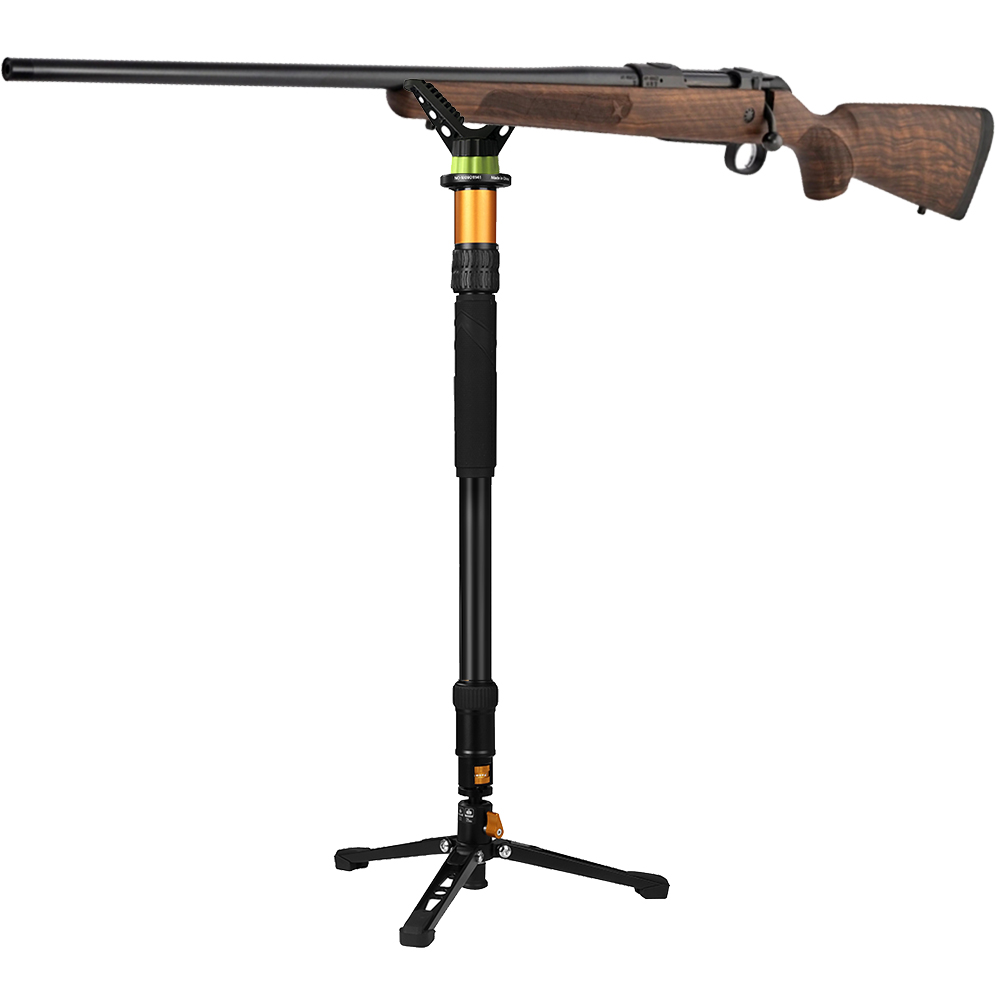
Developing a robust go-to-market strategy for Automatic trigger quick MONOPOD sticks requires a clear understanding of distribution channels and brand positioning. B2B importers must decide whether to distribute generic, factory-branded products, or invest in private label and OEM development to build long-term brand equity. The chosen strategy will dictate the level of investment required in customization, marketing, and inventory depth.
Private labeling offers a pathway to higher margins and customer loyalty by differentiating the product from commoditized competitors. This involves more than simply printing a logo on an existing SKU; it requires strategic localization of packaging, user manuals, and accessory bundles to meet the specific expectations of the target demographic.
OEM development takes this a step further, allowing brands to engineer proprietary features, such as unique grip ergonomics or specialized rapid-deployment locking mechanisms. While this requires higher upfront capital and longer lead times, it ultimately provides a defensible market position against low-cost competitors.
Best-fit sales channels for distributors and resellers
The optimal sales channel depends on the product tier. High-end mechanical trigger sticks excel in specialized B2B channels, such as tactical gear distributors, hunting outfitter networks, and professional cinema equipment rental houses. Mid-tier electronic models are best suited for consumer electronics distributors and large-scale photographic e-commerce platforms. Entry-level models find the most traction through promotional product distributors and mass-market retail chains.
Branding, localization, and bundle strategy to improve sell-through
Effective branding requires localizing the product experience. This includes translating user manuals into regional languages, ensuring compliance marks are visible, and designing retail packaging that resonates with local aesthetics. Bundling strategies—such as pairing the monopod with premium smartphone mounts, carrying cases, or interchangeable terrain feet (e.g., spikes for outdoor, rubber for studio)—significantly enhance perceived value and accelerate sell-through rates at the retail level.
Choosing between stock SKUs, semi-custom programs, and full OEM development
Buyers must evaluate their capital and timeline constraints. Stock SKUs offer rapid time-to-market and low MOQs, ideal for testing market demand. Semi-custom programs allow for bespoke colors, logo laser-engraving, and custom packaging with moderate MOQs (typically 500-1,000 units). Full OEM development involves opening new injection molds and CNC tooling for proprietary designs; this requires significant investment (tooling fees) and high MOQs (2,000+ units) but secures exclusive market rights.
Key Takeaways and FAQs
Successfully sourcing Automatic trigger quick MONOPOD sticks demands a rigorous, multi-disciplinary approach. Procurement professionals must balance technical specifications, supplier capabilities, regulatory compliance, and logistical efficiency to build a resilient supply chain. By prioritizing thorough due diligence and clear communication with manufacturing partners, importers can mitigate risks and secure high-quality products that meet the exacting demands of their target markets.
As the market continues to evolve, staying informed about material innovations and regulatory changes will remain critical. Buyers should continuously refine their supplier evaluation criteria and landed cost models to maintain a competitive edge. The following frequently asked questions address the most common concerns encountered during the procurement process.
Priority checkpoints for supplier, specification, compliance, and logistics review
Prioritize verifying the supplier’s manufacturing focus and in-house capabilities. Ensure specifications clearly define material grades, load capacities, and trigger endurance. For compliance, demand FCC/CE and UN38.3 documentation for electronic models prior to order confirmation. Logistically, mandate 3D carton planning to optimize dimensional weight and require strict AQL-based pre-shipment inspections to guarantee batch consistency.
Typical MOQ for OEM and private label orders
For standard private label orders involving logo engraving and custom packaging on existing designs, MOQs generally range from 500 to 1,000 units. For full OEM projects requiring custom tooling and proprietary trigger mechanisms, factories typically require an MOQ of 2,000 to 3,000 units to offset the setup costs and operational downtime associated with new production lines.
Handling quality claims, replacement ratios, and warranty terms
B2B contracts should explicitly define warranty terms, typically covering manufacturing defects for 12 to 24 months. Procurement teams should negotiate a standard defect replacement ratio, often requesting that suppliers include 1% to 2% spare units (or spare parts like trigger springs and locks) with the main shipment to handle immediate local warranty claims, thereby avoiding the high cost of returning individual defective units to the factory.
Key Takeaways
- Wholesale sourcing and supply-chain implications for Automatic trigger quick MONOPOD sticks
- Specifications, compliance, and commercial terms buyers should validate
- Actionable recommendations for distributors and procurement teams