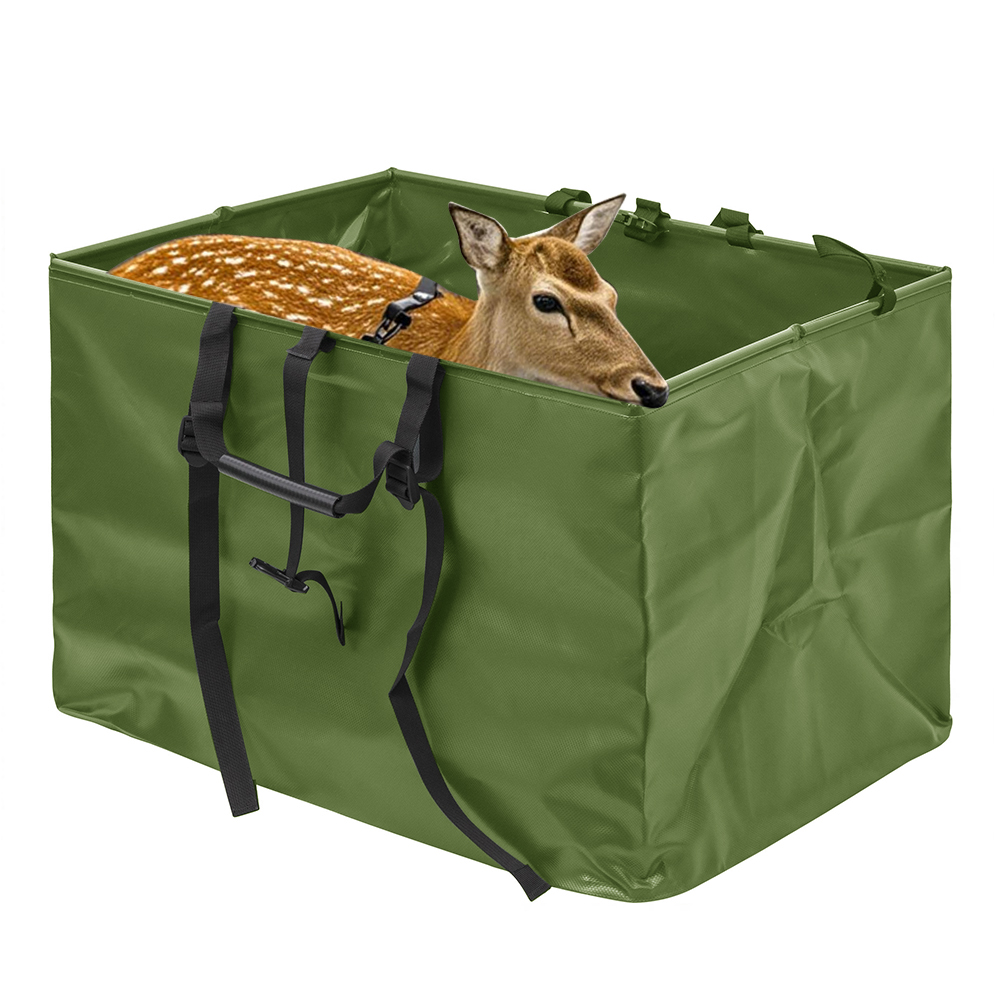
 For outdoor brands and importers, game transport gear is not just another hunting accessory—it is a high-stakes product category where durability, load capacity, and field performance directly affect customer trust. A failed wheel, torn bag, or weak frame can turn a successful hunt into a costly brand problem. This article examines how working directly with Chinese factory suppliers can help buyers lower landed costs, improve margins, and build more differentiated products, from folding game bags to heavy-duty carts. It also looks beyond price, covering supplier selection, quality control, MOQs, logistics, compliance, and risk management so buyers can turn sourcing decisions into a stronger competitive advantage.
Benefits of Sourcing Hunting Game Transport Products from China
If you are a buyer for a mid-size outdoor brand, you already know that moving heavy game out of the backcountry is a massive pain point for hunters. Over the years, brands have tried to solve this with everything from flimsy plastic sleds to over-engineered, heavy motorized carts. But when you look at the bottom line of building a successful product portfolio, sourcing these items directly from overseas is often the most viable way to keep retail prices competitive while maintaining healthy margins. While alternative manufacturing geographies like Vietnam (often favored for textiles) and Taiwan (known for high-end aluminum) are growing in popularity, China remains highly competitive for this specific niche due to its unparalleled, deeply integrated component ecosystem that combines both metalwork and heavy-duty sewing.
Depending on product complexity, volume, and region, supply chain industry reports commonly note that outdoor brands typically increase their gross margins by 30% to 45% when they make the leap from buying through domestic wholesalers to going factory-direct overseas. This isn’t just about finding the cheapest labor; it is about tapping into mature supply chains where steel tubing, heavy-duty textiles, and injection-molded plastics are all produced within a 50-mile radius in manufacturing hubs like Zhejiang or Guangdong. This guide walks through exactly how to leverage these manufacturing ecosystems to build better, more profitable game transport gear.
Define the Right Product Category
Before getting into the weeds of supplier negotiation, sourcing professionals must lock down exactly what they are trying to build. The game transport category is surprisingly broad, and failing to define your niche will lead to mismatched supplier partnerships. Are you looking for heavy-duty steel wheeled carts for elk, lightweight aluminum frames for whitetail deer, or heavy-denier fabric drag bags? Each of these requires a completely different core manufacturing capability.
For example, a reliable factory setup—such as the facilities producing equipment like this specialized transport gear (linked for illustrative purposes)—might involve CNC tubular metal bending, specialized TIG welding, and heavy-duty textile stitching all under one roof. If you don’t define the category tightly—say, focusing specifically on wheeled folding carts rather than just general ‘hunting accessories’—you risk partnering with a supplier who outsources the core components they cannot make themselves, which ultimately degrades your quality control.
Identify Key Buyer Advantages
The financial and operational advantages of being the direct buyer are hard to overstate. First and foremost is unit cost reduction. When you bypass domestic distributors and local agents, you are stripping out multiple layers of middleman markup that eat directly into your profitability.
While the unit cost reduction is significant, buyers must also account for realistic “switching costs.” Moving from domestic wholesale to factory-direct requires upfront capital for travel, sampling, audits, and potential miscommunication errors, which can offset early margin gains for low-volume buyers. Furthermore, factory-direct sourcing is often unsuitable for buyers without dedicated China staff or those with limited quality control (QC) bandwidth.
However, most established factories in this sector will work with a Minimum Order Quantity (MOQ) of around 500 units for a standard metal cart or heavy-duty sled. Once you can comfortably meet that 500-unit threshold, you unlock the ability to dictate custom powder-coat colors, add your own proprietary branding, and control your inventory flow directly. You are no longer just picking generic items from a catalog; you are actively building a defensible, cost-effective product line with superior unit economics.
Understand Factory-Direct Value
While the previous section highlights the financial math and volume requirements, understanding true factory-direct value means recognizing the immense product development and quality assurance advantages. The factory is your manufacturing partner, not just a transactional vendor. Direct relationships allow for rapid prototyping and much faster quality feedback loops. If a customer complains that a specific strap tore under a 150-pound load, a direct line to the factory means you can have them reinforce the cross-stitching on the very next production batch.
You lose this crucial agility when working through multiple intermediaries who relay communications through various third parties, which often distorts technical specifications. The true value lies in that direct, unfiltered communication channel. It allows you to scale up production seamlessly, implement rolling improvements based on field testing, and adapt to seasonal market demands much faster than competitors relying on static domestic wholesale catalogs.
Product Specifications That Affect Sourcing Value
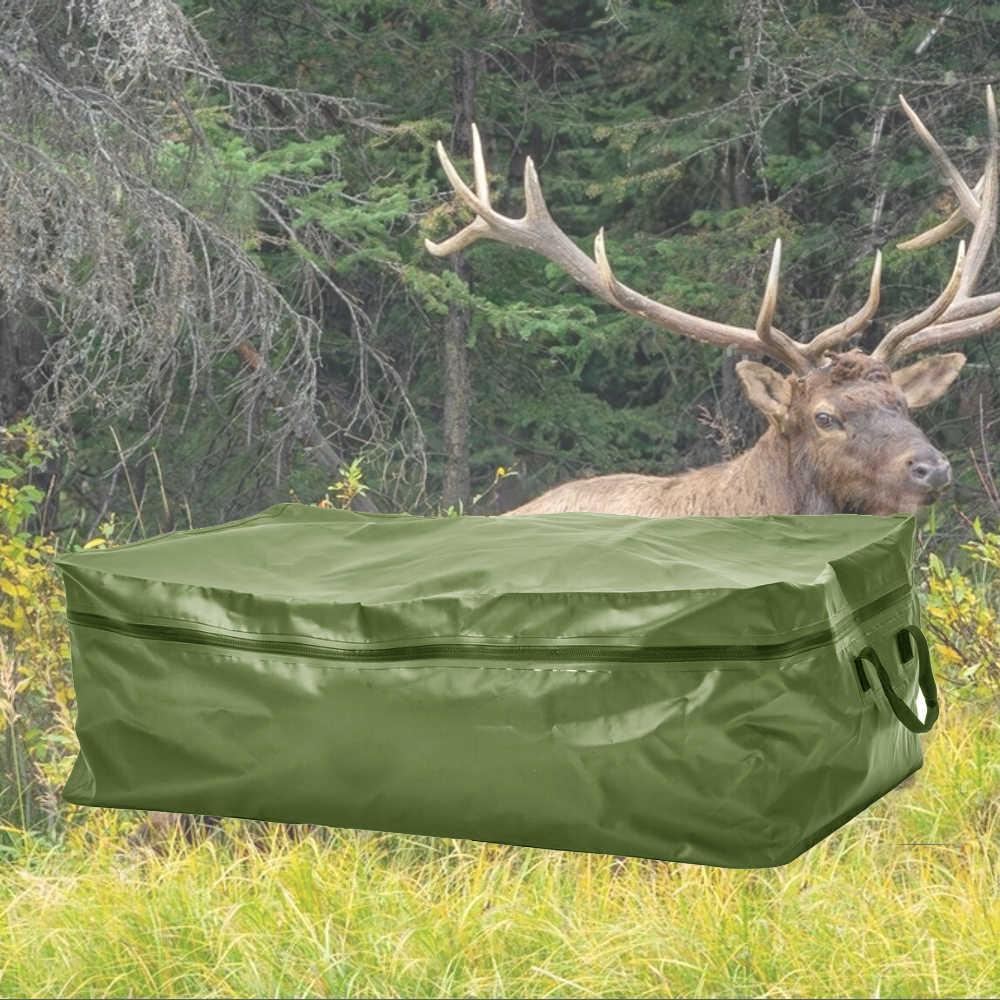 A great price on a terrible product is a fast track to a ruined brand reputation. It is essential to be obsessively specific about product specifications when dealing with overseas manufacturers. The Bill of Materials (BOM) dictates everything from your factory cost to how well the product survives a rocky, muddy trail.
If you leave specifications vague, the factory will naturally choose the cheapest available materials to maximize their own margin. This isn’t malice; it is standard manufacturing practice. To prevent this, you must build a comprehensive tech pack. Let’s break down the exact technical specifications and tolerances you need to control to ensure your gear survives the backcountry.
Materials, Load Ratings, and Coatings
The backbone of any transport gear is its material composition. For carts, you are generally choosing between powder-coated carbon steel and aircraft-grade aluminum (like 6061 or 7075). Steel is cheaper and highly durable but heavier and prone to rust if deeply scratched. Aluminum is more expensive and lightweight, offering excellent natural corrosion resistance. Best practices dictate specifying a minimum static load rating for these frames—typically 500 lbs for standard deer carts and up to 750 lbs for heavy-duty elk or moose haulers.
Coatings matter immensely as well. Do not just ask for ‘painted’ metal on your PO. Mandate an anti-rust, UV-resistant powder coating with a verifiable thickness—typically a common industry standard of 60 to 80 microns. If you are sourcing a specific design, such as a foldable game carrier from a specialized supplier, ensuring the joints, hinges, and axles are properly coated and reinforced will prevent catastrophic structural failures when the user is miles away from their truck.
| Material Type | Performance Metric | Cost Index (1-10) | Corrosion Resistance | Best Application |
|---|---|---|---|---|
| Q235 Carbon Steel | 500 – 750 lbs (Static Load) | 4 | Low (Requires Coating) | Heavy-duty big game carts |
| 6061 Aluminum Alloy | 300 – 500 lbs (Static Load) | 7 | High | Lightweight backcountry haulers |
| 1000D Nylon Fabric | High Tear/Abrasion Strength | 3 | N/A | Drag bags and sled liners |
Wheels, Frames, and Folding Systems
Wheels and folding mechanisms are the most common points of failure observed in the field. Pneumatic (air-filled) tires offer a great, shock-absorbing ride, but they are highly susceptible to punctures from thorns, sharp rocks, and antlers. Because of this, specifying solid polyurethane (PU) or high-density EVA foam tires is highly recommended. You will typically want these in the 16-inch to 20-inch diameter range so they can easily roll over logs and trail obstacles.
As for the frame itself, the folding system must utilize heavy-duty locking pins. These pins and their retaining wires should be made of 304 stainless steel so they do not rust shut after a wet hunting season. A cart that can securely fold down to a profile of less than 6 inches thick is infinitely more attractive to a hunter trying to pack their truck bed efficiently.
Customization and Tooling Control
Tooling control is where you separate your brand from the generic white-label competitors flooding the market. If you want a proprietary wheel hub design, a specific molded plastic ergonomic handle, or unique extrusion profiles for your aluminum tubing, you will need to pay for custom tooling (molds). While these figures vary dramatically by product complexity, volume, and region, custom plastic injection molds for these smaller components generally run between typical ranges of $2,000 to $5,000 depending on the number of cavities, based on recent supplier quotes.
Buyers should clearly stipulate in their manufacturing contract that they own the mold outright once it is paid for. You should also require the factory to store it securely and prohibit them from using your custom tooling to supply your competitors. However, mold-ownership clauses and NNN agreements are practical deterrents, not absolute guarantees against design copying. To strengthen your position, you should explicitly register your patents and trademarks in China first. Beyond just molds, you must guard against broader IP theft by using strict Non-Disclosure, Non-Use, and Non-Circumvention (NNN) agreements. It is critical to have these drafted by China-based legal counsel, though buyers must remain realistic about the limitations of cross-border enforcement even when local counsel drafts the contracts. This level of customization and IP control is exactly how you build a defensible product.
China Factories vs. Trading Companies
A frequent question from sourcing teams is whether they should go straight to a manufacturer or use a trading company. There is a lot of misinformation out there claiming that trading companies are just parasites that eat your margins. That is not entirely true.
You absolutely must understand the difference in their business models to make the right choice for your supply chain. Typically, a trading company will add a 15% to 25% markup on top of the raw factory price. Let’s dive into when paying that premium is actually worth it, and when it is a complete waste of your sourcing budget.
Compare Factory-Direct and Intermediary Models
When dealing directly with a specialized wild-game transport bag manufacturer, you are talking to the people who actually cut the fabric, bend the tubing, and weld the steel. This factory-direct model offers the lowest possible unit cost and gives you granular control over the production process, QA standards, and ethical compliance.
However, direct factory communication can sometimes be a hurdle if the manufacturer lacks a dedicated, experienced English-speaking sales team. Intermediaries, or trading companies, excel at communication, project management, and customer service. They act as your sourcing agent on the ground, but the major trade-off is that you sacrifice transparency—you rarely know exactly which factory floor is actually producing your goods.
| Sourcing Model | Typical MOQ (Units) | Price Markup (%) | Communication Speed | Ideal Buyer Profile |
|---|---|---|---|---|
| Direct Factory | 500+ per SKU | 0% (Base Cost) | Variable (often slower) | Established brands with high volume |
| Trading Company | 50 – 200 per SKU | 15% – 25% | Fast and fluent | Startups testing multiple product lines |
Know When Trading Companies Are Useful
There are specific scenarios where using a trading company—or avoiding overseas sourcing altogether—is advantageous. For first-time buyers who cannot meet viable MOQs, lack dedicated overseas QC staff, or for products where current Section 301 tariffs and freight volatility completely erase the stated 30–45% margin advantages, a trading company or domestic wholesaler is often the safer route.
Additionally, if your business model requires sourcing 30 different SKUs—say, you want to sell game bags, hunting knives, LED headlamps, and tree stands all under one brand—but you only need 100 units of each, a specialized single-product factory will likely ignore your inquiry. A well-connected trading company can consolidate these small, diverse orders from multiple different factories into one single shipping container. They handle the complex, localized logistics of multi-factory sourcing and domestic Chinese freight. This makes them highly useful for retailers who are testing new product lines without the capital to commit to massive, factory-direct inventory requirements.
Review MOQ, Lead Time, and Payment Terms
If you decide to go factory-direct to maximize your profit margins, you need to be prepared for stricter business terms. Factories operate on thin margins and high volume, so they usually demand higher MOQs, often ranging from 300 to 500 units per color or style just to turn their machines on.
Lead times are also rigid; you should expect a standard 35 to 45 days for manufacturing, plus another 30 to 40 days for ocean freight. Payment terms are pretty standardized across the board in this industry: you will typically pay a 30% deposit via T/T (Telegraphic Transfer) to kick off production, and the remaining 70% balance is due after the goods are manufactured, inspected, and you receive a copy of the Bill of Lading.
Practical Steps to Source Reliable Suppliers
Finding a supplier on a massive B2B directory is incredibly easy; finding a reliable one that will consistently deliver quality is a completely different ballgame. It is notoriously difficult to verify true factory identity on B2B platforms, where trading companies frequently pose as manufacturers. Brands have lost tens of thousands of dollars because they wired a 30% deposit to a company that looked amazing online, but turned out to be a two-person middleman operation working out of a residential apartment.
To build a resilient and profitable supply chain, you need a systematic approach to vetting, sampling, and negotiating. A golden rule for outdoor gear is to aim for a major defect rate of less than 2.5% and a critical defect rate of absolutely 0%. Anything higher than that, and your customer service costs, returns, and negative reviews will entirely wipe out the savings you gained from overseas sourcing.
Shortlist and Verify Real Factories
The first step in any sourcing journey is ruthless shortlisting. When evaluating potential factories, immediately ask for their official business license and their ISO 9001 quality management certification. A quick check of their registered capital is a fantastic initial filter; while requirements vary by region and facility size, a standard benchmark to look for is a minimum of 1 million RMB (roughly $140,000 USD)—a figure frequently cited by sourcing agents as an indicator of a legitimate, established manufacturing operation rather than a fly-by-night shop.
To avoid middlemen disguised as manufacturers, cross-reference their export license scope to confirm they are legally licensed to manufacture goods rather than just trade them. Furthermore, always match the factory name on the ISO certificate to the sales entity receiving your funds. Beyond paperwork, request virtual factory tours via video call, or hire a local third-party auditor to spend a day at the facility. You want to see their welding stations, fabric cutting machines, powder-coating lines, and final assembly areas with your own eyes. It is also crucial to verify the actual production lines during these audits, as even direct factories sometimes shift production to unvetted subcontractors without notice. If a supplier refuses a third-party audit, they should be immediately crossed off the list.
Approve Samples and Inspections
Never, under any circumstances, place a bulk production order without approving a golden sample first. If you are ordering a textile product like a foldable game bag, it is vital to test the stitching strength, scent-control material properties, zipper quality, and tear resistance of the fabric in real-world conditions. Once you approve this sample, you sign it, date it, and it becomes the absolute benchmark for your bulk production. This benchmark is critical to combat “quality fade”—a common risk where a supplier subtly downgrades materials in subsequent production runs to increase their margins.
Furthermore, mandating a third-party pre-shipment inspection using the internationally recognized AQL 2.5 standard for major defects (and AQL 0 for critical defects) is essential. This means an independent inspector visits the factory, pulls a statistical, randomized sample of the finished goods, and checks for defects before the container is allowed to be loaded. If the batch fails the AQL inspection, the factory must rework or replace the defective units on their own dime.
Negotiate Packaging, Spare Parts, and Support
Negotiation isn’t just about hammering down the unit price by a few cents; it is about securing the whole comprehensive package. Packaging is especially critical for heavy metal items that can easily destroy cardboard boxes. Insist on ISTA 1A drop-test certified packaging, usually requiring 5-ply corrugated master cartons with internal foam blocks to prevent the steel frames from punching through during transit.
Additionally, negotiate for 1% to 2% free spare parts to be included in the shipment. Request extra locking pins, axle caps, wheel bearings, and buckle straps. Field repairs are an unavoidable reality of hardcore hunting gear, and having factory-supplied spare parts on hand in your domestic warehouse will save you massive headaches and keep your customers happy.
Compliance, Logistics, and Total Landed Cost
You have negotiated a fantastic FOB (Free on Board) price, the goods are manufactured perfectly, and they have passed the AQL inspection with flying colors. You are done, right? Not even close. The final, and often most complex, hurdle involves getting the product from the factory floor to your warehouse legally and cost-effectively.
It is crucial to remember that the factory unit price is just one piece of the financial puzzle. Ignoring compliance regulations, underestimating logistics costs, and failing to accurately calculate your true landed cost can quickly turn a highly profitable product into a massive financial liability.
Check Safety, Labeling, and Material Requirements
Hunting transport gear might not seem like a highly regulated product category compared to electronics or medical devices, but materials compliance is a hidden trap. If game bags, sleds, or cart fabrics contain PVC or certain flexible plastics, they must comply with REACH standards in Europe or California Proposition 65 in the US. For hunting gear specifically, verify that any scent-control treatments or antimicrobial coatings meet environmental safety standards and do not degrade under harsh field-testing conditions.
This means ensuring the materials are completely free from harmful phthalates, lead, and other heavy metals. Require suppliers to provide recent SGS or Intertek testing reports proving their raw materials are safe. Additionally, ethical manufacturing risks are increasingly critical for outdoor and hunting brands. You should expand your vetting process to include social compliance audits—such as BSCI, Sedex, or SA8000—to ensure fair labor practices and protect your brand’s reputation. Finally, you must ensure your country of origin labeling (e.g., ‘Made in China’) is permanently affixed to both the product itself and the master carton to avoid costly customs seizures at the port.
Calculate Total Landed Cost
Your
Key Takeaways
- Define the exact product category—such as folding game bags, wheeled carts, or framed carriers—before contacting suppliers to avoid mismatched capabilities.
- Calculate full landed cost, including freight, duties, inspection, brokerage, packaging, and warehousing, rather than relying only on a low FOB price.
- Require detailed specifications for tube diameter, fabric denier, wheel size, load rating, coatings, packaging, and acceptable quality limits in every purchase order.
- Use pre-shipment inspections and load testing for products expected to carry 150 to 300 pounds of meat over rough terrain.
- Start with semi-custom ODM models when possible because logo, color, packaging, and minor feature changes usually require lower MOQs than new tooling.
- Build long-term supplier relationships to improve payment terms, seasonal production priority, design support, and continuous product upgrades.
Frequently Asked Questions
Why source hunting game transport products directly from Chinese factories?
Direct sourcing can reduce unit costs, improve customization, and give buyers more control over materials, load ratings, packaging, and quality checks compared with buying generic wholesale SKUs.
What products are included in hunting game transport gear?
The category includes folding game bags, wheeled game carts, drag bags, framed carriers, sled-style haulers, and related accessories designed to move heavy game from field to vehicle.
How much margin improvement is realistic with factory-direct sourcing?
Industry experience suggests some outdoor brands may improve gross margins by 30% to 45%, but only after accounting for freight, duties, inspections, packaging, warehousing, and compliance costs.
What quality tests should buyers require?
Buyers should request static and dynamic load testing, weld inspection, corrosion checks, fabric tear-strength testing, wheel durability testing, and carton drop tests before shipment.
Is factory-direct sourcing suitable for small sellers?
It may not be ideal for very small or occasional buyers because sampling, inspections, logistics, MOQs, and compliance work can outweigh the savings on low-volume orders.
Post time: Aug-26-2026