Why Wild Transport Bag Selection Matters
Outfitting teams for remote field logistics requires careful consideration of the bags used to haul gear and supplies. A heavy-duty duffel from a big-box store often falls short. Blown zippers, bruised shoulders, and compromised samples miles away from basecamp quickly demonstrate that the container is just as critical as the gear inside it.
Choosing a purpose-built Wild Transport Bag—which is a broad category of ruggedized, off-grid haulers rather than a single brand name—isn’t just about finding something that won’t rip. It is about efficiency, preserving the integrity of the cargo, and keeping crews safe and moving quickly. Whether moving harvested game, geological samples, or sensitive survey equipment, the right bag significantly improves field operations. Let’s dive into why this specific piece of kit demands attention before the next deployment.
What Is a Wild Transport Bag
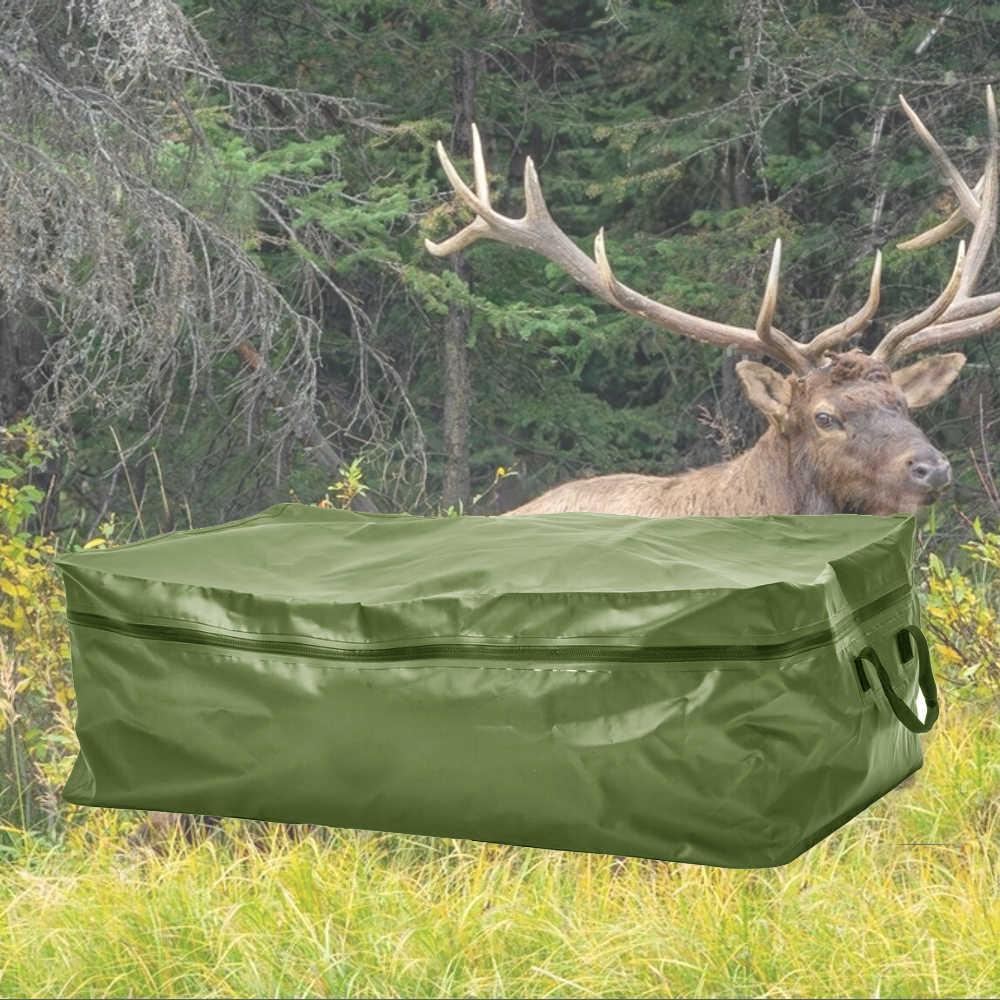
What exactly elevates a standard duffel into a specialized transport bag? It boils down to specialized engineering for unpredictable environments. A true transport bag is designed to handle shifting, awkward, or heavy cargo. They typically feature load capacities ranging from 50 lbs to over 250 lbs, utilizing reinforced suspension systems that distribute weight evenly across the user’s core rather than just the shoulders.
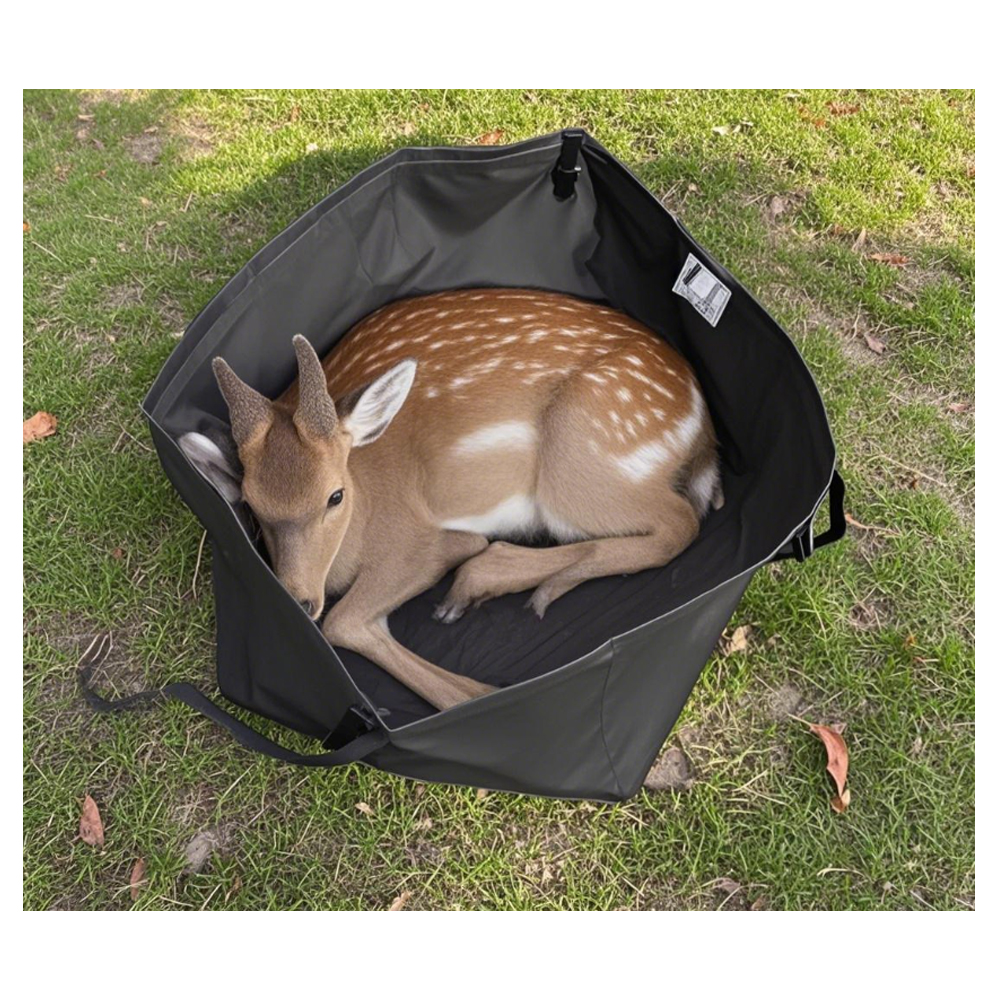
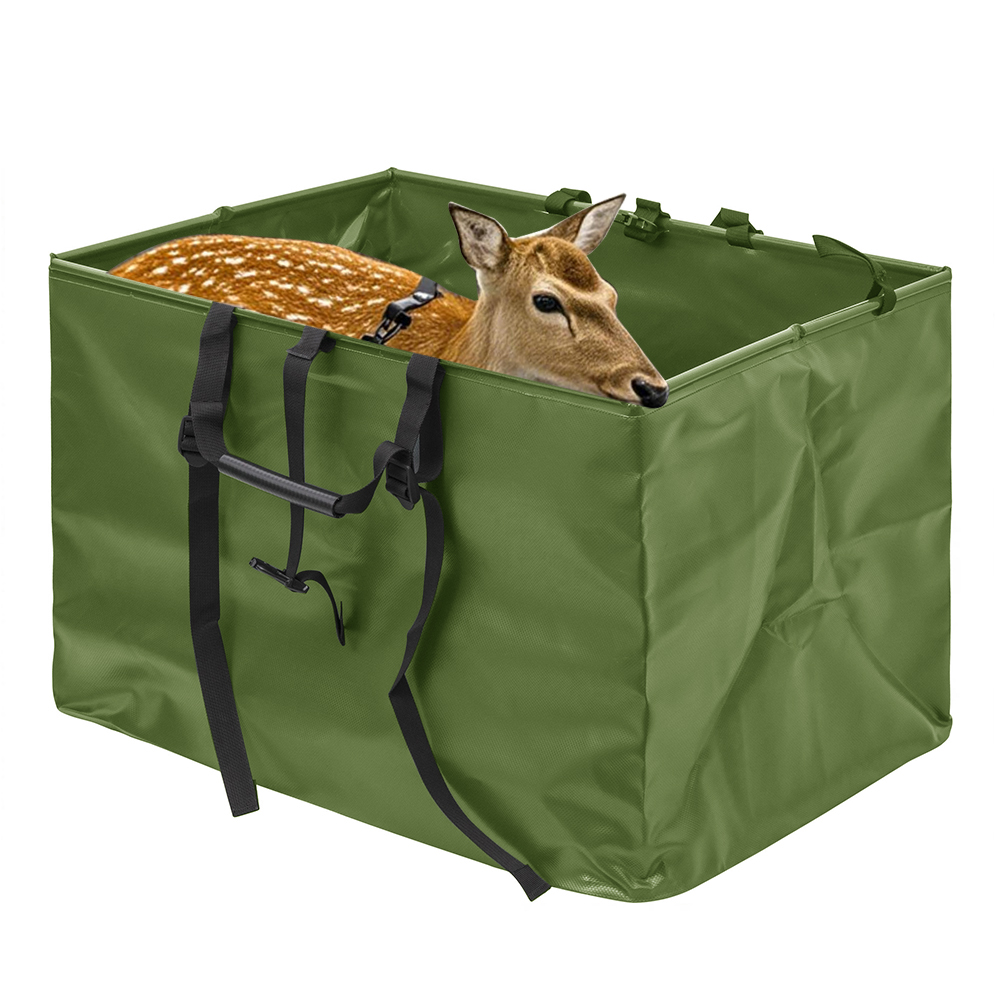
These bags are categorized differently depending on the industry, and it is important to distinguish between them. For instance, a commercial hunting Deer Folding Game Carrier is highly specialized for breathability and hygiene compliance when handling meat. Conversely, a scientific sample bag prioritizes puncture resistance and modular internal framing, while an expedition duffel focuses on bulk weatherproofing. Regardless of the specific niche, they all share a common DNA: they are built to survive conditions that would shred consumer-grade luggage in a matter of hours.
How Bag Choice Affects Speed, Safety, and Loss
The ripple effects of bag choice hit every aspect of field operations. Using improperly fitted or poorly ventilated bags can lead to significant losses of perishable cargo—whether that means meat spoilage due to lack of airflow or delicate biological samples getting crushed because the bag lacked internal structure.
Speed and safety are also intrinsically linked to the carry system. When a bag has a proper internal frame and load lifters (adjustable straps connecting the top of the shoulder straps to the pack frame to pull weight forward), crews can often cover rough terrain more efficiently without overexertion. Conversely, a bag that sags or swings shifts the user’s center of gravity. On a steep, scree-covered slope, that shifting weight isn’t just an annoyance; it is a critical safety hazard that increases the risk of rolled ankles or catastrophic falls.
Key Specifications to Compare
When looking at a manufacturer’s spec sheet, it is easy to get lost in marketing fluff. Every brand claims their product is ‘military-grade’ or ‘indestructible.’ But when making purchasing decisions for a team, buyers need to look past buzzwords and understand the actual materials and construction techniques. Let’s break down the tangible specifications that matter when hauling gear miles away from civilization.
Materials, Stitching, Closures, and Waterproofing
The foundation of any good field bag is the fabric. High-abrasion environments generally require materials like 500D or 1000D Cordura nylon, while heavy-duty PVC tarpaulin (usually around 500 GSM or higher) is ideal if waterproofing and easy decontamination are top priorities. Keep in mind that these benchmarks are general rules of thumb. The ideal materials vary based on the specific climate, load type, and construction standards.
Great fabric means nothing without solid stitching. Double-stitched seams with bartacking at critical stress points—like where the shoulder straps meet the bag body—are essential. Closures are another common failure point. Look for oversized, self-healing zippers, like a YKK #10 or #8, ideally with a reverse coil design to keep grit and mud out of the teeth. If the bag claims to be waterproof, check the hydrostatic head rating (a measure of how much water pressure a fabric can withstand before leaking); anything under a 4,000mm rating is generally just water-resistant. For true submersible waterproofing, bags need welded seams and roll-top closures, not just a DWR (Durable Water Repellent, a chemical coating that causes water to bead up) treatment.
Size, Load Rating, Compartments, and Carry System
Size and load rating must be tailored to the physical capabilities of the crew and the density of the cargo. A bag physically large enough to hold 150 liters of gear is useless if filling it makes it weigh 200 lbs. A common sweet spot for individual carries is 60 to 90 liters, with a certified dynamic load rating of 80 to 120 lbs. However, these are only rules of thumb; actual safe loads depend heavily on crew fitness, terrain difficulty, and local occupational safety rules.
The carry system is where a bag proves its worth. A heavily loaded bag must have a padded, articulated waist belt designed to take the majority of the weight, transferring it directly to the hips and legs. If the bag only relies on shoulder straps for heavy hauling, it will cause rapid fatigue. Additionally, internal compartments or robust external compression straps are non-negotiable; they keep the load compressed against the spine, preventing a dangerous pendulum effect when navigating uneven terrain.
Comparison Criteria for Shortlisting Options
When shortlisting options for a new fleet of bags, putting everything into a side-by-side matrix strips away the branding and highlights raw utility. Evaluate the core material, the stated load capacity, the empty weight of the bag, and the primary environment it was built to tackle.
Here is a simplified version of the comparison criteria used when evaluating different tiers of transport bags:
| Bag Category | Primary Material | Empty Weight | Max Load Rating | Best Field Application |
|---|---|---|---|---|
| Ultralight Nylon | 330D Ripstop | 1.5 – 2.5 lbs | 60 lbs | Rapid scouting, low-abrasion environments |
| Heavy-Duty Cordura | 1000D Nylon | 4.0 – 6.5 lbs | 120+ lbs | Dense brush, jagged rock, mixed-use hauling |
| PVC Tarpaulin | 500+ GSM PVC | 5.0 – 7.0 lbs | 100 lbs | Wet environments, bio-hazard/game transport |
| External Frame Hybrid | Mixed (Frame + Bag) | 6.0 – 9.0 lbs | 150+ lbs | Extreme heavy hauling, rigid cargo |
Match the Bag to Field Conditions
There is no such thing as a one-size-fits-all solution in logistics. The gear has to match the ground. A highly breathable mesh bag that works perfectly in the arid high desert can be a liability in a dense, dripping rainforest. Understanding the specific environmental challenges a team will face is the most critical step in narrowing down options.
Best Options for Wet or Harsh Environments
If operations take place in environments with high humidity, constant rain, or river crossings, moisture management becomes the primary battle. In these scenarios, fully welded PVC or TPU-coated bags with roll-top closures are highly effective. This system allows the outside to be caked in mud and soaked in water while the interior remains dry.
However, true waterproof bags trap moisture just as well as they keep it out. If transporting damp gear, wet biological samples, or fresh game, sealing them in a waterproof tube can cause rapid bacterial growth and spoilage. In wet environments where the cargo must breathe, a hybrid approach works best: a highly breathable internal mesh Wild Transport Bag protected by a lightweight, removable waterproof rain cover.
Soft Bags vs. Rigid Cases
The debate between soft bags and rigid cases usually comes down to weight versus absolute crush protection. Hard cases (like Pelican or Nanuk) offer unparalleled protection for delicate electronics, but they come with a massive weight penalty. A large hard case can easily weigh 15 to 25 lbs entirely empty, eating up a massive portion of a crew member’s carrying capacity.
Soft bags typically weigh between 2 and 7 lbs. For teams hiking long distances into a site, soft bags are usually the better choice. To protect sensitive items within a soft bag, modular, semi-rigid padded inserts offer flexibility. This allows the main bag to be collapsed when empty—saving space in vehicles and helicopters—while still providing localized protection where needed. For lighter, vehicle-based logistics or non-remote applications where gear won’t be carried long distances on foot, consumer-grade duffels or standard hard cases are often perfectly adequate and more cost-effective.
Packing Workflow to Prevent Damage and Miscounts
The best bag in the world won’t compensate for a chaotic packing workflow. Throwing heavy tools on top of fragile samples or losing track of critical inventory because everything is dumped into one massive main compartment leads to damaged goods and wasted time. Establishing a strict packing workflow that relies on color-coded internal organization is highly recommended.
Using smaller, color-coded stuff sacks or packing cubes inside the main transport bag can noticeably drop average packing and unpacking times. More importantly, it drastically reduces miscounts. When the crew knows that all medical gear is in the red pouch and all comms gear is in the blue pouch, they don’t have to empty an entire 90-liter bag onto the muddy ground just to find a spare radio battery.
Sourcing, Compliance, and Quality Checks
Buying one or two bags for a personal trip is easy. Equipping a 50-person field crew requires a much harder look at the supply chain, compliance standards, and the long-term financial impact of the choice. When operating at scale, a minor defect in a batch of bags or a failure to meet hygiene compliance can derail an entire season’s worth of work. Both the gear and the supplier must be vetted with equal rigor.
Supplier Claims and Test Reports to Verify
Supplier marketing claims should not be taken at face value. If a vendor states a bag can hold 150 lbs, request the test reports. In commercial logistics, buyers look for standardized testing metrics, such as ISO or ASTM standards for tear and tensile strength. For a heavy-duty field bag, a minimum tear strength of at least 35 lbs—often tested via the Elmendorf tear test, which measures the force required to propagate an existing tear in the fabric—and a high abrasion resistance cycle count are good benchmarks.
Don’t be afraid to ask suppliers for their quality control documentation. Are they inspecting 10% of every batch, or 100%? If they cannot provide basic reports on seam strength or zipper cycle testing, it may be best to look elsewhere. It is simply not worth the risk of fielding 100 bags only to have the straps tear off half of them during the first week of a remote deployment.
Cleaning, Traceability, and Compliance Requirements
If a team is moving harvested game, biological samples, or working in environmentally sensitive areas, decontamination is a massive factor. These bags cannot simply be thrown in a standard washing machine. The materials must be able to withstand aggressive cleaning protocols, which often include scrubbing with a 10% bleach solution or commercial-grade quaternary ammonium disinfectants.
This is where specialized gear like a Hunting Folding Game Bag shines, as they are often designed to be easily inverted and hosed down without trapping organic matter in the seams. Furthermore, for commercial operations, traceability is becoming a requirement. Look for bags that feature clear ID windows or customizable velcro real estate so every bag can be tagged with RFID chips or barcodes, ensuring a clear chain of custody for whatever is inside.
Cost Drivers Beyond Unit Price
Procurement teams often get fixated on the unit price, but it is wiser to look at the Total Cost of Ownership (TCO). A $50 bag that blows out after one season actually costs significantly more in replacement costs, lost time, and damaged goods than a $150 bag that lasts for three years of hard use.
To illustrate this, a simple TCO model can be helpful. While not an authoritative financial document, it relies on assumptions of high-intensity daily use and basic field maintenance to demonstrate how investing in higher-quality textiles and hardware pays dividends over a multi-year deployment cycle.
| Cost Factor | Budget Bag ($50) | Premium Bag ($150) |
|---|---|---|
| Initial Unit Cost | $50 | $150 |
| Expected Lifespan | 6-8 months | 36-48 months |
| Replacements (3 Yrs) | 4 to 5 times | 0 (Maybe 1 repair) |
| Estimated 3-Year TCO | $250 – $300 | $150 – $175 |
| Intangible Risks | High (Gear loss, injury) | Low (Reliable performance) |
Make the Final Buying Decision
After looking at the specs, evaluating the environmental conditions, and analyzing the supply chain and cost drivers, it is time to finalize a purchase. Even with all this data, making the final decision can feel daunting, especially when a significant chunk of an operating budget is on the line. Here is a proven methodology to finalize the buy and roll the gear out to the team.
Run a Practical Field Trial
A good rule of thumb is to never buy a fleet of bags without testing one in the field first. Lab tests and spec sheets are helpful, but they don’t reveal how a bag feels when it is soaked in freezing rain and the user is wearing thick gloves. Purchasing one or two prototypes from shortlisted vendors and running a 14-day practical field trial is highly recommended.
During this trial, the gear should be pushed to its limits. Load it with dense equipment, expose it to mud and sun, and subject it to rough transit. It is also important to have multiple crew members of different heights and builds test the harness system. If a bag causes severe hot spots or chafing on a shorter crew member, it fails the trial, regardless of the price.
Build a Decision Matrix
Once the field trials are done, taking all the subjective feedback and objective data and plugging it into a decision matrix helps remove emotion from the purchase. Assign weights to different categories based on the specific needs of the upcoming project.
For a typical rugged deployment, a matrix might look something like this: Durability and load capacity make up 40% of the final score; Ergonomics and crew comfort make up 30%; Total Cost of Ownership accounts for 20%; and empty weight makes up the final 10%. By scoring each bag out of 10 in these categories and applying the weights, the clear winner usually presents itself mathematically.
Choose When to Standardize on One Bag
The final question is usually whether to buy one type of bag for everyone or mix and match. Aiming for about 80% standardization across crews is generally a solid strategy. Having one primary transport bag simplifies logistics, makes packing protocols uniform, and ensures that if a buckle breaks, standardized spare parts are on hand.
However, reserving the remaining 20% of the budget for specialized carry systems is often necessary. For instance, the core team might use standard 90L heavy-duty waterproof haulers, but the advance scouting element might be issued ultralight, highly breathable Wild Transport Bag variants to prioritize speed. By standardizing the bulk of the gear but remaining flexible for specialized roles, a team is given the best possible foundation for success in the field.
Key Takeaways
- Select a purpose-built field hauler rated for the expected payload, typically from 50 lbs to over 250 lbs, instead of relying on a consumer duffel.
- Match the bag type to the cargo: game carriers need airflow and hygiene, sample bags need puncture resistance and structure, and expedition duffels need weather protection.
- Prioritize internal frames, reinforced suspension, and load lifters to keep heavy cargo close to the body and improve balance on rough terrain.
- Inspect construction details such as seams, zippers, handles, abrasion resistance, and ventilation rather than trusting vague claims like “military-grade.”
- Field-test the bag with realistic weight before deployment to identify shoulder strain, cargo swing, sagging, or access problems while there is still time to adjust.
Frequently Asked Questions
What makes a Wild Transport Bag different from a standard duffel?
It is built for rugged, off-grid hauling with reinforced construction, stronger carry systems, and better control of shifting cargo. Standard duffels often fail under heavy, awkward, or wet field loads.
How much weight should a field transport bag carry?
Many purpose-built bags are rated from about 50 lbs to over 250 lbs. Choose a capacity based on the heaviest realistic load, then verify the straps, seams, handles, and frame match that rating.
When is a hunting deer folding game carrier the right choice?
Use a folding game carrier when moving harvested game and prioritizing airflow, hygiene, and manageable packing. It is more specialized than a general expedition duffel or scientific sample bag.
Why do internal frames and load lifters matter?
They distribute weight across the body and pull the load closer to the user’s center of gravity. This reduces fatigue, bag swing, and fall risk on steep or uneven terrain.
What specifications should buyers compare first?
Start with load rating, fabric durability, reinforced stitching, zipper quality, handle placement, ventilation, weather resistance, and whether the bag has an internal frame or modular structure.
Post time: Jul-16-2026