Introduction
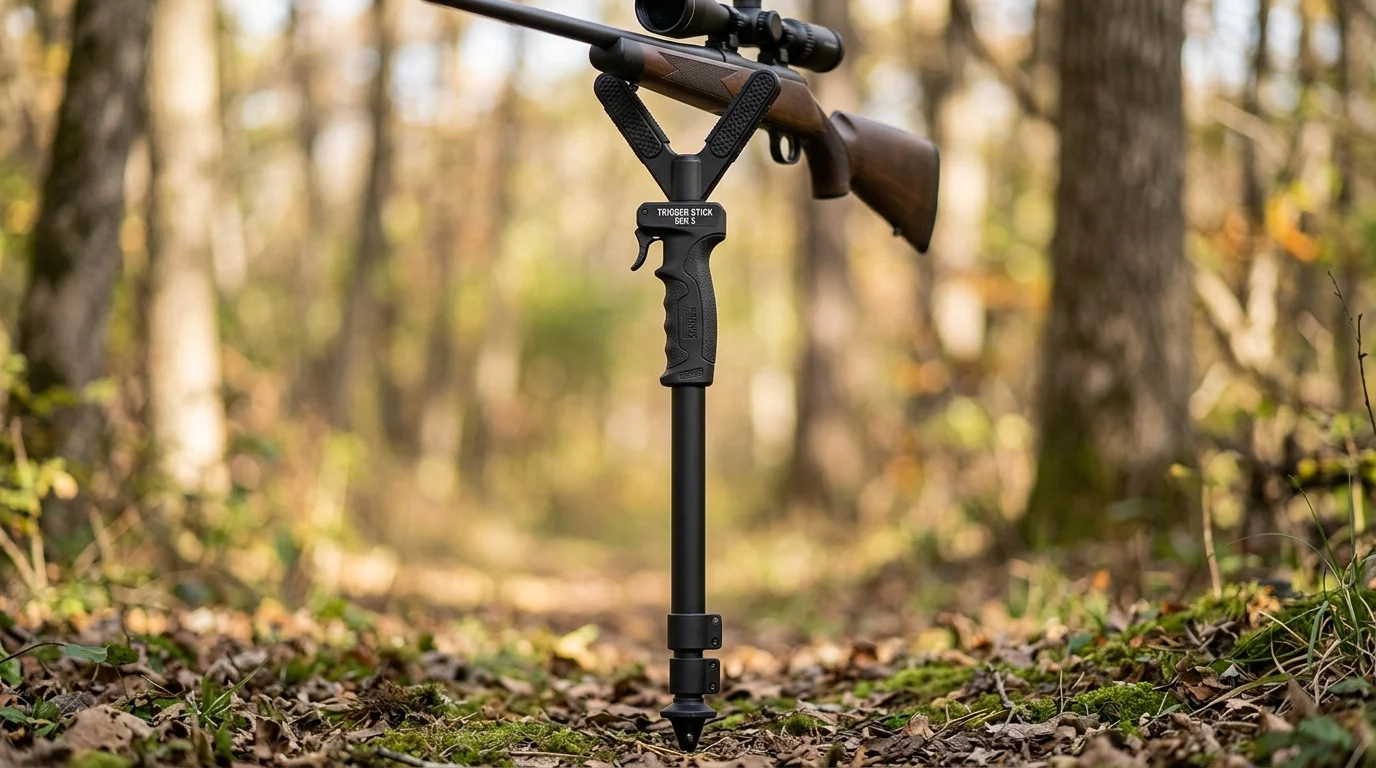
Choosing the right hunting shooting automatic trigger quick monopod sticks starts with understanding how they perform in real field conditions. These supports are designed for fast one-handed height adjustment, steady aim on uneven ground, and reliable use during long carries and sudden target changes. The best option depends on factors such as deployment speed, weight, grip comfort, load stability, and overall durability. This article explains the key buying requirements so you can compare models with more confidence and select a monopod that matches your hunting style, shooting environment, and performance expectations.
How to Define Buying Requirements for Hunting Shooting Automatic Trigger
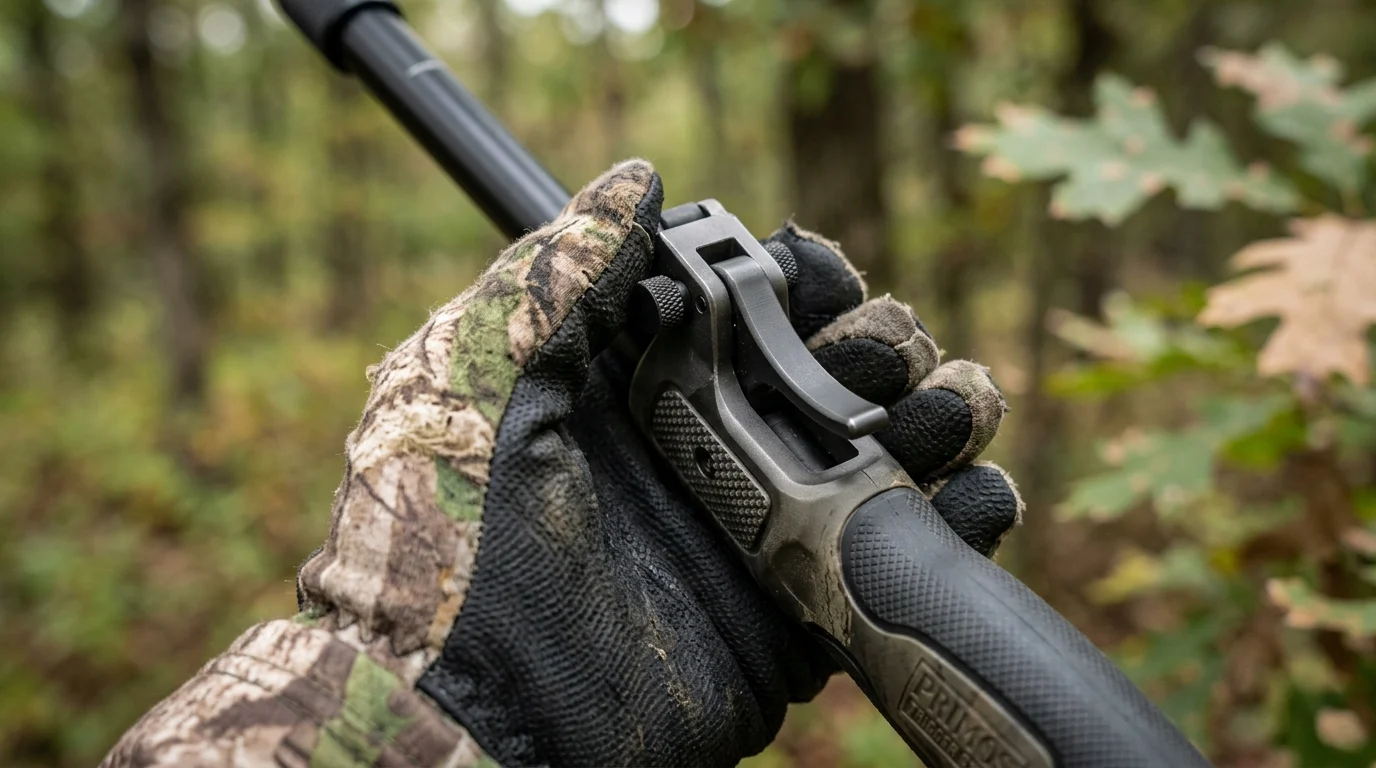
Procuring shooting supports for professional or recreational marksmen requires a rigorous analysis of dynamic field conditions and ergonomic engineering. Among the various stabilization tools available on the market, automatic trigger monopods have emerged as a dominant solution due to their single-handed operation and rapid deployment capabilities. Unlike traditional twist-lock or flip-lever supports, an automatic trigger system allows the user to adjust the height of the rest instantly by squeezing a grip-mounted trigger, enabling continuous target tracking across uneven terrain.
For procurement officers, distributors, and retail buyers, defining the exact buying requirements for these specialized devices is the critical first step in the sourcing process. Selecting the optimal product requires a detailed assessment of the end-user's operational environment, the specific shooting disciplines the monopod will support, and the inherent engineering trade-offs between stability, deployment speed, and overall carrying weight. Establishing strict baseline metrics early in the procurement cycle prevents costly supply chain misalignments and ensures the final product meets the demanding expectations of modern hunters and tactical operators.
Key performance requirements
The core value of an automatic trigger monopod lies in its mechanical reliability and structural integrity under load. Buyers must establish strict performance thresholds to ensure the product functions flawlessly in the field. A primary metric is the axial load capacity; a high-quality monopod should comfortably support an axial load of 15 to 25 pounds without experiencing clutch slippage or shaft collapse. This ensures the stick can bear the weight of heavy precision rifles, optics, and the downward pressure exerted by the shooter during stabilization.
Additionally, the trigger mechanism itself must be evaluated for pull weight and acoustic signature. An optimal trigger pull weight ranges between 2.5 and 4.0 pounds—light enough for rapid, single-handed actuation but heavy enough to prevent accidental deployment when brushing against foliage or gear. The acoustic signature is equally vital for hunters. The internal friction locks and sliding leg segments should generate less than 30 decibels (dB) of noise during deployment to avoid startling game. Products that exceed this noise threshold due to poor machining tolerances or lack of internal dampening materials should be disqualified during the initial specification review.
User environments and shooting disciplines
The intended operational environment dictates many of the necessary design specifications. Spot-and-stalk hunting, for instance, requires extreme adaptability. In this discipline, a shooter may transition from a standing position to a kneeling position in seconds. Consequently, the monopod must offer a rapid dynamic height adjustment range, typically traversing from a compressed length of 33 inches to a fully extended height of 65 inches in under one second.
Environmental extremes also play a significant role in defining buying requirements. Monopods utilized in late-season alpine hunts or arid desert environments must operate smoothly across a wide temperature gradient. Procurement specifications should mandate operational functionality from -20°C to +50°C (-4°F to 122°F). At these extremes, inferior internal lubricants can freeze, or low-grade polymer trigger housings can become brittle and fracture. Specifying cold-weather tested polymers, such as glass-filled nylon for the trigger housing, and synthetic, temperature-stable lubricants for the internal shaft ensures consistent performance regardless of the climate.
Balancing stability, speed, and weight
A successful procurement strategy must carefully balance the competing factors of stability, deployment speed, and overall weight. End-users demand a platform that is light enough to carry over long distances without inducing fatigue, yet robust enough to mitigate reticle movement. The industry standard weight for a premium single-leg automatic trigger stick falls between 1.5 and 2.2 pounds. Pushing the weight below 1.5 pounds often compromises the wall thickness of the leg segments, leading to excessive flex and a reduction in practical accuracy.
To achieve this balance, buyers must evaluate the internal geometry of the locking mechanism. Friction-based cam locks provide the fastest deployment speed, allowing the leg to drop instantly via gravity when the trigger is depressed. However, if the surface area of the internal cam is insufficient, stability under load is compromised. Buyers should specify models that utilize oversized internal locking collars, which distribute the clamping force over a larger surface area of the shaft. This engineering approach maintains the sub-second deployment speed inherent to the automatic trigger design while significantly enhancing the rigidity and load-bearing capacity of the monopod.
What Technical Specifications Matter Most
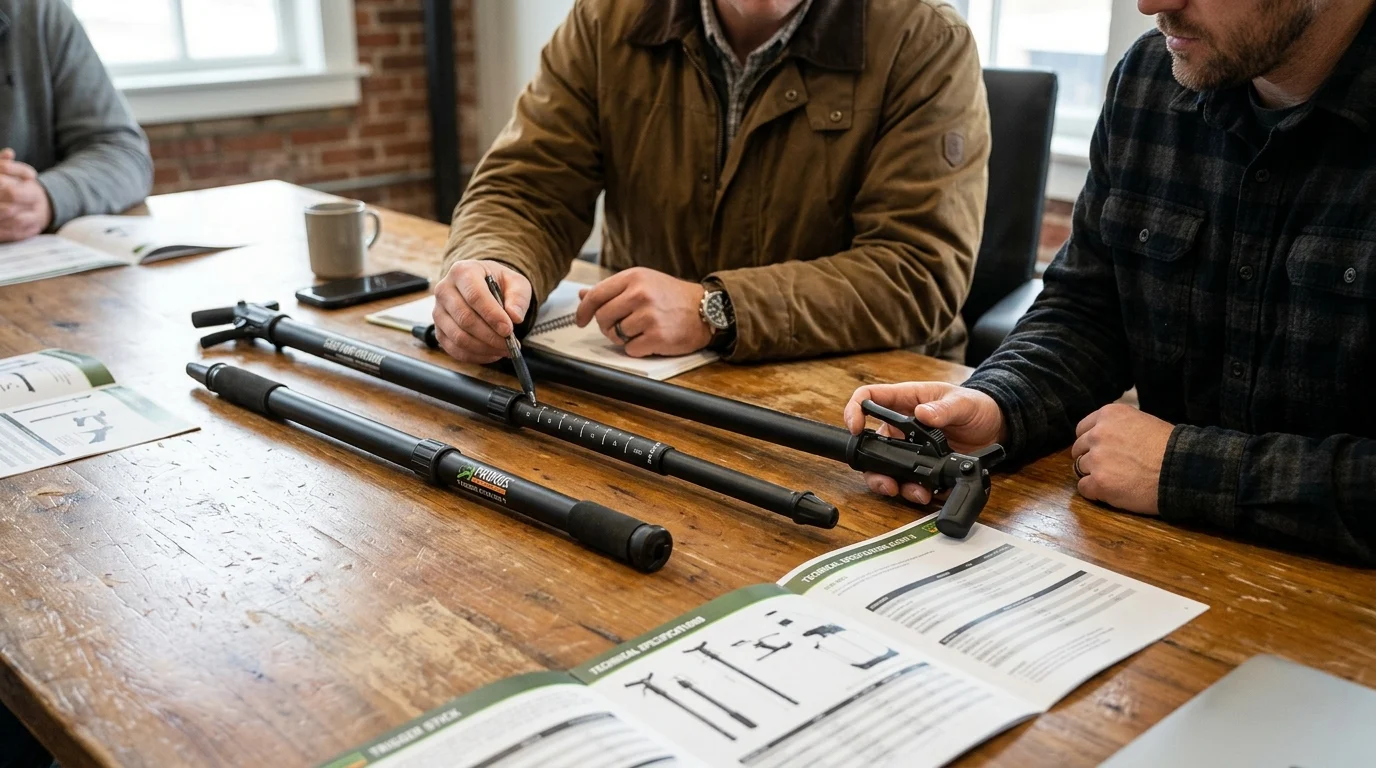
Once the broad operational requirements are defined, the procurement focus must shift to the granular technical specifications that differentiate entry-level products from professional-grade equipment. The engineering mechanics, material science, and specific component designs are what ultimately determine the longevity, reliability, and market positioning of a hunting shooting Automatic trigger quick MONOPOD sticks system.
Buyers must scrutinize the bill of materials (BOM), the mechanical logic of the trigger and locking systems, and the ergonomic interfaces. A thorough understanding of these technical specifications allows buyers to negotiate effectively with manufacturers, verify quality control documents, and ensure that the marketed specifications align with the actual physical capabilities of the delivered goods.
Materials, locks, and trigger mechanisms
The selection of materials directly impacts the strength-to-weight ratio and the manufacturing cost. For the main leg segments, the two dominant materials are aerospace-grade aluminum and carbon fiber. High-quality aluminum models should specify 7075-T6 aluminum alloy, which boasts a yield strength of approximately 503 MPa, offering superior dent resistance and structural rigidity compared to cheaper 6061 alloys. For premium tiers, 3K carbon fiber is preferred due to its exceptional stiffness and vibration-dampening properties, reducing the overall weight by 20% to 30% compared to aluminum equivalents.
The trigger mechanism and internal locks are the heart of the device. The trigger housing should be injection-molded from a durable composite, such as nylon reinforced with 30% glass fiber (PA66+30%GF), to ensure impact resistance. Internally, the locking mechanism relies on a friction yoke or cam system. Buyers must ensure that the internal contact points are constructed from high-wear materials, such as hardened steel or self-lubricating Delrin, to prevent the locking clutch from wearing out after repeated actuations. A specification of a minimum 10,000-cycle lifespan for the trigger lock should be established.
Height range, load rating, and foot design
The dimensional specifications and interface points are equally critical. A standard operational height range of 33 to 65 inches covers the vast majority of kneeling to standing shooting scenarios. However, the outer diameter (OD) of the leg segments must be substantial enough to prevent flexing at full extension; a top tube OD of at least 22mm to 25mm is highly recommended for single-leg supports.
The top interface, typically a V-yoke, must feature a 360-degree fluid rotation to allow the shooter to track moving targets without twisting the main shaft. The V-yoke should be lined with over-molded thermoplastic elastomer (TPE) fins to grip the rifle stock securely without marring the finish. At the base, the foot design dictates terrain adaptability. A premium specification includes a ball-joint articulated rubber foot that allows the monopod shaft to pivot up to 45 degrees in any direction while maintaining a flat, secure contact patch with the ground. Some models also offer a retractable metal spike for use on ice or hard-packed dirt.
Core points for product comparison
To facilitate accurate vendor evaluation, buyers should construct a standardized comparison matrix. This allows for an objective analysis of competing products based on quantifiable metrics rather than marketing claims. The table below illustrates the core points of comparison between the two primary material categories of automatic trigger monopods.
| Specification Metric | 7075-T6 Aluminum Monopod | 3K Carbon Fiber Monopod |
|---|---|---|
| Average Unit Weight | 1.8 – 2.2 lbs | 1.2 – 1.5 lbs |
| Material Yield Strength | 503 MPa | 600+ MPa (Tensile) |
| Acoustic Signature (Deployment) | ~35 dB | ~28 dB |
| Thermal Conductivity | High (Cold to touch) | Low (Comfortable in cold) |
| Typical FOB Cost Band | $25.00 – $35.00 | $45.00 – $65.00 |
By utilizing these core metrics, procurement teams can quickly filter out suppliers whose products do not meet the baseline technical requirements for their specific target demographic, ensuring that only viable candidates proceed to the physical sampling phase.
How Product Variants and Supply Options Differ
The global supply chain for shooting accessories offers a wide spectrum of product variants and sourcing models. For buyers, understanding how these variants align with different retail tiers and professional applications is essential for optimizing inventory and maximizing profit margins. The sourcing strategy will vary significantly depending on whether the target market consists of casual weekend hunters or elite tactical operators.
Furthermore, navigating the complexities of international manufacturing requires a firm grasp of lead times, Minimum Order Quantities (MOQs), and the logistical nuances of packaging and spare parts management. A strategic approach to these supply options ensures consistent availability and protects the brand's reputation for quality and customer support.
Variants for retail and professional use
Product variants are generally stratified into retail (entry-level/mid-tier) and professional categories. Retail variants prioritize cost-efficiency and broad appeal. These models typically utilize 6061 aluminum shafts, basic ABS plastic trigger housings, and fixed V-yokes. They are designed for casual users who may deploy the stick only a few times a season. The focus here is on achieving an attractive price point, often targeting a final retail price between $60 and $90.
Conversely, professional variants are engineered for rigorous, daily use in harsh environments. These units feature 3K carbon fiber construction, magnesium alloy yokes, and modular attachment systems. Instead of a fixed V-yoke, professional models often feature a quick-detach (QD) mechanism compatible with Arca-Swiss or Picatinny rail adapters, allowing direct, hard-mounting of precision rifles or heavy spotting scopes. These premium variants command higher margins, with retail prices often exceeding $150, but require stricter quality assurance protocols during manufacturing.
Lead times, MOQs, and sourcing factors
When sourcing these devices, buyers must factor in the standard operational metrics of overseas manufacturing. Minimum Order Quantities (MOQs) for standard, off-the-shelf automatic trigger monopods typically range from 500 to 1,000 units per SKU. However, if a buyer requires custom anodizing colors, proprietary camouflage water-transfer printing, or customized trigger grip molds, the MOQ can escalate to 2,000 units or more.
Lead times are another critical sourcing factor. Standard production runs usually require 45 to 60 days from the receipt of the deposit. If custom tooling is required for a proprietary grip design, buyers should anticipate an additional 30 to 45 days for mold creation and sample approval, alongside tooling costs ranging from $3,000 to $5,000 depending on the complexity of the injection mold. Factoring these timelines into the procurement calendar is vital to ensure inventory arrives ahead of peak hunting seasons.
Packaging, labeling, and spare parts
Packaging and labeling are not merely logistical considerations; they are integral to the product's retail success and transit safety. Entry-level variants are often packaged in clear PET clamshells to maximize visual appeal on retail pegboards, adding approximately $0.80 to $1.20 to the unit cost. Professional models are better suited to high-density corrugated boxes with custom-cut EVA foam inserts, which protect the carbon fiber and precision mechanisms during international shipping, adding $1.50 to $2.50 per unit.
Additionally, a robust supply strategy must include a provision for spare parts. The highest wear components on an automatic trigger monopod are the rubber articulating feet and the TPE-lined V-yokes. Procurement contracts should stipulate that manufacturers provide a 3% to 5% overage of these specific spare parts with every bulk order. This proactive approach significantly reduces the cost and logistical burden of honoring consumer warranties and handling aftermarket service requests.
What Compliance and Safety Factors Buyers Should Review
Procuring accessories intended for use with firearms introduces a layer of regulatory and safety compliance that must be rigorously managed. Buyers cannot rely solely on the manufacturer's assurances; they must independently verify that the products meet all relevant legal frameworks, transportation guidelines, and regional hunting regulations.
Failure to address compliance and safety factors can result in shipments being detained by customs, product liability claims, or the alienation of end-users whose local regulations prohibit the use of non-compliant gear. A proactive compliance strategy is a mandatory component of the procurement lifecycle.
Legal and transport restrictions
While monopods are generally not classified as firearms or restricted tactical items, they must be correctly categorized for international trade. Buyers should ensure that shipping documentation utilizes the correct Harmonized System (HS) codes, typically falling under HS Code 9013.90 (parts and accessories for telescopic sights and other optical devices) or 3926.90 for certain plastic-dominant accessories, to prevent customs delays and ensure accurate tariff assessment.
Transportation restrictions also affect the end-user and should be communicated clearly in product manuals. For example, under Transportation Security Administration (TSA) regulations in the United States, and similar aviation authorities globally, shooting sticks and monopods are strictly prohibited in carry-on baggage due to their potential use as bludgeoning instruments. They must be transported in checked luggage. Understanding these rules allows buyers to design packaging that easily fits within standard hard-sided rifle cases for travel.
Safety inspection and documentation
Safety and durability inspections must be formalized in the procurement contract. Buyers should require manufacturers to hold ISO 9001 certification to guarantee consistent quality management processes. Before any shipment leaves the factory, a third-party inspection should verify mechanical safety through standardized testing protocols.
Key tests include a 1.5-meter drop test onto concrete to ensure the trigger housing does not shatter and the locking mechanism does not disengage upon impact. Furthermore, since these products are used outdoors, corrosion resistance is critical. Buyers should demand documentation of a 48-hour to 72-hour salt spray test (following ASTM B117 standards) on all internal metal springs, screws, and the trigger linkage to certify that the device will not seize or rust after exposure to rain or high humidity.
Regional hunting compatibility
Regional hunting laws dictate specific design parameters that buyers must accommodate depending on their target market. For instance, many European hunting jurisdictions have strict regulations regarding the use of synthetic materials and prioritize traditional aesthetics, making matte black or muted olive drab finishes more commercially viable than aggressive, high-contrast tactical camouflage patterns.
In North America, certain states and provinces have regulations concerning equipment used during specific seasons (e.g., muzzleloader or archery seasons). While monopods are generally permitted, any device that physically attaches to the firearm (like a QD Arca-Swiss mount) may be subject to different rules than a simple V-yoke rest. Furthermore, buyers should ensure that the product's finish meets sub-10% light reflectivity standards, as highly reflective aluminum shafts can spook game, rendering the product useless for spot-and-stalk hunting.
How to Make the Final Buying Decision
The final phase of the procurement process involves synthesizing the technical specifications, supply chain logistics, and compliance data into a cohesive buying decision. This requires moving beyond theoretical specifications and engaging in rigorous physical testing and financial analysis.
Making the final decision is not merely about finding the lowest FOB price; it is about identifying the supplier who offers the best balance of structural reliability, scalable manufacturing capacity, and total cost of ownership. A structured, objective evaluation process mitigates risk and ensures long-term commercial success.
Step-by-step evaluation process
The evaluation process should follow a strict, phased approach. Initially, buyers should issue a Request for Quotation (RFQ) to multiple vetted suppliers, demanding detailed BOMs and compliance certificates. From the responses, a shortlist of 3 to 5 suppliers should be selected to provide physical samples.
The sample evaluation phase is critical. Buyers should order 5 to 10 units from each supplier and subject them to extreme field testing. This includes loading the monopod with weights exceeding the stated maximum capacity (e.g., 30 lbs) and performing a 1,000-cycle trigger actuation test to check for clutch wear or trigger spring fatigue. Only after a sample passes these physical torture tests should a buyer proceed to a pilot run—typically a minimum order of 100 to 200 units—to verify the manufacturer's ability to maintain quality control at scale before committing to a full container load.
Total cost of ownership
Evaluating the Total Cost of Ownership (TCO) is essential for accurate margin calculation. The base FOB (Free On Board) price represents only a fraction of the final landed cost. Buyers must aggregate freight expenses, customs duties, packaging upgrades, and the statistical cost of defect replacements.
| Cost Component | Entry-Level Tier (per unit) | Professional Tier (per unit) |
|---|---|---|
| Base FOB Price | $22.00 – $28.00 | $45.00 – $60.00 |
| Custom Packaging & Inserts | $0.80 – $1.20 | $1.50 – $2.50 |
| Ocean Freight & Tariffs | $1.80 – $2.50 | $1.80 – $2.50 |
| Spare Parts Provision (5%) | $1.10 – $1.40 | $2.25 – $3.00 |
| Estimated Landed TCO | $25.70 – $33.10 | $50.55 – $68.00 |
By utilizing a TCO model, procurement officers can accurately determine wholesale and retail pricing strategies, ensuring that hidden logistical costs do not erode anticipated profit margins.
Final selection criteria
The final selection should be based on a comprehensive vendor scorecard. A recommended weighting system allocates 40% of the score to product quality and mechanical reliability (based on sample testing), 30% to the landed TCO, 20% to lead times and manufacturing capacity, and 10% to the supplier's communication and post-sales support infrastructure.
Ultimately, the chosen manufacturer must demonstrate not only the technical capability to produce a flawless automatic trigger system but also the flexibility to adapt to future market trends, such as the increasing integration of lightweight carbon composites and modular mounting ecosystems. By adhering to this rigorous, data-driven procurement framework, buyers can confidently secure a product line that delivers exceptional stability and speed to the end-user while driving sustainable revenue growth.
Key Takeaways
- The most important conclusions and rationale for hunting shooting Automatic trigger quick MONOPOD sticks
- Specs, compliance, and risk checks worth validating before you commit
- Practical next steps and caveats readers can apply immediately
Frequently Asked Questions
What load capacity should a hunting automatic trigger monopod support?
Choose one rated for 15 to 25 pounds. That range supports heavier rifles, optics, and shooter pressure without shaft collapse or trigger-lock slippage.
How fast should an automatic trigger monopod adjust in the field?
For spot-and-stalk hunting, look for a model that moves from about 33 inches to 65 inches in under one second for quick standing-to-kneeling transitions.
What trigger pull weight is best for quick monopod sticks?
A practical range is 2.5 to 4.0 pounds. It allows fast one-handed adjustment while reducing accidental activation in brush or when carrying gear.
How quiet should a hunting shooting monopod be during deployment?
Prefer models that stay under 30 dB when extending. Lower deployment noise helps avoid spooking game and usually indicates better machining and internal dampening.
What materials and temperature range should I check before buying?
Look for glass-filled nylon trigger housings, temperature-stable lubricants, and reliable operation from -20°C to +50°C. These features help prevent brittleness, freezing, and field failures.
Post time: May-07-2026